
Iran weighs US proposal to end Gulf conflict amid negative initial response.
Key Takeaways
- Iran's initial response to US 15-point plan was not positive.
- Pakistan ready to host US-Iran talks mediating peace.
- Iran says non-hostile ships can transit Hormuz with coordination.
Diplomatic Initiative
The United States has delivered a 15-point ceasefire proposal to Iran aimed at ending the ongoing Gulf conflict.
“You are responsible for reviewing regularly information posted therein to obtain timely notice of such changes”
Despite Tehran's initial negative response, the proposal signals potential diplomatic breakthrough in the nearly month-long war.
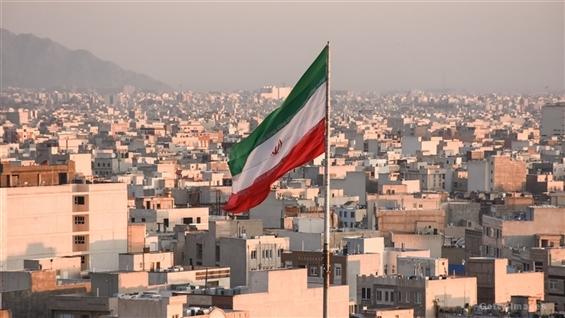
Iran received the proposal through Pakistani intermediaries, marking significant diplomatic effort.
The Trump administration's proposal comes amid escalating military operations and economic fallout.
Both sides continue attacks while simultaneously exploring potential pathways to de-escalation.
Proposal Terms
The US proposal reportedly contains stringent demands including Iran's commitment to never developing nuclear weapons.
It calls for dismantling existing nuclear capabilities at facilities like Natanz and Fordow.
The plan also addresses Iran's ballistic missile program and support for regional allies.
It demands reopening of the strategically vital Strait of Hormuz, which Iran has largely blockaded.
Iranian officials have described the proposal as 'extremely maximalist and unreasonable'.
Tehran maintains it will end the war 'when Iran decides it should end,' not on Washington's timeline.
Pakistan's Mediation
Pakistan has emerged as a key mediator in the diplomatic efforts.
Prime Minister Shehbaz Sharif formally offered to host talks between Washington and Tehran.
Islamabad's unique position stems from longstanding ties with Iran while maintaining relations with the United States.
The Pakistani military and diplomatic leadership have been actively engaged in backchannel communications.
Foreign Minister Ishaq Dar had multiple conversations with his Iranian counterpart Abbas Araqchi.
Pakistan's offer represents significant diplomatic opportunity, though mediators still working to convince Iran.
Iran's Conditions
Iran has outlined its own five conditions for ending the conflict.
These include complete halt of attacks and assassinations by the U.S. and Israel.

Tehran demands recognition of Iran's legitimate rights and payment of reparations for wartime damages.
They also want firm international guarantees against future aggression.
Iran has demanded lifting of all sanctions and closure of US military bases in the region.
These conditions create significant obstacles to reaching agreement, contradicting core US objectives.
Iranian officials emphasize deep mistrust of American diplomacy, citing previous instances where talks were followed by military attacks.
Continuing Conflict
Despite diplomatic overtures, the conflict continues to escalate with military operations on multiple fronts.
The Pentagon is deploying additional troops to the region, including thousands from the 82nd Airborne Division.

Israel maintains its strike operations against Iranian targets while Iran responds with missile and drone attacks.
Iran has conducted strikes on Israel and Gulf Arab countries, including attacks on Kuwait International Airport.
The disconnect between diplomatic discussions and ongoing military actions reflects deep mistrust.
Market reactions have been volatile, with oil prices initially dropping but remaining elevated due to uncertainty.
More on Iran

Pentagon orders 1,000 82nd Airborne troops to West Asia amid Kharg Island seizure talks
13 sources compared

U.S. Prepares to Deploy 1,000 82nd Airborne to West Asia to Seize Airfields
17 sources compared

Pentagon deploys 3,000 82nd Airborne troops to West Asia to backstop Iran war operations
14 sources compared

US, Israel escalate West Asia strikes as US demands Iran roll back nuclear program
12 sources compared