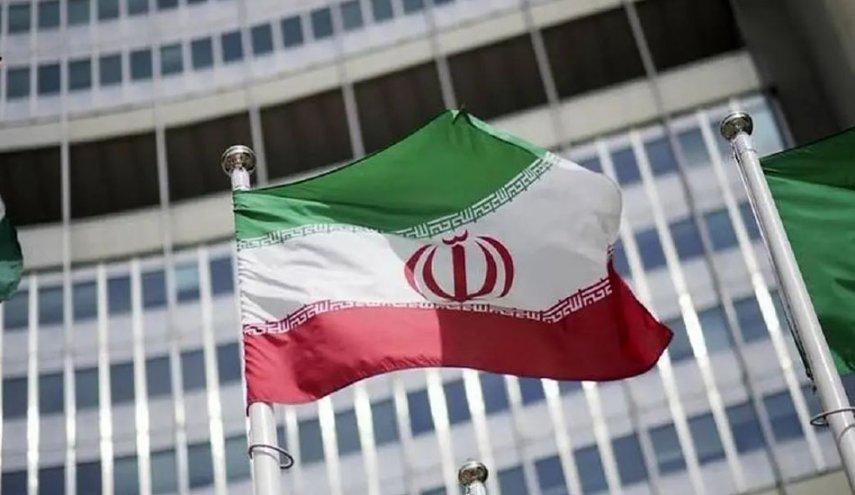
Iranian FM Seyyed Abbas Araghchi Says Strait of Hormuz Remains Open, Demands Navy Coordination
Key Takeaways
- Strait of Hormuz remains open to commercial shipping.
- Vessels must coordinate with Iran's navy to pass through Hormuz.
- Iran's UN mission calls US-led Hormuz resolution support ridiculous and deceitful.
Iran says strait open
Iranian Foreign Minister Seyyed Abbas Araghchi said the Strait of Hormuz “remains open to commercial shipping” while asserting that vessels passing through the waterway must coordinate with Iranian naval forces amid rising tensions in the Gulf region.
Speaking in an interview with Iranian state media ahead of the BRICS Foreign Ministers' Meeting in New Delhi, Araghchi accused the United States of creating instability and imposing what he described as an “illegal blockade” affecting Iranian ports and maritime activity.

Araghchi said Iran has not blocked maritime movement through the Strait of Hormuz and maintained that commercial vessels continue to have access to the crucial global trade route.
He also argued that the present difficulties surrounding maritime movement were a result of American actions and not Iranian restrictions, and expressed hope that the situation would improve if restrictions imposed on Iran were lifted and regional tensions eased.
UN mission rejects pressure
Iran’s Permanent Mission to the United Nations responded to American political pressure over a Strait of Hormuz draft resolution, saying the U.S. effort to portray support as broad international backing is “ridiculous and misleading.”
In its statement, the mission said: “No amount of support obtained through pressure and coercion can justify the illegal international actions Washington is taking against Iran, including the naval blockade.”

The mission added that “Everyone knows that many member states joined the draft resolution under political pressure and coercion, even under threats,” and said the U.S. envoy’s claims of broad-based support were “nothing but a desperate attempt to lend legitimacy to predefined political objectives.”
In a separate account, Jamaran said the U.S. and Bahrain draft resolution on the Strait of Hormuz is a 20-point resolution with nine preambular provisions and eleven operative provisions, all drafted under Chapter VII of the UN Charter.
Blockade claims and counters
JNS.org framed the dispute over the Strait of Hormuz blockade as conflicting assessments, saying the Pentagon claims “it’s delivering the decisive impact we intended,” while other outlets and shipping analytics firms suggest dozens of Iranian ships are crossing unimpeded.
“Pic/AFP Iranian Foreign Minister Seyyed Abbas Araghchi on Thursday said the strategically important Strait of Hormuz remains open to commercial shipping, while asserting that vessels passing through the waterway must coordinate with Iranian naval forces amid rising tensions in the Gulf region”
A May 1 report by the Jewish Institute for National Security of America (JINSA), cited by JNS.org, said “the truth lies in between though far closer to the Pentagon’s claim,” and the update found U.S. forces had redirected 62 vessels that had attempted to breach the blockade as of May 11 and disabled four more.
JNS.org also reported that Yoni Tobin said “none that we tracked going through were oil tankers,” and that the blockade is intended to prevent Iranian shipments of oil to the Far East and China.
In contrast, PressTV quoted Iranian Foreign Minister Abbas Araghchi saying “The Strait of Hormuz is now suffering first and foremost from the US aggression and the blockade that they have imposed on it,” while reiterating that Iran allows all commercial vessels to pass “in coordination with the Iranian naval forces.”
More on Iran

Iran Parliament Drafts Strait of Hormuz Security Plan to Ban Hostile Vessels
12 sources compared

Iran’s Abbas Araqchi Accuses UAE of Direct Military Involvement at BRICS Meeting in New Delhi
16 sources compared
Trump Meets Xi in Beijing as Iran War Kills Eight in Israeli Strikes on Beirut
13 sources compared

Netanyahu’s Office Says He Secretly Met UAE President Sheikh Mohamed bin Zayed Al Nahyan
17 sources compared