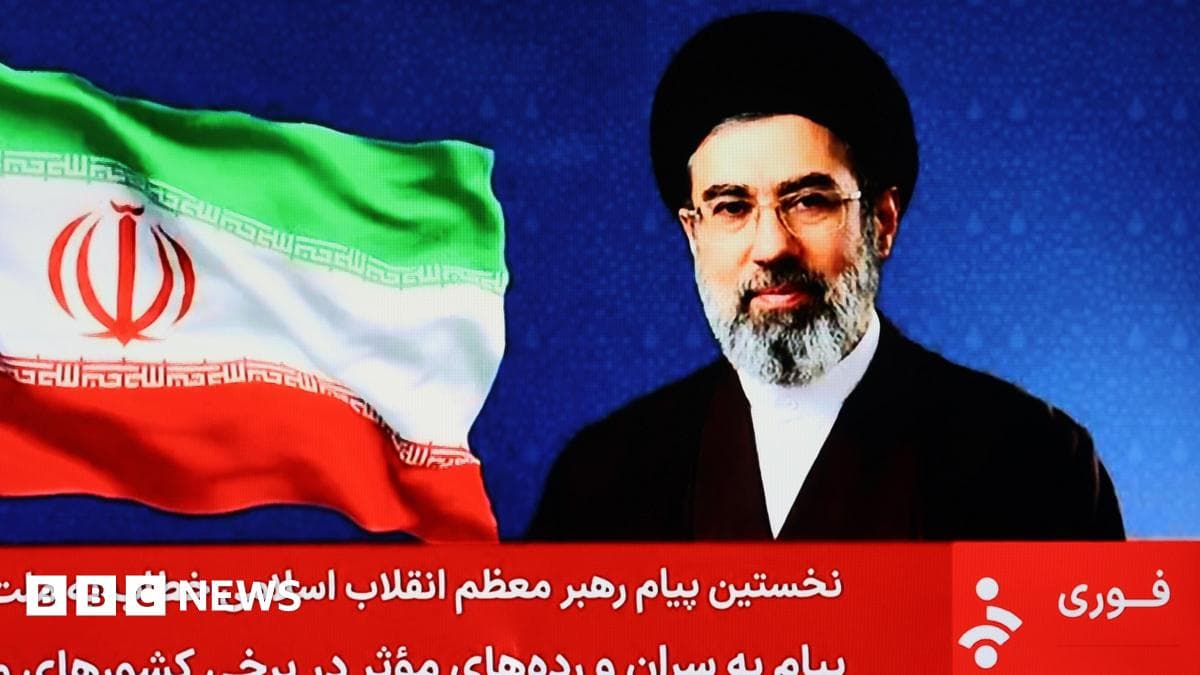
Iranians react to new supreme leader's first address
Key Takeaways
- Mojtaba Khamenei's first official address was read as a statement on state TV
- Many Iranians had not seen him since he was named leader and doubted leadership
- Some citizens said control of the country is in the hands of the IRGC
Khamenei's inaugural address
Iran's new Supreme Leader Mojtaba Khamenei gave his first official address in a statement read out on state TV by a presenter.
“- Published "I don't even think it was his message," an Iranian woman in her 40s told the BBC after her country's new Supreme Leader Mojtaba Khamenei gave his first official address in the form of a statement read out on state TV”
He said Iran would keep the Strait of Hormuz closed to international shipping, "choking the supply of a fifth of the world's oil."
Khamenei vowed his government would "not forgo avenging the blood" of citizens killed since the war with the US and Israel began and said retaliation so far represented only "a limited portion" of what was to come.
He said he had been made aware of his appointment as supreme leader via state TV.
Khamenei has yet to be seen in-person, nor filmed or photographed, since being named as his father's successor.
US Defence Secretary Pete Hegseth said, without providing evidence, that Khamenei had been "wounded and likely disfigured" in one of the first air strikes on Tehran that killed Ayatollah Ali Khamenei along with his wife and other son.
Public scepticism and doubts
Many Iranians who spoke to the BBC after the broadcast expressed scepticism about the message and about who is actually running the country.
An Iranian woman in her 40s told the BBC, "I don't even think it was his message."
Another Tehran resident said, "I feel like control of the country is in the hands of the IRGC [Islamic Revolution Guard Corps]."
One person said, "It was surprising that he did not issue even a voice memo and raised doubts about his condition."
Another added, "To me this message raised more doubts than bringing any clarity about his condition."
"I still haven't seen him to have an opinion about him. To be honest, we don't know much about him," said a man in his 20s.
"I am not even convinced that he [Mojtaba Khamenei] has written the message himself," said a third man.
A woman in her 20s from Rasht observed, "Wow, very heartwarming that he didn't even appear on state TV to issue the message."
Pro-regime rallies and officials
Pro-establishment crowds took to the streets of central Tehran on Friday for rallies to mark Quds Day.
“- Published "I don't even think it was his message," an Iranian woman in her 40s told the BBC after her country's new Supreme Leader Mojtaba Khamenei gave his first official address in the form of a statement read out on state TV”
Many people at the rallies held photos of Mojtaba Khamenei.
Iranian outlets published several photos and videos of officials who appeared among them, including Iranian President Massoud Pezeshkian, Foreign Minister Abbas Araghchi, judiciary chief Gholamhossein Mohseni Ejei, and Secretary of the Supreme National Security Council Ali Larijani.
Khamenei's message called on Iranians to participate in rallies to help "confront the enemy."
Explosions, casualties and context
BBC Persian and BBC Verify have verified footage showing an explosion in the Iranian capital near the crowd.
The Israeli military had earlier issued an evacuation warning for an area close to where rallies were taking place in Tehran.
In one video Mohseni Ejei is seen giving an interview to state TV when a blast happens nearby and the crowd chants "Allahu Akbar."
It remains difficult to contact people inside Iran due to a government-imposed internet blackout, though some connect briefly via satellite uplinks.
The BBC notes many of those contacts tend to be anti-regime and their comments have been anonymised for safety.
Iran's UN ambassador, Amir Saeid Iravani, said thousands of civilian sites had been destroyed by the strikes, including schools and housing.
The US-based Human Rights Activists in Iran (HRANA) group says nearly 1,800 people have been killed in the conflict, around two-thirds of whom were civilians.
Some interviewees told the BBC the message proved the regime would "always stick to its own beliefs" and that "nothing can be changed from within."
Another Karaj resident said, "He's even more worthless than his father."
More on Iran
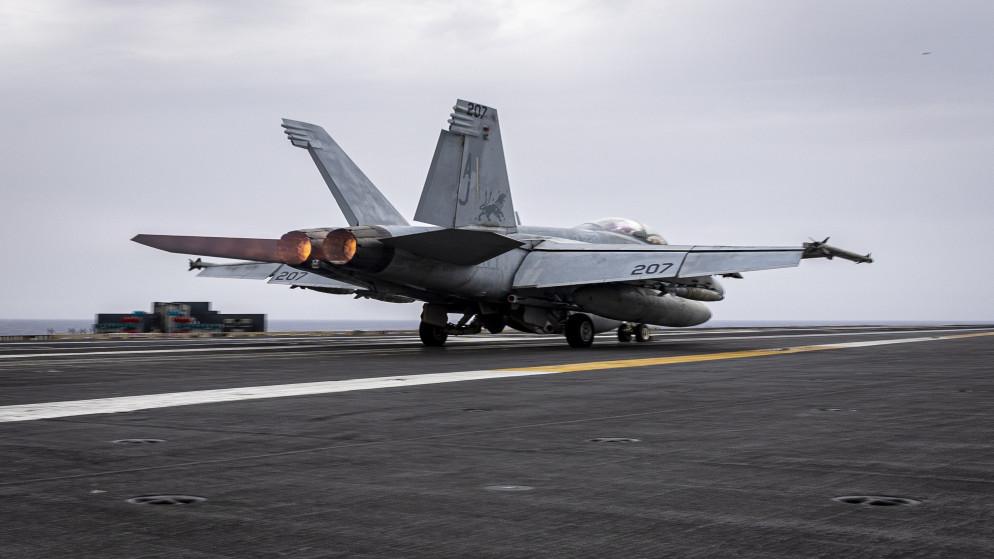
Trump Tells Congress Iran Hostilities Have Terminated Ahead of May 1 War Powers Deadline
20 sources compared

Trump Tells Congress Iran War Has Terminated, Skirting War Powers Deadline
14 sources compared
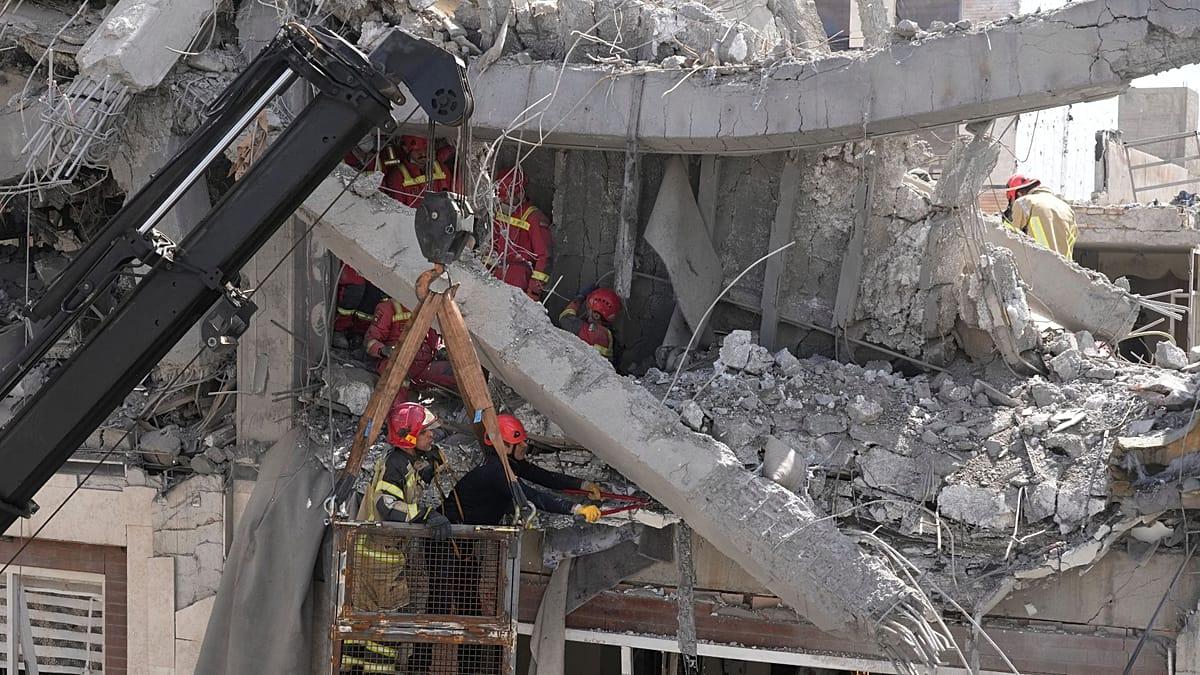
Iran Delivers New Peace Proposal to United States via Pakistan as Trump Says He’s Not Satisfied
27 sources compared
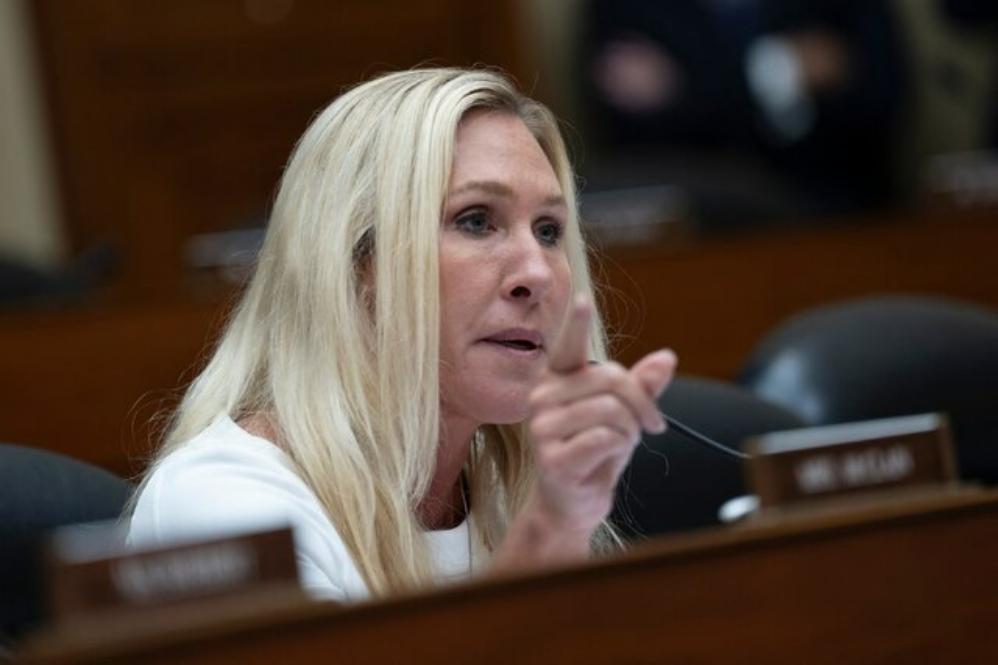
Iran War Halts Strait of Hormuz Shipping, Yara Chief Warns of Global Fertiliser Squeeze
15 sources compared