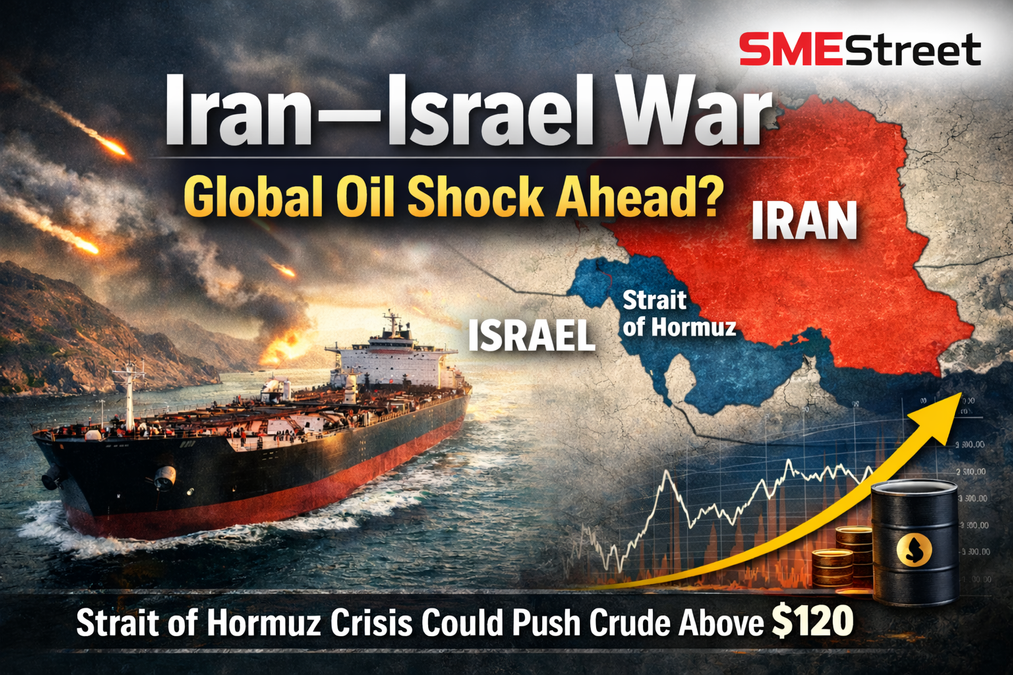
Iran–Israel War Impact on Global Oil Prices: What It Means for India and the World Economy
Key Takeaways
- Escalating Iran–Israel confrontation involves growing United States and allied involvement.
- The conflict places the Middle East at the center of global geopolitical and economic attention.
- Energy markets, especially oil prices, are the deeper global concern arising from the conflict.
Middle East energy risks
The article says the escalating confrontation between Iran and Israel, with increasing involvement from the United States and its allies, has again put the Middle East at the center of global energy and economic risk.
“Introduction: A Conflict That Could Reshape the Global Energy Order The escalating confrontation between Iran and Israel, with increasing involvement from the United States and its allies, has once again placed the Middle East at the center of global geopolitical and economic attention”
It notes the Middle East produces nearly one-third of the world’s oil supply and that nearly 20 percent of global oil passes daily through the Strait of Hormuz.
The article says any disruption—naval conflict, blockades, or threats to shipping—can trigger immediate oil-price volatility, inflation, supply-chain disruption and higher insurance and shipping costs.
Energy markets are already pricing in risks such as supply disruptions from Gulf producers, shipping delays and higher insurance premiums, strategic stockpiling by major economies, and speculative trading in oil futures.
The article emphasizes that perception of risk alone can push prices sharply higher.
Iran's energy influence
The piece outlines how Iran’s geography and role in OPEC give it leverage.
It sits along the northern edge of the Strait of Hormuz and can influence maritime traffic through naval patrols, military drills, threats against oil tankers, deployment of drones or missiles, or temporary restrictions on shipping routes.
The article highlights Iran’s regional networks in Iraq, Syria, Lebanon and Yemen that could indirectly affect pipelines and energy infrastructure.
The article sets out three scenarios for regional leadership — limited conflict, weakening of Iran (benefiting rivals such as Saudi Arabia and the United Arab Emirates), or wider regional realignment.
It assesses U.S. leadership risks and opportunities, warning of possible military overextension, political backlash and economic criticism if prices surge, while noting that stabilising shipping routes could reinforce U.S. credibility.
If U.S. leadership weakens, the article says China, Russia and Gulf nations could gain influence, BRICS energy cooperation could expand, and new regional oil trading arrangements might emerge.
Oil shock risks for India
The article focuses on India and says the country depends on imports for nearly 85 percent of its oil consumption.
“Introduction: A Conflict That Could Reshape the Global Energy Order The escalating confrontation between Iran and Israel, with increasing involvement from the United States and its allies, has once again placed the Middle East at the center of global geopolitical and economic attention”
It says India sources a large portion of its oil from the Middle East, so rising crude prices would directly affect inflation, the fiscal deficit, currency stability and industrial production.
The article names refiners Indian Oil Corporation, Bharat Petroleum and Hindustan Petroleum as likely to face margin pressures.
It lists aviation, logistics, manufacturing, MSMEs, fertiliser and agriculture among sectors that would suffer higher costs.
The article warns that energy price shocks could push central banks toward tighter monetary policy and slower growth.
It recommends policy responses including expanding Strategic Petroleum Reserves, diversifying supply sources (including from Russia, the United States and Latin America), accelerating renewables such as solar, wind and green hydrogen, and strengthening maritime security.
It concludes that the Iran–Israel conflict is a geopolitical event with far-reaching implications for global oil trade and economic stability.
The article adds that even limited disruptions near Hormuz can trigger sharp price increases that policymakers and markets will closely watch.
More on Iran-Israel

Escalation in Iran Pushes Oil Near $120, Sparks Gas Price Surge in Los Angeles
10 sources compared
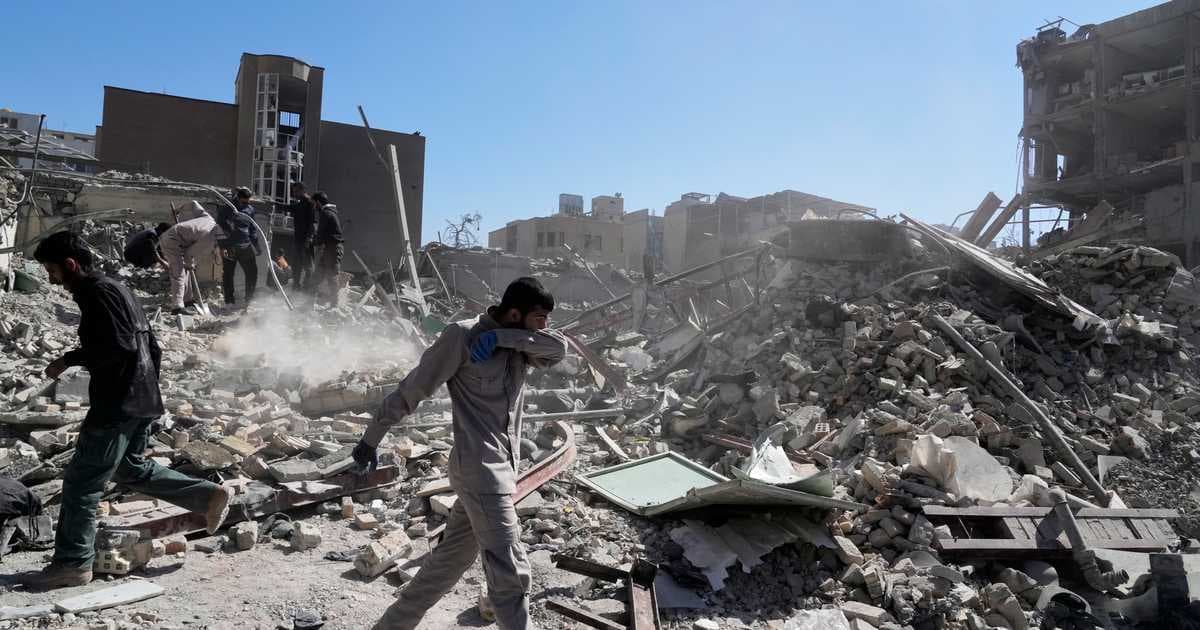
U.S. Intercepts Iran Message Activating Sleeper Cells After U.S.-Israel Strike Kills Khamenei
14 sources compared

Iran Threatens To Confiscate Property Of Iranians Abroad Who Support US And Israel
14 sources compared
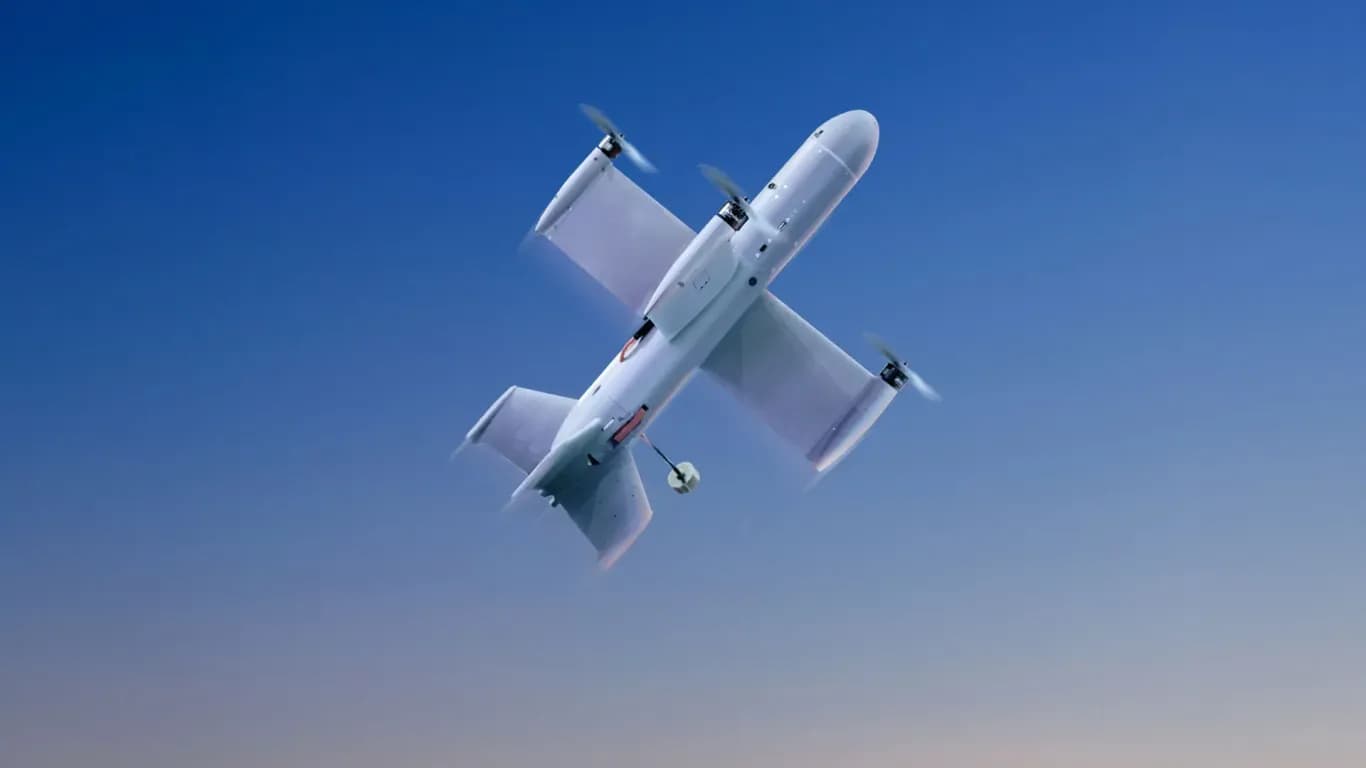
Ukraine Sends Drones, Experts to Shield U.S. Bases in Jordan From Iran
16 sources compared