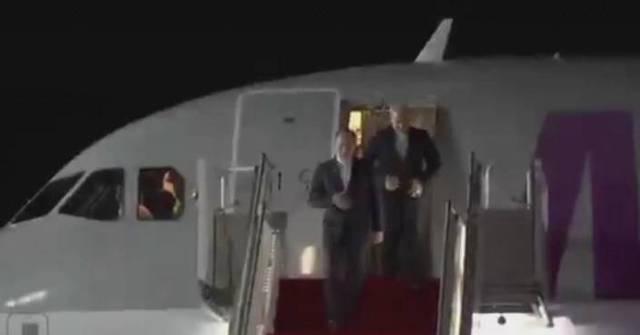
Iran’s Abbas Araghchi Holds Oman Talks on Strait of Hormuz Security
Key Takeaways
- Abbas Araqchi met in Muscat to discuss Hormuz security and end the Iran-U.S. conflict.
- Oman called for diplomacy to ensure lasting freedom of navigation through the Strait of Hormuz.
- Oman's mediation role reflects broader regional diplomacy and potential easing of tensions.
Oman Hosts Araghchi
Iran’s foreign minister, Abbas Araghchi, held talks in Oman on Sunday focused on security in the Strait of Hormuz and broader Gulf waters, according to multiple reports.
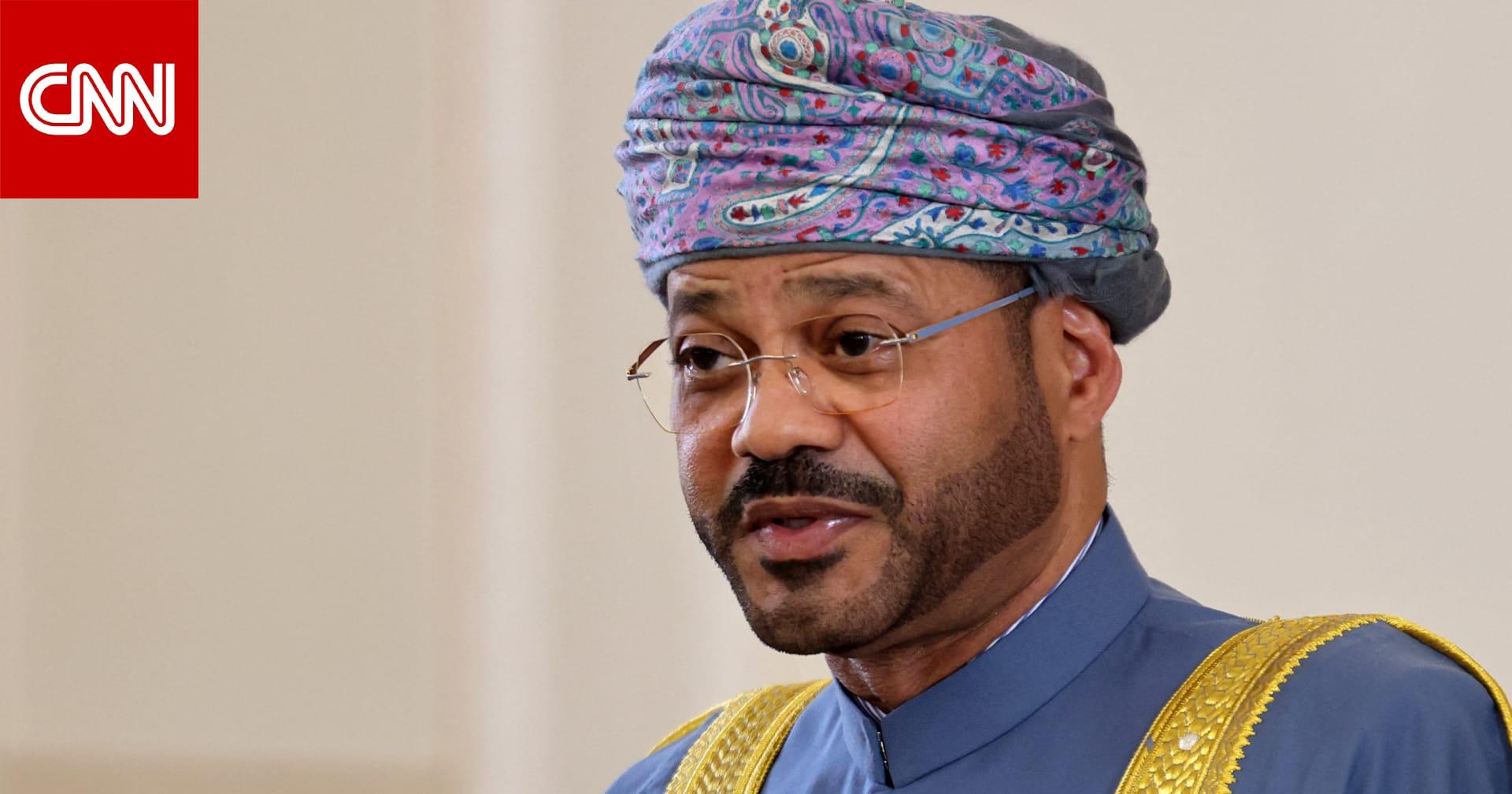
Mehr News Agency quoted Omani Foreign Minister Badr AlBusaidi saying, “Good discussion on the Strait of Hormuz with Iran’s Foreign Minister Dr. Araghchi,” after receiving Araghchi and his accompanying delegation earlier on Sunday.

Anadolu Ajansı similarly reported that Albusaidi described the discussions as “good,” and wrote on X that “As littoral states, we recognize our shared responsibility to the international community and the urgent humanitarian need to free the seafarers held for far too long.”
The same Anadolu report said Araghchi arrived in Muscat on Saturday from Islamabad for talks with Omani officials amid Pakistani mediation efforts to reach an agreement between Iran and the US to end their conflict.
After his trip to Oman, Anadolu Ajansı reported that Araghchi returned to Pakistan on Sunday for talks with officials there on a possible second round of negotiations with Washington, and then left Islamabad for Moscow for talks with Russian officials.
Reuters, as carried by Al-Monitor, also described Araghchi’s Oman discussions as covering “security in the Strait of Hormuz and broader Gulf waters” and “diplomatic efforts to end the Iran-U.S. conflict.”
In CNN Arabic’s account, Oman’s foreign minister wrote on X that Oman is “working intensively” to ensure safe passage for ships through the Strait of Hormuz and added, “Oman is working intensively to put in place arrangements for safe passage through the Strait of Hormuz.”
Ceasefire Diplomacy Loop
The Oman talks were reported as part of a wider effort to revive Iran-U.S. negotiations after a ceasefire entered its nineteenth day.
Anadolu Ajansı said Araghchi’s Oman trip occurred “amid Pakistani mediation efforts to reach an agreement between Iran and the US to end their conflict,” and it linked the diplomacy to a ceasefire brokered by Pakistan that was “two-week” and then extended by US President Donald Trump.

In Fortune’s account, Araghchi arrived in Islamabad again on Sunday as Pakistan’s political and military leadership scrambled to reignite ceasefire talks between Tehran and Washington, and it described confusion after Araghchi had left late Saturday before returning.
Fortune also said the White House on Friday would dispatch envoys Steve Witkoff and Jared Kushner to Islamabad for a second round of talks, but Trump later said he had called off the mission “because of a lack of progress with Iran.”
Fortune reported that Trump last week indefinitely extended the ceasefire that the U.S. and Iran agreed to on April 7, which “has largely halted the fighting that began with joint U.S.-Israeli strikes on Feb. 28.”
Anadolu Ajansı added that Iran and the US held talks in Islamabad two weeks ago but failed to reach an agreement to end their conflict, and it said the sticking points included “the Strait of Hormuz, the US blockade of Iranian ports, and Iran’s enriched uranium.”
In the Other-language report labeled انتخاب, the ceasefire was described as entering “its nineteenth day,” and it said Araghchi met with Pakistani officials and then left Pakistan for Oman, with IRNA reporting he would return from Muscat to Islamabad and that part of the Iranian delegation returned to Tehran for consultations.
Competing Demands and Threats
Across the reporting, the Strait of Hormuz and U.S. pressure measures were described as central to the negotiation deadlock, while both sides issued hostile language.
“Oman calls for diplomacy to ensure lasting freedom of navigation amid Hormuz deadlock Oman’s foreign minister says he held ‘good’ talks with his Iranian counterpart on Strait of Hormuz Rania Abushamala 26 April 2026•Update: 26 April 2026 ISTANBUL Oman’s foreign minister called Sunday evening for diplomacy to ensure lasting freedom of navigation amid restrictions on shipping in the Strait of Hormuz in the wake of joint US-Israeli attacks on Iran”
Fortune said “A standoff remains at the Strait of Hormuz, a vital global waterway, as Iran restricts movement through it and the U.S. enforces a blockade of Iranian ports,” and it added that Iran wants Oman to support “a mechanism to collect tolls from vessels passing through the strait.”
Fortune also reported that Iran insists on ending the U.S. blockade before a new round of talks, and it said Pakistan-led mediators are trying to bridge “significant gaps between the countries.”
In Firstpost’s account, Iran’s foreign ministry statement said Araghchi held talks in Oman and discussed diplomatic efforts to end the Iran-U.S. conflict, while it also quoted that Araghchi criticized American military presence in the region and called for a “regional security framework free of outside interference.”
Firstpost further reported that Masoud Pezeshkian told Pakistan’s Prime Minister Shehbaz Sharif that the U.S. “should first remove operational obstacles, including the blockade,” to allow a new round of negotiations.
Fortune described additional military threats, including Iran’s joint military command warning that “if the U.S. continues its aggressive military actions, including naval blockades, banditry, and piracy” it will face a “strong response.”
Fortune also quoted Trump ordering the military to “shoot and kill” small boats that could be placing mines, and it said Trump told journalists that within 10 minutes of canceling Witkoff and Kushner’s trip, Iran sent a “much better” proposal that included a condition that Iran “will not have a nuclear weapon.”
Oman’s Framing vs. U.S. Pressure
Oman’s role was consistently portrayed as diplomatic and practical, while other reports emphasized the U.S.-Iran confrontation and the pressure campaign.
Mehr News Agency presented Badr AlBusaidi’s message as emphasizing shared responsibility and humanitarian needs, quoting him: “As litoral states, we recognize our shared responsibility to the international community and the urgent humanitarian need to free the seafarers held for far too long.”
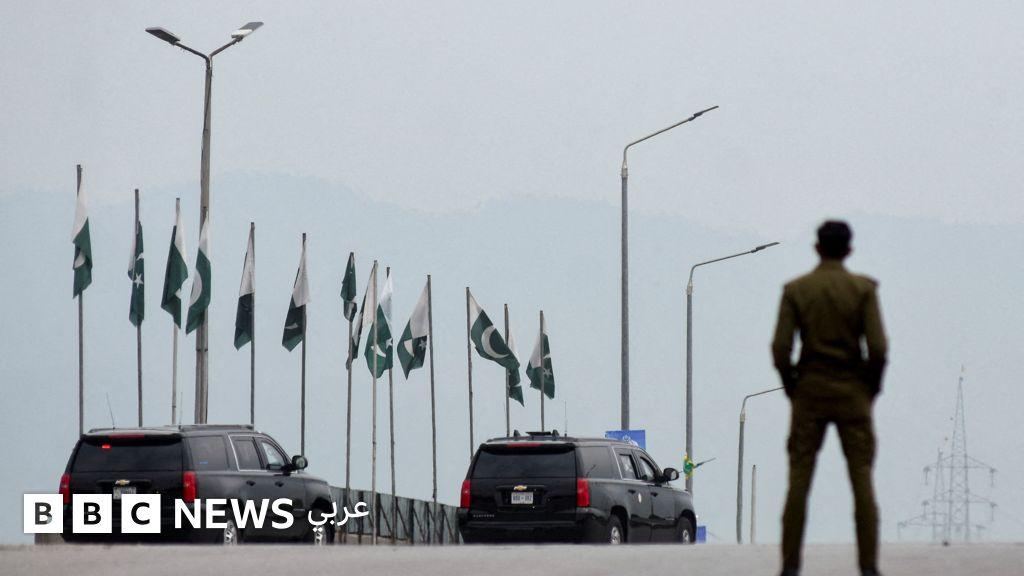
Anadolu Ajansı carried the same X post language and added that “Much diplomacy is required and practical solutions to ensure lasting freedom of navigation,” tying the call directly to the Strait of Hormuz.
CNN Arabic reported that Badr al-Busaidi wrote, “Regardless of your view of Iran, this war is not of their making,” and it said he warned, “This matter is indeed causing wide economic problems, and I fear that these problems will worsen significantly if the war continues.”
In contrast, Fortune described the U.S. as enforcing a blockade of Iranian ports and said Iran restricts movement through the Strait, while it also reported that Iran wants Oman to support toll-collection for vessels passing through the strait.
Firstpost’s Reuters-based account said Araghchi discussed security in the Strait and broader Gulf waters and diplomatic efforts to end the Iran-U.S. conflict, and it included the Iranian foreign ministry statement’s claim that Araghchi said the U.S. military presence was “fuelling insecurity and division.”
Anadolu Ajansı also described the negotiations as occurring “in the wake of joint US-Israeli attacks on Iran,” and it said some sticking points were the Strait of Hormuz and the U.S. blockade of Iranian ports.
What Comes Next
The reporting points to continued diplomatic travel and further negotiation attempts, with the Strait of Hormuz remaining a key issue.
“(CNN) – Oman’s Foreign Minister Badr al-Busaidi said on Monday that the Sultanate of Oman is 'working intensively' to ensure the safe passage of ships through the Strait of Hormuz, highlighting the economic disruptions caused by the war”
Anadolu Ajansı said Araghchi arrived in Muscat on Saturday from Islamabad, then returned to Pakistan on Sunday for talks on a possible second round with Washington, and later left Islamabad for Moscow for talks with Russian officials.
Fortune described Pakistan’s efforts to reignite ceasefire talks between Tehran and Washington as its political and military leadership scrambled, and it noted that the White House said it would dispatch Steve Witkoff and Jared Kushner to Islamabad for a second round before Trump canceled the mission.
In Firstpost, Pakistan-led mediators were described as working to bridge “significant gaps between the U.S. and Iran,” and it said Iran still insists on ending the U.S. blockade on its ports before launching a new round of talks with the Trump administration.
The انتخاب report added that Araghchi would return from Muscat to Islamabad and that part of the Iranian delegation returned to Tehran for consultations, while it also said the Omani Foreign Minister acknowledged shared responsibility “with Iran as two coastal states toward the international community.”
It further stated that Al Jazeera’s network, citing the Kremlin, reported that Seyed Abbas Araghchi would visit Moscow on Monday to meet Vladimir Putin, and it said AP reported Araghchi is expected to conduct further talks with Pakistani officials and then travel to Moscow.
Finally, CNN Arabic’s account of Oman’s messaging emphasized that Oman is “working intensively” to arrange safe passage, and it warned that economic problems could worsen if the war continues.
More on Iran

Trump Cancels Witkoff and Kushner Trip as Iran-U.S. Peace Talks Stall
12 sources compared

Abbas Araghchi Leaves Islamabad for Moscow to Meet Vladimir Putin After Pakistan Talks
23 sources compared
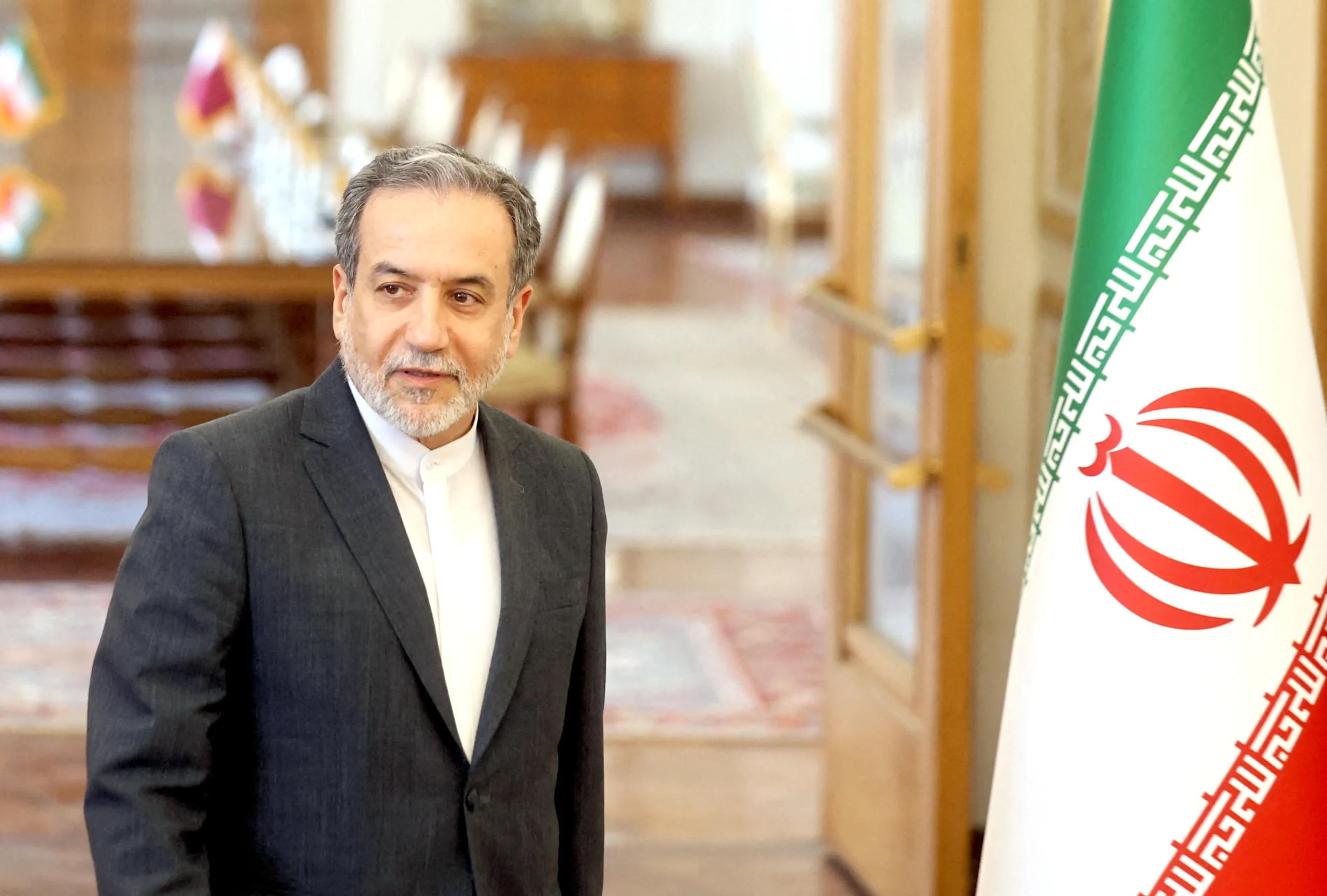
Iran’s Foreign Minister Abbas Araghchi Heads to Moscow to Meet Vladimir Putin
12 sources compared

Iran and U.S. Enter Awkward Limbo After Trump Cancels Iran Peace Talks
18 sources compared