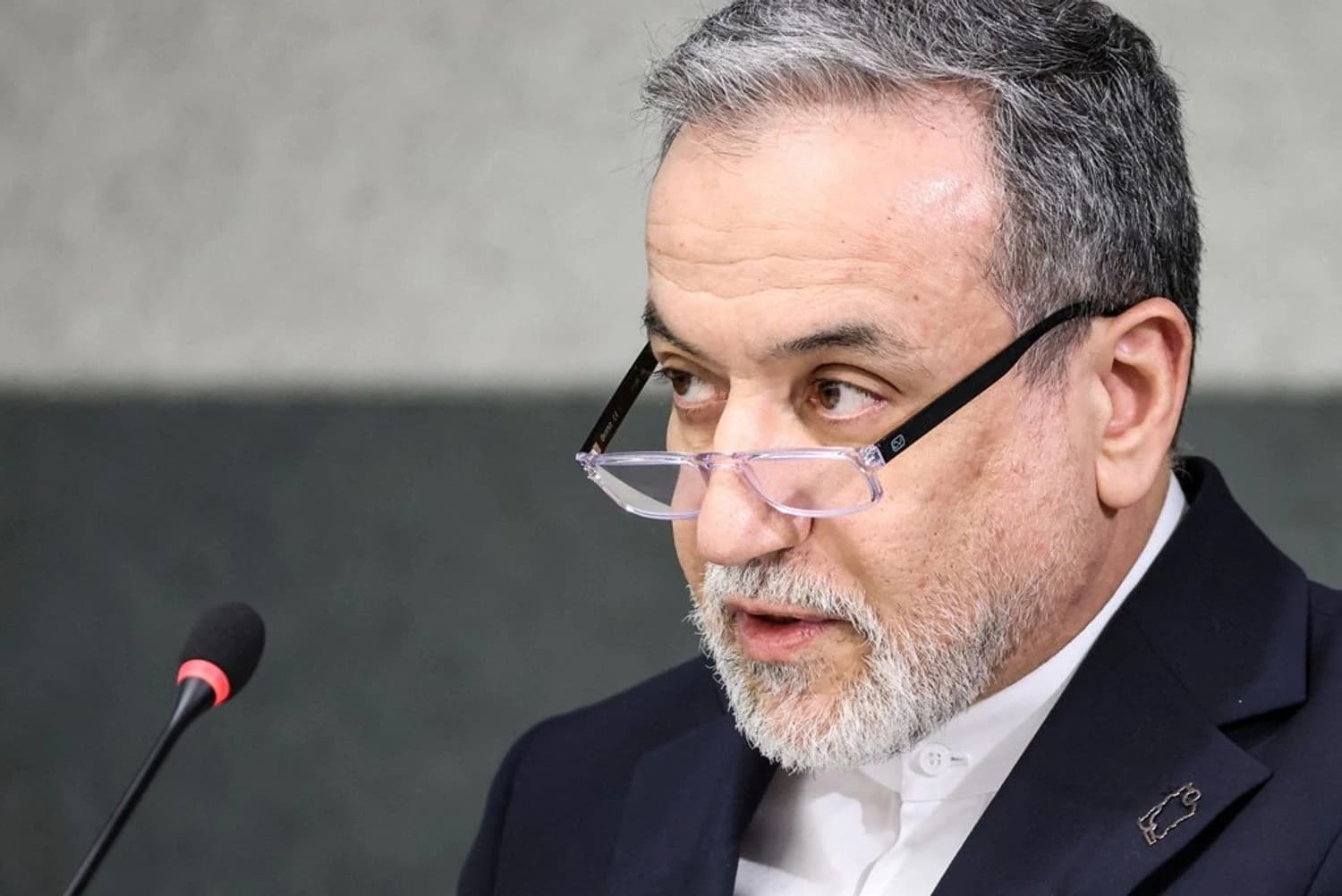
Iran's Foreign Minister Denies Injury to New Supreme Leader Mojtaba Khamenei After US Claims
Key Takeaways
- Iran's foreign minister says there is no problem with the new Supreme Leader.
- U.S. claims of Mojtaba Khamenei's injury have been denied by Iran.
- The denial was reported by MSNBC, AFP, and UNN.
Iranian Denial of US Claims
Iranian Foreign Minister Abbas Araghchi has strongly denied US claims that new Supreme Leader Mojtaba Khamenei was injured or wounded, directly contradicting assertions made by American officials about the condition of Iran's top leadership.
“March 15, 2026e-Paper The View From IndiaLooking at World Affairs from the Indian perspective”
Araghchi emphatically stated that 'there is no problem with the new supreme leader' and confirmed that Khamenei 'sent his message yesterday, and he will perform his duties,' providing what Iran presented as evidence of his continued capability to lead.
The Iranian government has worked to counter these US claims through official statements and state media broadcasts, attempting to project stability and normalcy despite the ongoing conflict that led to Mojtaba Khamenei's succession following the assassination of his father, Ayatollah Ali Khamenei.
The denial comes amid heightened tensions between Washington and Tehran as the regional crisis enters its third week.
US Claims About Khamenei
US Secretary of Defense Pete Hegseth made specific and inflammatory claims about Mojtaba Khamenei's physical condition during a press briefing, stating that the Iranian leadership are 'desperate and hiding, gone underground, like that rat used to do.'
Hegseth went on to declare that 'We know the new so-called, not-so-supreme leader (Mojtaba Khamenei) is wounded and likely disfigured,' suggesting serious injury to Iran's new top leader.

These remarks from the Pentagon chief came alongside assertions that 'the USA is decimating the Iranian regime,' as he cited the combined efforts of two of the world's most powerful air forces striking 15,000 enemy targets since the beginning of operations in West Asia.
'The State Department has further escalated tensions by offering a $10 million reward for information regarding Mojtaba Khamenei's location, demonstrating the US government's belief that the Iranian leadership may indeed be in a vulnerable or compromised position.'
Iranian Media Response
In direct response to US allegations, Iran's state media has actively worked to refute claims that the leadership has gone underground or is incapacitated, releasing high-definition, real-time broadcasts that showcase top Iranian officials in public settings.
“Kyiv•UNN March 14 2026, 08:13 PM•15009views The Iranian Foreign Minister denied US claims about Mojtaba Khamenei's injury after airstrikes”
These broadcasts featured President Masoud Pezeshkian, the leading political figure of the country, seen greeting supporters and taking selfies on the rain-spattered streets in Tehran during a Quds Day protest.
This public display was specifically timed to refute Hegseth's assertion that the Iranian leadership had 'lost the capability to communicate or coordinate,' demonstrating what Iran presented as evidence of normal governance despite the wartime conditions.
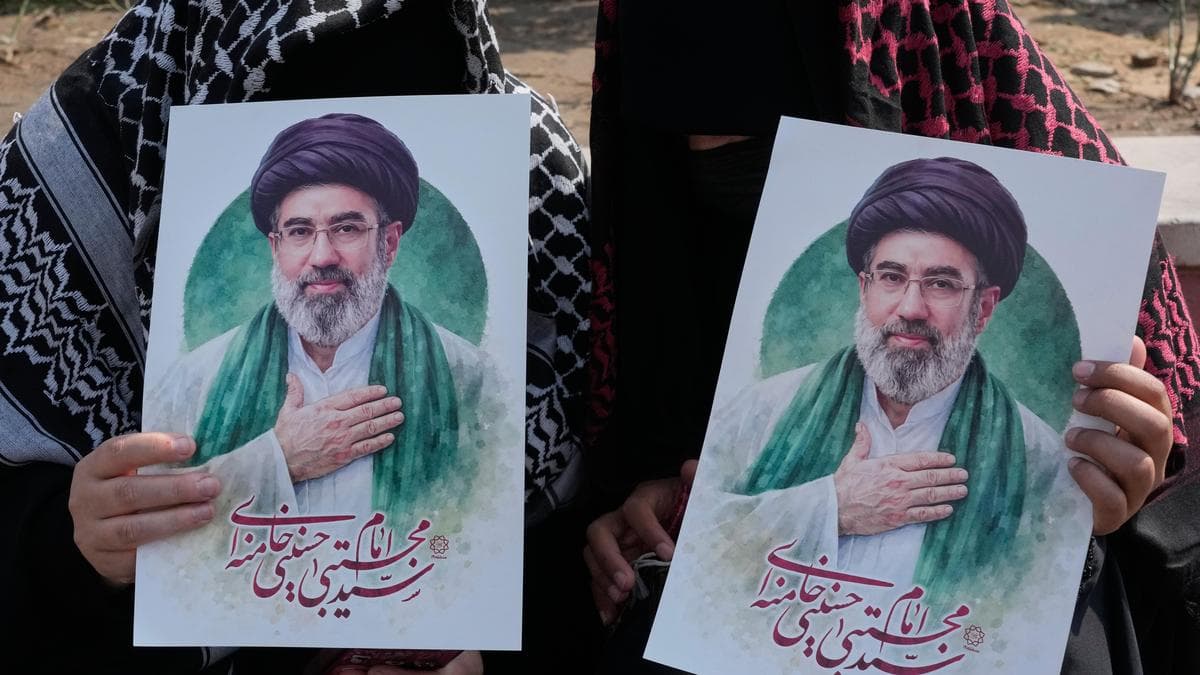
'The footage showed Iranian leaders walking freely among citizens and participating in public events, with supporters holding posters of Mojtaba Khamenei during government support campaigns, suggesting the new leadership remains visible and engaged with the public despite the ongoing conflict and US claims about his condition.'
Conflict Context and Escalation
The current situation stems from a rapidly escalating conflict that began on February 28 with joint US-Israeli strikes that specifically targeted Iran's top leadership, resulting in the assassination of Supreme Leader Ayatollah Ali Khamenei on the opening day of the military campaign.
Following his father's death, Mojtaba Khamenei assumed the position of Supreme Leader, inheriting a nation at war with the United States and its allies.
In retaliation for the initial strikes, Iran launched missile and drone attacks on US bases across the region and announced the effective closure of the Strait of Hormuz, which accounts for nearly 20 percent of global oil shipping.
This strategic move led to a sharp rise in energy prices, with crude oil crossing the $100 per barrel threshold.
Amid mounting pressure from rising oil prices and continuing hostilities, former President Trump ordered massive strikes on Kharg Island, Iran's critical oil export hub, in an attempt to compel Tehran to reopen the strategically vital waterway and de-escalate the conflict.
More on Iran

Epstein network plots 9/11-style attack to blame Iran, Ali Larijani says
11 sources compared

Iran Drone Attack Hits UAE Fujairah Port, Halting Oil Loading
11 sources compared

FCC chair Brendan Carr Threatens Broadcasters' Licenses Over Iran War Coverage
18 sources compared

US-Israeli strike pounds Iranian city of Hamadan
11 sources compared