
Nabih Berri Rejects Direct Negotiations With Israel, Calls Civil Peace a Red Line
Key Takeaways
- National unity and civil peace are red lines Lebanon will not cross.
- Any infringement on these pillars threatens Lebanon's existence and aids Israeli aims.
- Lebanon is pursuing direct talks with Israel amid regional tensions and Hezbollah clashes.
Ceasefire, then talks
Lebanese Parliament Speaker Nabih Berri reaffirmed that “national unity and civil peace are a red line that will not be crossed under any circumstances,” framing the issue as existential for Lebanon and warning that any infringement “constitutes a threat to Lebanon’s very existence and a free gift to the Israeli enemy and its projects.”
“Lebanese Parliament Speaker Nabih Berri reaffirmed on Friday that “national unity and civil peace are a red line that will not be crossed under any circumstances”
In parallel, the ceasefire on the Lebanese front entered into effect at “00:00 on Friday,” and Berri tied his public posture to the first day of that truce as “residents begin returning to their villages and towns.”
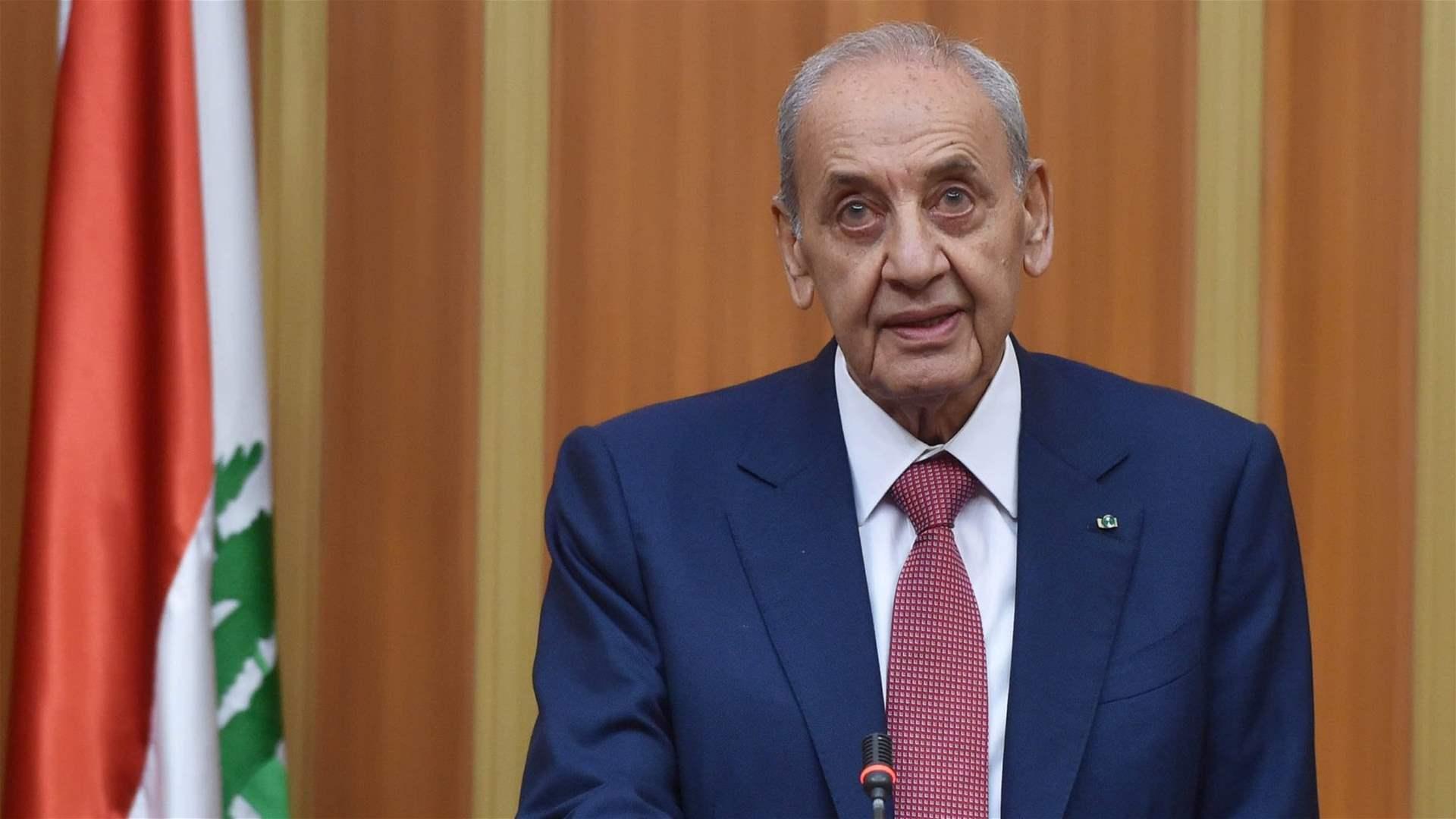
Berri also condemned celebratory gunfire after the ceasefire, saying “every bullet fired into the air poses a danger to innocent lives and threatens people’s property,” and describing it as “an affront to the dignity of the martyrs and a violation not only of the law, but of all moral and divine principles.”
The sources also place Berri’s stance against direct negotiations with Israel, with both Al-Manar TV Lebanon and Naharnet reporting that he rejected “direct negotiations with the Israeli enemy.”
Al-Manar TV Lebanon adds that Berri met a delegation from the “We Are All Beirut” group headed by former minister Mohammad Shuqair, and that he reiterated his identity statement: “I reiterate that I am Shiite in identity, Sunni in inclination, and Arab in destiny.”
In the same reporting stream, Al-Sharq Al-Awsat is cited for an interview in which Berri expressed “cautious satisfaction” with the ceasefire agreement while stressing that it was “for ten days initially.”
How the truce was set
Multiple accounts connect the Lebanon ceasefire to external diplomatic pressure and to a broader Iran-linked negotiation environment.
Palestine Chronicle reports that “US President Donald Trump announced a 10-day ceasefire in Lebanon set to begin at 5 PM EST,” and says Trump wrote on Truth Social that Lebanese President Joseph Aoun and Israeli Prime Minister Benjamin Netanyahu “have agreed that in order to achieve PEACE between their countries, they will formally begin a 10 Day CEASEFIRE at 5 P.M. EST”.

The same source says the announcement came after “a phone call between Trump and Lebanese President Joseph Aoun,” and it describes earlier Lebanese and Iranian parliamentary-level messaging in which “Lebanese Parliament Speaker Nabih Berri and Iranian Parliament Speaker Mohammad Bagher Ghalibaf had stressed that a ceasefire in Lebanon must take priority over any political process.”
Al-Manar TV Lebanon, meanwhile, says Berri’s “cautious satisfaction” was tied to a phone call on Thursday morning in which Berri’s “Iranian counterpart, Mohammad Bagher Ghalibaf” confirmed that the ceasefire was reached through “a comprehensive agreement that included Iran.”
Naharnet similarly reports that Ghalibaf confirmed during a phone call that the ceasefire was reached “according to a comprehensive formula that included Iran,” and it adds that Berri said the process had moved forward as “a step in the right direction.”
The sources also describe the ceasefire’s initial duration and the conditions for return, with Al-Manar TV Lebanon stating Berri would not call for the return of people from the south “before ensuring that the appropriate conditions were ripe,” “especially since the announcement did not include an Israeli withdrawal from Lebanese territory at this stage.”
Voices on direct talks
As the ceasefire took hold, the sources show a sharp split between those who want direct negotiations and those who insist on preconditions.
“Gift this articleShare to FacebookPrint article Article printing is available to subscribers only Print in a simple, ad-free format Subscribe Comments: SaveZen Reading Zen reading is available to subscribers only Ad-free and in a comfortable reading format Subscribe”
The Associated Press reporting carried by PBS describes “Lebanon and Israel's first direct talks in decades this week,” saying they were “spurred by the latest war between Israel and the Iran-backed Lebanese militant group Hezbollah,” and it notes that officials tried to “temper expectations” while acknowledging that “the fact that they are happening at all represents a significant step.”
In that same PBS account, Israel’s ambassador to the U.S., Yechiel Leiter, is quoted hailing what he called a “convergence of opinion about removing Hezbollah's influence from Lebanon,” saying he was encouraged by a “wonderful exchange,” while Lebanon Ambassador Nada Hamadeh Mouawad described the meeting as “constructive.”
The Hill reports that Lebanese President Joseph Aoun “threw cold water” on Trump’s announcement of direct talks, with Aoun’s office saying that during the call “President Aoun renewed his thanks for the efforts Trump is exerting to reach a ceasefire in Lebanon,” and that Trump responded with support for “meeting the Lebanese request for a ceasefire at the earliest possible time.”
The Hill also reports that Aoun told Secretary of State Marco Rubio he would not speak with Netanyahu until a ceasefire was implemented, citing LBCI, and it quotes Trump’s earlier Truth Social post: “Trying to get a little breathing room between Israel and Lebanon. It has been a long time since the two leaders have spoken, like 34 years. It will happen tomorrow. Nice!”
Haaretz frames the domestic risk, saying “Lebanon Fears Talks With Israel Could Push the Country to the Brink of Civil War,” and it ties the concern to “growing concerns in Lebanon” about deepening “sectarian divisions” and “reigniting civil clashes.”
Different outlets, different frames
The sources also diverge in how they portray the negotiation track itself—whether it is a step toward peace, a risk of civil conflict, or a product of Iranian pressure.
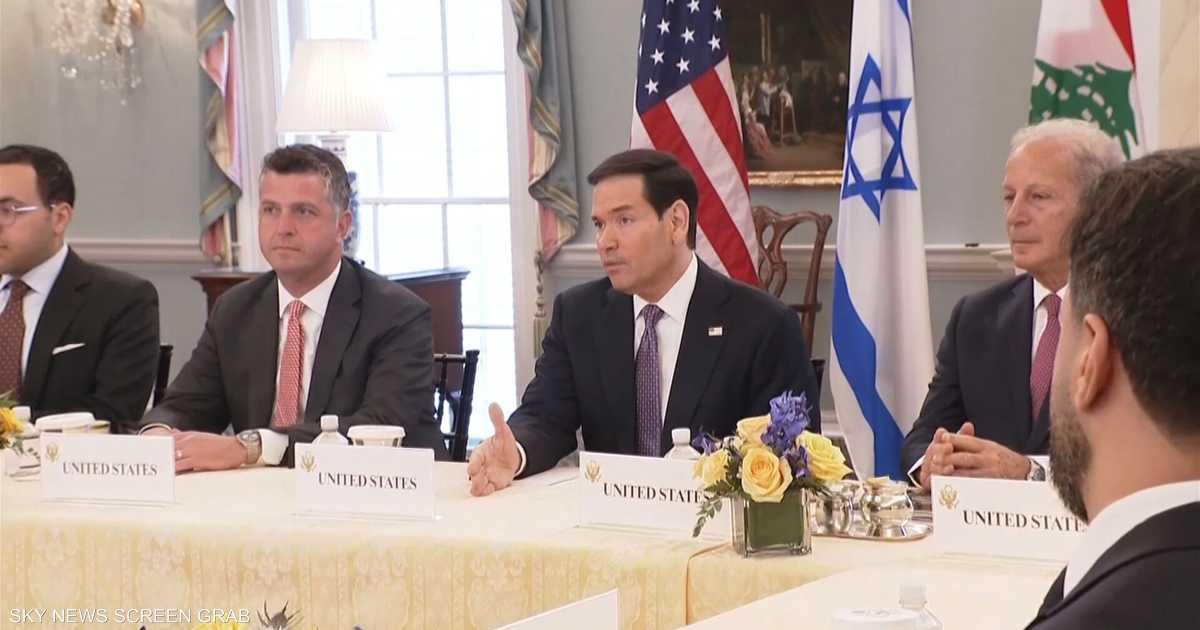
PBS emphasizes process and diplomacy, describing a “preparatory meeting” in Washington in which “the two countries are framing these talks very differently,” and it quotes Secretary of State Marco Rubio saying, “This is a process, not an event,” adding, “This is more than just one day. This will take time.”

By contrast, Haaretz foregrounds the internal fear, warning that “direct talks with Israel could deepen the country's sectarian divisions and even amount to reigniting civil clashes,” and it positions the concern as “growing” inside Lebanon.
The Hill focuses on the political friction around Trump’s announcement, reporting that Aoun “renewed his thanks” for ceasefire efforts while rejecting the idea of speaking with Netanyahu until a ceasefire is implemented, and it highlights that Rubio hosted “the Israeli and Lebanese ambassadors to the U.S. for a historic in-person meeting, the first high-level engagement between the two countries since 1993.”
CNBC provides a U.S.-centric timeline, saying Trump announced that talks would begin Thursday and quoting his Truth Social language about “trying to get a little breathing room between Israel and Lebanon,” while also describing the trilateral meeting and the agreement to hold “productive discussions on steps toward launching direct negotiations.”
Palestine Chronicle, in turn, frames the ceasefire announcement as driven by “days of diplomatic pressure led by Iran,” and it says Trump’s announcement followed a phone call with Aoun, while also asserting that Aoun refused Netanyahu talks under current conditions of “ongoing Israeli airstrikes and destruction across Lebanon.”
What’s at stake next
The stakes described across the sources are both immediate—civilian harm, displacement, and continued military escalation—and political—whether Lebanon can preserve “civil peace” while negotiations proceed.
“ByPalestine Chronicle Staff US President Donald Trump announced a 10-day ceasefire in Lebanon set to begin at 5 PM EST, following days of diplomatic pressure led by Iran”
CNBC reports that Israel has “expanded its strikes beyond southern Lebanon to the capital, Beirut, displacing more than a million people,” and it cites Qatar News Agency, saying “the death toll in the country stood at 2,164, with 7,061 wounded as of April 15.”

It also notes that the speaker of Iran's parliament warned “that negotiations to end the war cannot begin unless Israel halts attacks on Lebanon and unless the U.S. releases Tehran's frozen assets,” and it describes the negotiation context in Islamabad where “the negotiations… ended without the two sides reaching a deal.”
The Hill similarly ties the push for direct talks to ceasefire terms in the U.S.-Israel war against Iran, and it reports that Netanyahu said the “first negotiations taking place with Lebanon in nearly 40 years have two goals: To disarm Hezbollah and achieve a “sustainable peace.””
At the same time, the Lebanese presidency framework described by عرب 48 says Aoun stressed that “a ceasefire and a withdrawal are two essential conditions,” and it adds that Aoun told the British minister of state for the Middle East Hamish Nicholas Falconer that “the Israeli withdrawal from Lebanese territory is a basic step to solidify the ceasefire and to enable the Lebanese army to deploy.”
Finally, Al-Manar TV Lebanon and PBS both connect the next phase to how quickly displaced residents can return and how negotiations are structured, with Al-Manar TV Lebanon saying Berri would not call for return “before ensuring that the appropriate conditions were ripe,” and PBS quoting Rubio that “This is a process, not an event,” while also listing Lebanon’s aims including “the withdrawal of Israeli forces from southern Lebanon, the release of Lebanese prisoners held in Israel, the return of the displaced, and reconstruction.”
More on Lebanon

Trump Says U.S. Naval Blockade Will Continue as Iran Declares Strait of Hormuz Open
20 sources compared

Israel And Lebanon Begin 10-Day Ceasefire As UNIFIL Reports Airspace Violations
25 sources compared
Israel-Lebanon 10-Day Ceasefire Takes Effect as Hezbollah Fighting Pauses
19 sources compared

Trump Announces 10-Day Israel-Lebanon Ceasefire Starting Thursday at 5 P.M. ET
30 sources compared