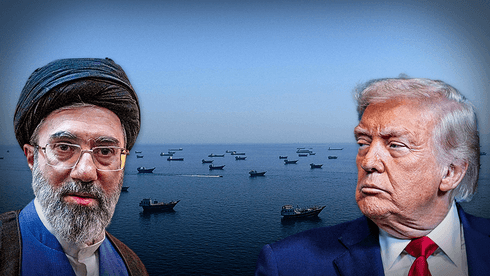
Iran’s IRGC Targets U.S. Forces After Trump Retaliatory Strikes Near Strait of Hormuz
Key Takeaways
- IRGC says it targeted US bases across the region in retaliation for strikes near Hormuz.
- U.S. forces struck Iranian missile, drone storage sites and coastal radar positions.
- US strikes followed a drone attack on a cargo ship in the Strait of Hormuz.
Day 120 Escalation
The United States and Iran traded strikes for the first time since signing a memorandum of understanding (MoU) last week, as the conflict entered day 120 and tensions rose ahead of the next round of talks.
The US military said it carried out strikes in retaliation for a drone attack on a cargo ship a day earlier in the Strait of Hormuz, after US President Donald Trump accused Iran of carrying out that attack.

Iranian state media reported that a projectile struck near a pier in the city of Sirik near the Strait of Hormuz, and Iran said Qeshm island has also been hit.
Iran’s Islamic Revolutionary Guard Corps (IRGC) said it targeted locations in the region where US forces are deployed in retaliation for the Trump administration’s latest attack, while there were no reports of US targets being attacked by the time of publication.
Threats and Negotiations
Iran’s Foreign Ministry condemned the US strikes as “a blatant violation” of the UN Charter and a “clear breach of Paragraph 1 of the Memorandum of Understanding,” while Iran’s IRGC Navy said it responded by targeting US military sites in the region.
US Vice President JD Vance warned that “violence will be met with violence” after Washington conducted strikes on Iran, and he also said that if Iran has disagreements about how the MoU is being implemented, they can consult even by phone.

Ebrahim Azizi, the head of parliament’s National Security and Foreign Policy Commission, said on X that the US “once again attacked Iran in the middle of negotiations,” framing the strikes as a lack of commitment to diplomacy and ceasefire understandings.
The National Iranian American Council (NIAC) said it was “dismayed and concerned” by the attack on the vessel in Hormuz and the US military’s response of strikes on Iran, urging that “The US and Iran have started a diplomatic process and should use diplomatic channels to raise disputes, not bombs.”
Strait of Hormuz Stakes
The IRGC’s statements tied the retaliation to control of maritime transit, saying the deal gives Tehran control over ships transiting the Strait of Hormuz, a global energy chokepoint.
“The United States and Iran have traded strikes for the first time since signing a memorandum of understanding (MoU) last week, raising tensions days before the two sides are set to meet for the next round of talks”
In the US account, CENTCOM said it targeted Iranian missile and drone storage locations, as well as coastal radar sites, describing the strikes as a response to what Washington said was an Iranian drone attack on a cargo ship in the Strait of Hormuz.
A tanker in the Strait of Hormuz was struck by an “unidentified projectile,” UKMTO said on June 27, and it reported that the tanker sustained damage to its bridge but that “all crew are reported safe.”
As diplomats work to contain the broader Middle East war, the exchanges raised fresh questions about keeping the Strait of Hormuz open while Washington and Tehran negotiate a final settlement, with Iran warning vessels not to enter or leave the Gulf through the strait without permission.
More on Iran

Aleksandar Vucic Says He Will Resign Within Weeks Amid Belgrade Protests
14 sources compared

U.S. Airstrikes Iran After Iranian Drones Attack M/T Kiku in Strait of Hormuz
12 sources compared
U.S. Strikes Iran Again After Iranian Drone Attack on Panama-Flagged Tanker in Strait of Hormuz
19 sources compared

U.S. Launches Strikes Against Iran After Drone Attack on Panama-Flagged Tanker M/T Kiku
14 sources compared