
Iran’s Missile Attack on Qatar Damages Gas Facility as US and Iran Near Nuclear Deal
Key Takeaways
- Iran's missile attack on Qatar damaged the world's largest natural-gas facility in mid-March.
- Efforts toward a US-Iran peace deal moved toward imminent signing, signaling de-escalation.
- Gulf states reassess security arrangements as the US umbrella in the region faces changes.
Deal talks near finish
Iran’s missile attack against Qatar in mid-March sent plumes of smoke rising from the largest natural-gas production facility in the world, destroying sections of a plant that provides nearly a fifth of the globe’s gas supply and imperiling multibillion-dollar contracts with China and other clients.
“As Washington and Tehran move towards a long-term ceasefire agreement, Gulf states will likely look for new long-term security solutions when a war in their region – which they did not start – finally ends”
In Washington, a senior US administration official said the United States and Iran were “very close” to sealing a deal that would reopen a critical shipping route and dismantle Tehran’s nuclear enrichment infrastructure, while stressing the agreement remains unsigned but “moved significantly closer to completion.”
The same official said, “We’re not quite at the finish line yet, but we are very close,” adding that the likelihood of a final signing was around “80 to 85 percent.”
In Paris, France’s foreign minister Jean-Noel Barrot urged Washington and Tehran to seize the opportunity to sign, telling French TV channel LCI, “We call on both sides to seize this opportunity to end a situation that is clearly untenable.”
Gulf outreach and doubts
As negotiations progressed, Pakistani Prime Minister Shehbaz Sharif said Islamabad’s mediators believed a final text of an agreement to end the Middle East war had been reached and were working with both sides “to finalize the next steps,” despite an “incessant misinformation campaign being waged by those who want to sabotage the peace deal.”
Sharif added on X that peace “has never been this close as it is now,” tagging Donald Trump, US Vice President JD Vance, Secretary of State Marco Rubio, US envoy Steve Witkoff, Iranian President Masud Pezeshkian, and Foreign Minister Abbas Araqchi.
Meanwhile, Israeli Defense Minister Israel Katz voiced doubts about a potential US-Iran agreement, saying in a Telegram post on August 12 that Trump was working toward an agreement with Iran “with American interests in mind,” while urging Washington to address Israel’s broader security concerns including Iran’s missile program.
In the Gulf, Bloomberg reported that senior security officials from the United Arab Emirates and Iran met face-to-face for the first time since the start of the Iran war, with one source saying the UAE wanted a delegation with a direct line to Iranian Supreme Leader Mojtaba Khamenei.
Security and economic stakes
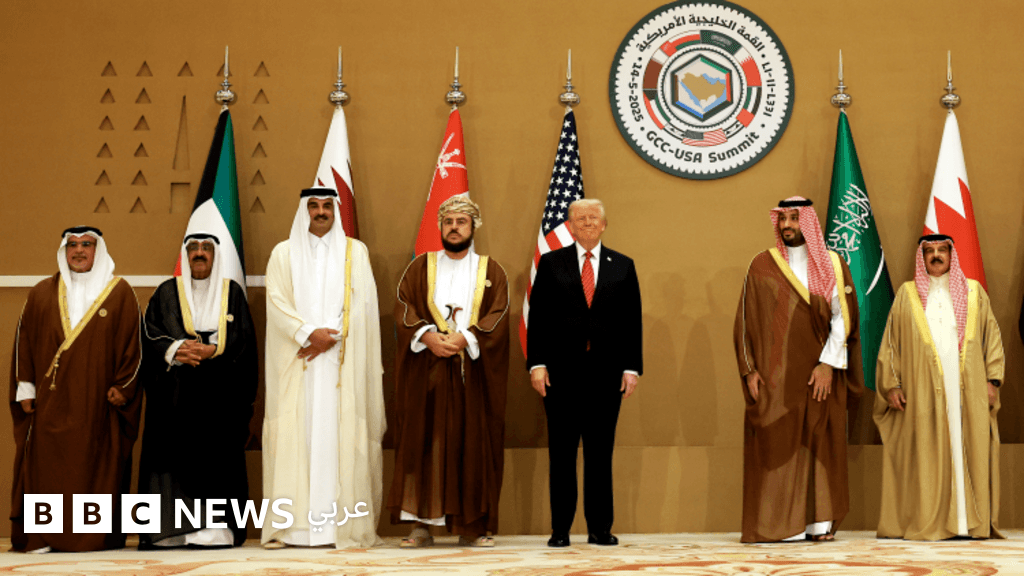
The Washington Post said the mid-March attack on Qatar damaged the prospects of finding an earlier end to the war by dragging Qatar, a key mediator between the United States and Iran, into the fight, while the BBC described the wider conflict as a potential turning point for Gulf-U.S. alliance arrangements.
“France Urges US, Iran To 'Seize This Opportunity' And Sign Peace Deal France's foreign minister urged Washington and Tehran to seize the opportunity to end an untenable situation and sign a tentative peace deal that appears to be close, saying he passed the message on to his Iranian counterpart in a call”
In the BBC’s account, Dr. Jeffrey F. Gresh said the United States “owned one of the most extensive and comprehensive systems of military bases and logistical support in the world,” and that the US shifted “its rhetoric and policies to focus on the Gulf region in particular.”
Al Jazeera reported that the war has already pierced the sense of security for Gulf states, saying “At least 28 people have been killed across the six Gulf Cooperation Council (GCC) states” in suspected Iranian drone and rocket attacks since the US and Israel launched their offensive on Iran on 28 February.
Al Jazeera also tied the conflict to economic disruption, noting that “The closure of the Strait of Hormuz has proven be a setback” for Gulf states trying to diversify energy-reliant economies, even as Saudi Arabia redirected some oil exports through its East-West pipeline to the Red Sea and Oman benefited from rising energy prices.
More on Iran

United Arab Emirates Denies Releasing $10 Billion Frozen Iranian Assets After Reuters Report
15 sources compared
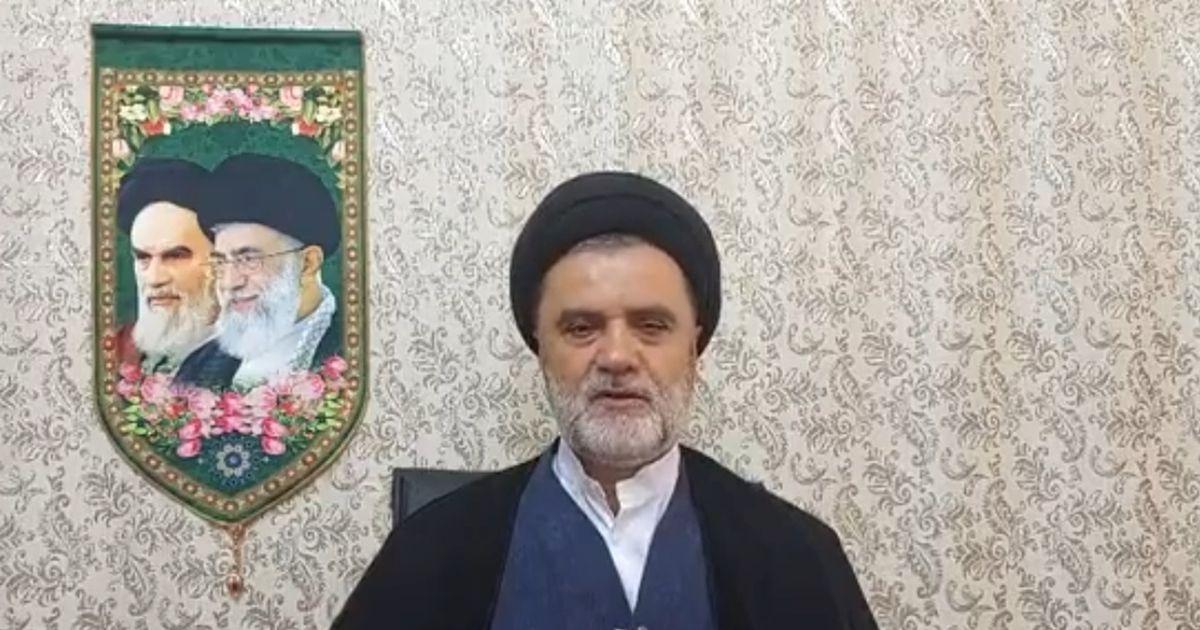
Trump Says U.S. And Iran Near Agreement To Reopen Strait Of Hormuz And Extend Ceasefire
10 sources compared
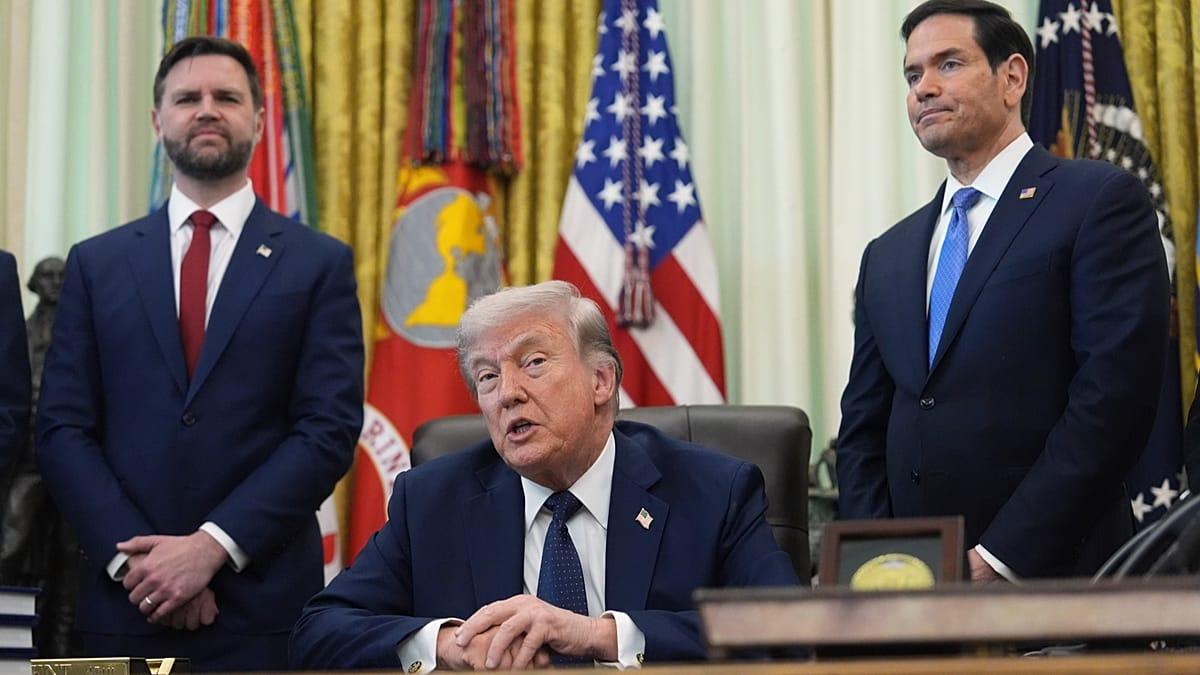
White House Confidence Rises to 85% for US-Iran Agreement, Trump Says Not 100%
25 sources compared

Iran Says It Agreed With Washington on Guiding Principles After Geneva Talks
18 sources compared