Iran12 March, 20262 min read
Iran's national police chief Ahmad-Reza Radan warns he will treat anti-government protesters as enemies
This article is an automated aggregation of coverage from news outlets. Our editorials offer in-depth analysis curated by the NewsCord team.
Ahmad-Reza Radan warned protesters supporting Tehran's foes will be treated as enemies. Warning issued amid fears the regional war could reignite mass anti-government rallies.

Radan's direct warning
Iran's national police chief Ahmad-Reza Radan warned that anti-government protesters who align with Tehran's external adversaries will no longer be treated as demonstrators but as enemies, and vowed the security forces would respond accordingly.
“‘If anyone comes forward in line with the wishes of the enemy, we will no longer see them as merely a protester, we will see them as an enemy,’ said national police chief Ahmad-Reza Radan in comments aired by state broadcaster IRIB late on Tuesday (March 10, 2026).”
Radan's remarks, broadcast on state television, included the lines: "If anyone comes forward in line with the wishes of the enemy, we will no longer see them as merely a protester, we will see them as an enemy," and "And we will do to them what we do to an enemy. We will deal with them in the same way we deal with enemies."
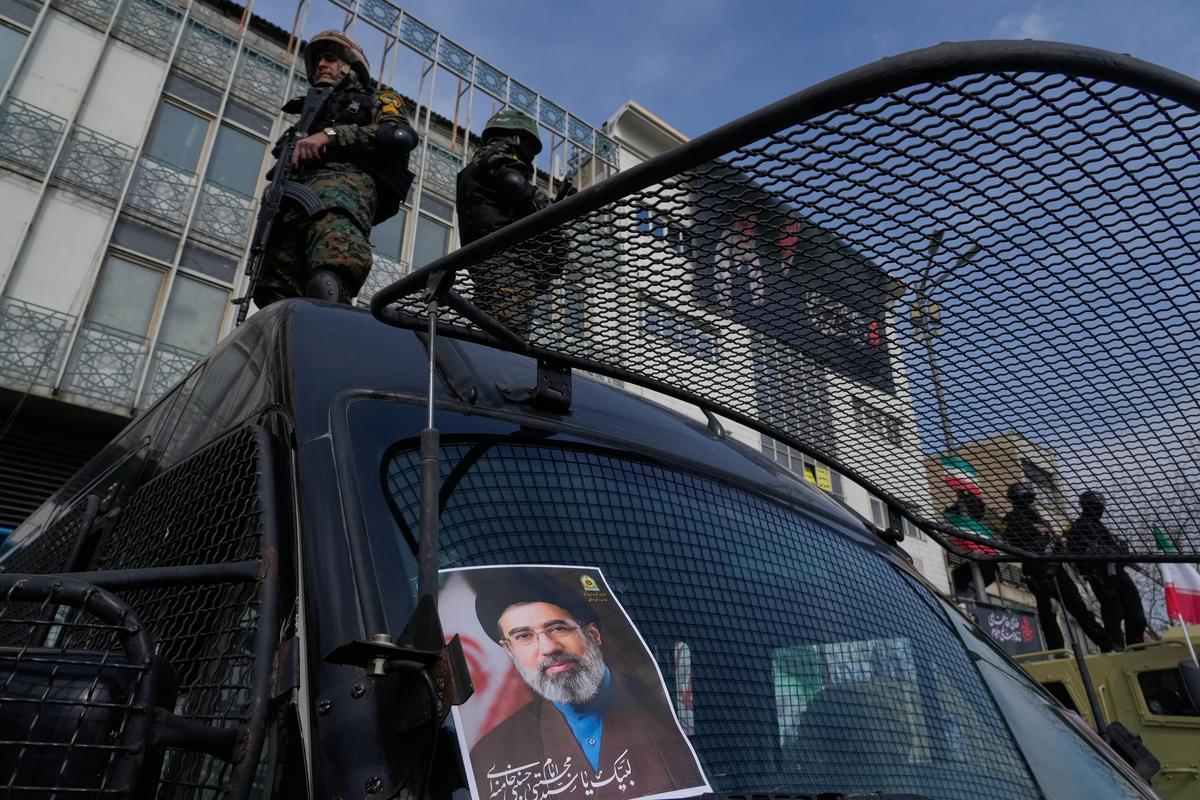
He also stressed readiness, stating security forces were prepared to defend the revolution "with their hands on the trigger."
Ties to January crackdown
Radan's statement follows the Iranian government's crackdown on nationwide protests that erupted in January after earlier demonstrations over economic grievances, which authorities described as "riots" and said at times required protesters to surrender or face force.
All three outlets link the warning to that earlier unrest: they note the January crackdown, the economic roots of the demonstrations, and Radan's prior ultimatum calling on protesters to hand themselves in or face the full force of the law.
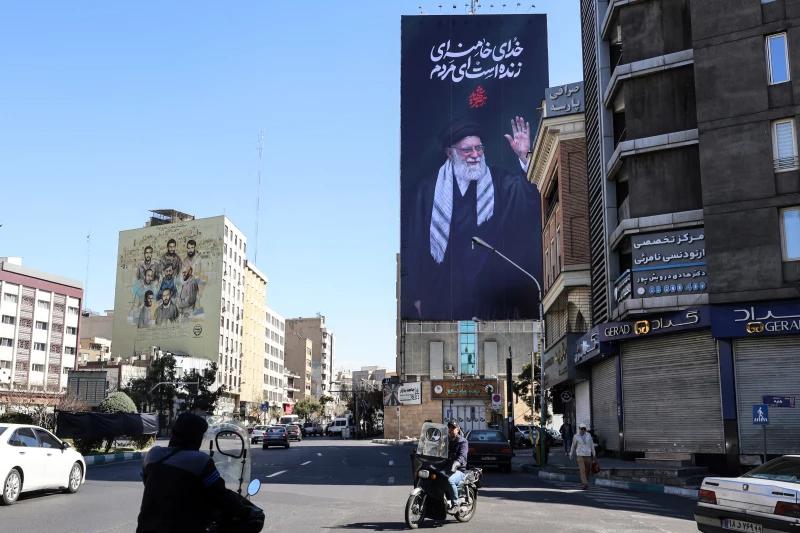
Casualties and arrests
Reporting from the three outlets highlights starkly different tallies of casualties and detentions: Iranian authorities acknowledge more than 3,000 deaths during the unrest, while the U.S.-based Human Rights Activists News Agency (HRANA) has recorded over 7,000 killings and more than 50,000 arrests, a disparity the outlets present as indicating the true toll may be far higher.
“Iranian authorities acknowledge more than 3,000 deaths in the unrest, including members of the security forces and bystanders, but say the violence was caused by ‘terrorist acts’ fuelled by Iran's enemies. The U.S.-based Human Rights Activists News Agency (HRANA), however, has recorded more than 7,000 killings in the crackdown, the vast majority protesters, though the toll may be far higher. More than 50,000 have been arrested, it says.”
Sources emphasize that the larger HRANA figure mainly counts protesters and that the overall numbers remain contested.
Government framing and response
State authorities have framed the protests as externally driven and criminal, labeling demonstrators "terrorist elements" and foreign plots, and the judiciary has warned there will be "no leniency" for those seen as acting against national security.
The outlets report officials' repeated insistence that the unrest was fuelled by Iran's enemies, and that security forces are on high alert to treat any collaboration with external adversaries as a security crime rather than political protest.
Regional tensions context
Outlets situate Radan's warning within an intensifying regional context: reporting notes U.S. and Israeli military action and consequent Iranian retaliation, and suggests Tehran's domestic posture is influenced by external hostilities.
“U.S. President Donald Trump had initially cheered on the protesters, threatening to intervene on their behalf as authorities launched a deadly crackdown, but his threats soon shifted to Iran's nuclear programme. Washington launched strikes with Israel on Iran on February 28, sparking retaliatory strikes by Tehran against Israel and U.S. bases across the Gulf region.”
One outlet records that Washington "launched strikes with Israel on Iran on February 28, sparking retaliatory strikes by Tehran against Israel and U.S. bases across the Gulf region," while others flag growing regional tensions as part of why Iranian security organs say they're on heightened alert.