Iran13 March, 20264 min read
Iran's New Supreme Leader Mojtaba Khamenei Orders Closure of Strait of Hormuz
This article is an automated aggregation of coverage from news outlets. Our editorials offer in-depth analysis curated by the NewsCord team.
Strait of Hormuz will remain closed as leverage against the United States and Israel Ordered opening of new fronts and urged attacks on US military bases in the Gulf
Statement and broadcast
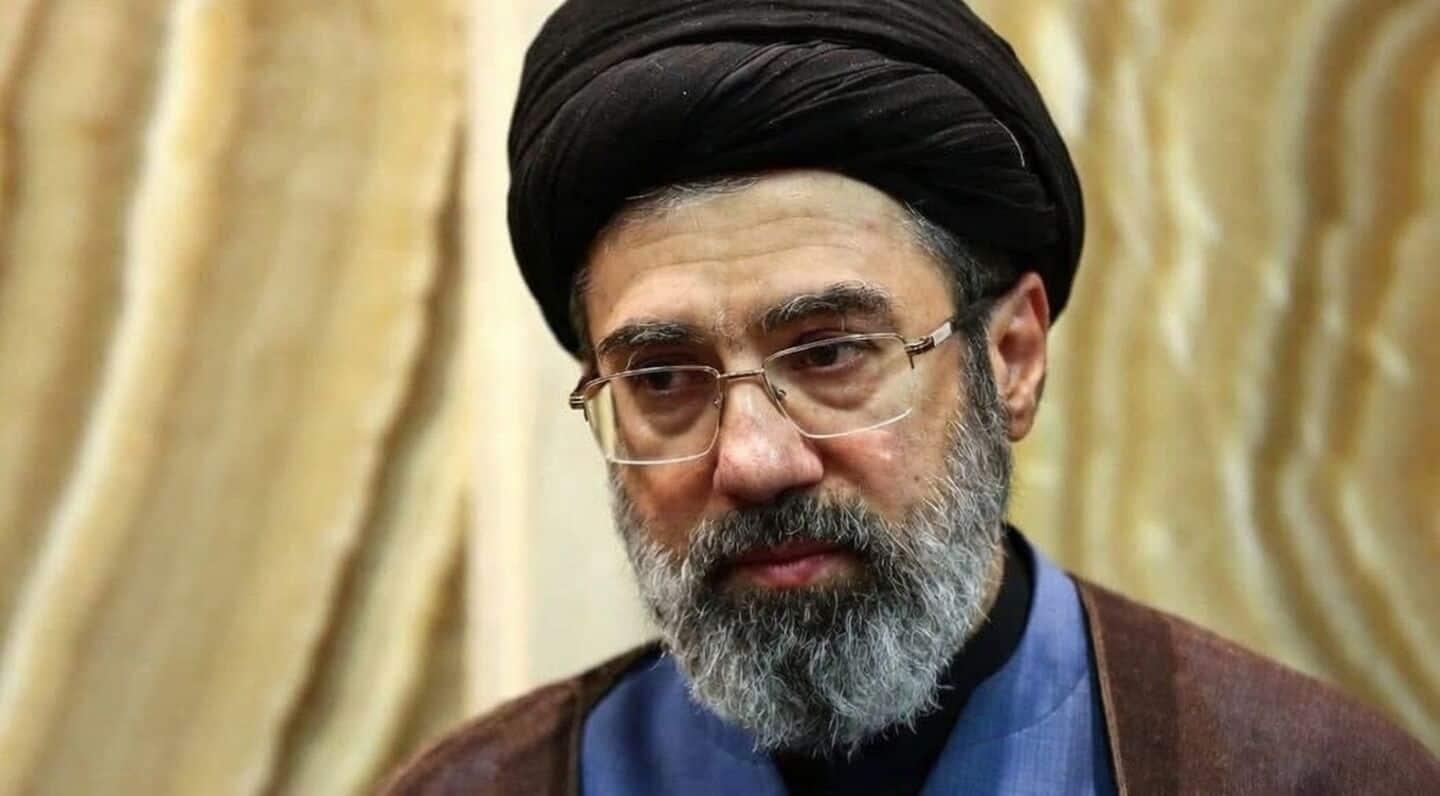
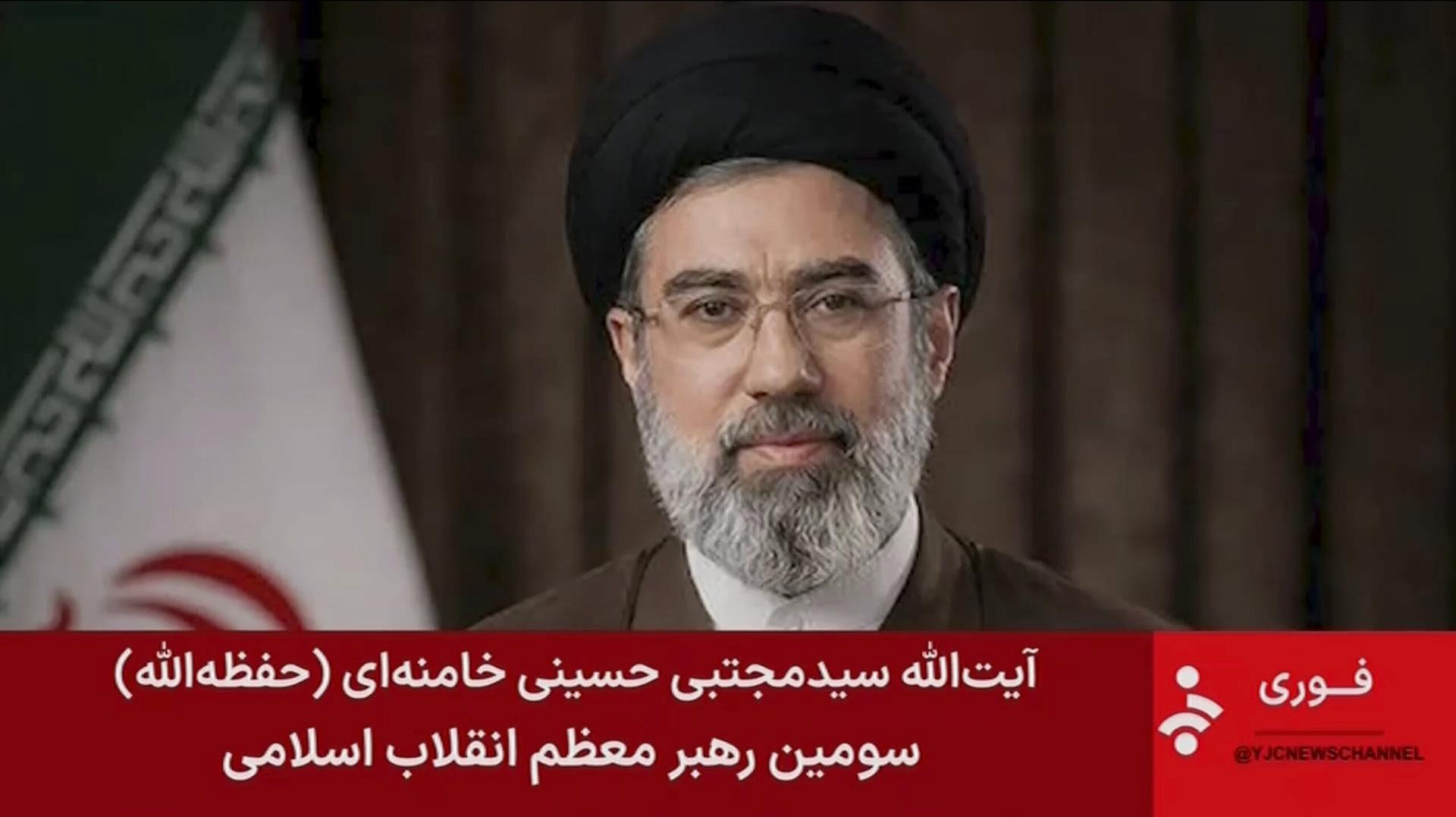
Iran’s newly proclaimed supreme leader, Mojtaba Khamenei, issued a first public statement ordering that the Strait of Hormuz be kept closed, with the message broadcast on state television and read by a presenter rather than appearing in person.
“Mojtaba Khamenei, Iran's new supreme leader, has declared in his first public statement read on state television Thursday, that he would keep the Strait of Hormuz shut to pressure the United States and Israel, as the war in the Middle East showed no signs of winding down.”
France 24 reported that “Mojtaba Khamenei, Iran's new supreme leader, has declared in his first public statement read on state television Thursday, that he would keep the Strait of Hormuz shut to pressure the United States and Israel,”
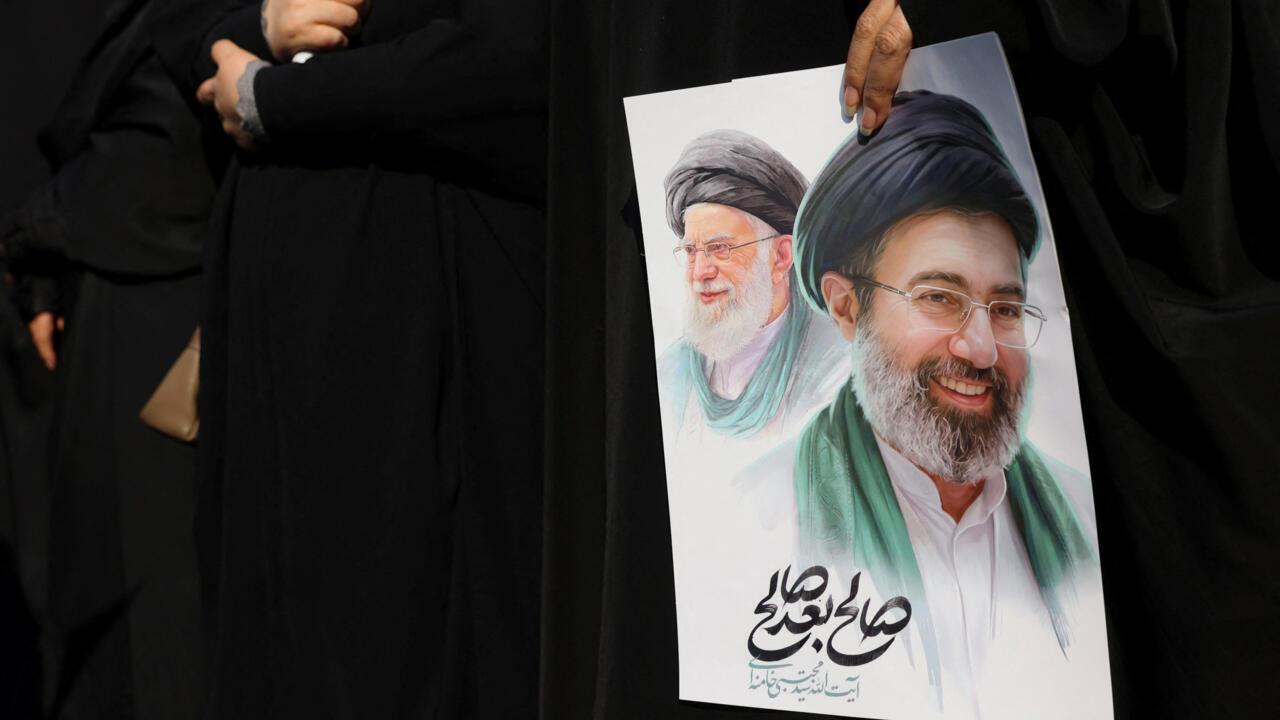
NPR noted “Iran's state media issued what it said was a message from its new supreme leader, Mojtaba Khamenei, vowing to keep the Strait of Hormuz closed” and also that “it was unclear whether the statement was from 56-year-old Mojtaba Khamenei himself. He did not appear in the broadcast. Another person was heard reading out the remarks.”
A West Asian dispatch likewise recorded that “Khamenei did not appear in person and the remarks were read out by a state television presenter.”
Threats and reparations
The statement combined strategic threats with pledges of retribution and economic measures: Khamenei urged continuing the “lever” of blocking the Hormuz, called on Gulf states to close US bases, and vowed vengeance for those killed. The Tribune quoted him saying “The lever of blocking the Strait of Hormuz must certainly continue to be used,” and that “I assure everyone that we will not forgo vengeance for the blood of your martyrs.”
Regional outlets recorded similar lines—Odisha TV reproduced the call that “The lever of blocking the Strait of Hormuz must continue to be used,” and India TV News noted he warned “If compensation was refused, Iran would take an equivalent amount from their assets, and if that was not possible, it would destroy property of equal value.” NewsBytes summarized the reparation threat directly: “We will take reparations from the enemy, and if it refuses, we will seize from its assets to the extent we deem necessary, and if that too is not possible, we will destroy an equivalent portion of its assets,” Mojtaba said.
Escalation and fronts
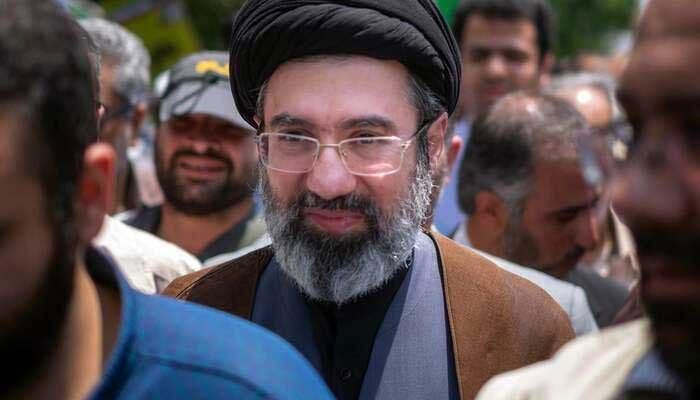
Khamenei’s message also signalled plans for military escalation beyond maritime choke points: he said studies had been done on opening additional fronts in areas where the enemy is “highly vulnerable,” and Iranian outlets emphasised that strikes had targeted foreign bases rather than sovereign neighbours. The Tribune reported “Studies have been conducted regarding the opening of additional fronts in areas where the enemy has negligible experience and would be highly vulnerable,”
“'Studies have been conducted regarding the opening of additional fronts in areas where the enemy has negligible experience and would be highly vulnerable, and their activation will be carried out if the state of war persists and in accordance with the observance of interests,' he said.”
Odisha TV and India TV News repeated that “new fronts could be activated if the state of war persists” and that Iran had “identified sites which he claimed were vulnerable for future strikes.” The Tribune added that some previous actions had “solely striking those bases” when warning neighbours about US installations.
Shipping and markets
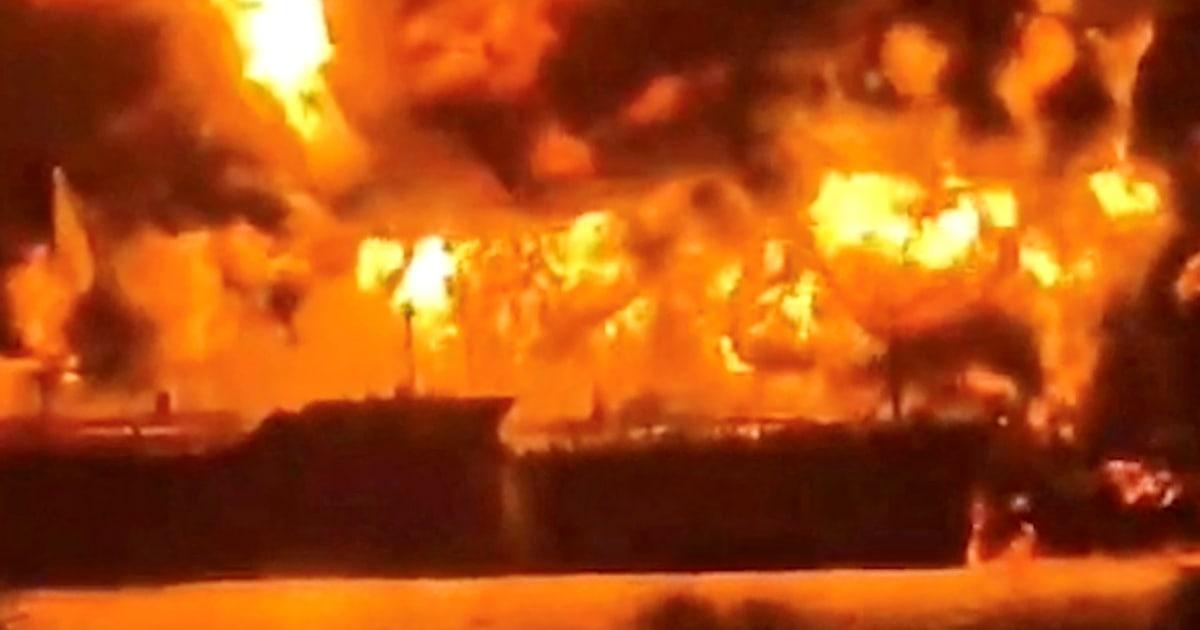
The move has already had tangible effects on shipping and markets: outlets reported attacks on vessels, a near‑standstill for traffic through Hormuz, and a sharp oil-price reaction. NPR observed that “Iran has put a virtual choke hold on the vital strait, attacking some of the commercial ships that try to move through it,” Le Monde wrote that Khamenei said “'The lever of blocking the Strait of Hormuz must definitely be used,'” and that “oil prices spiking briefly above $100 a barrel,”
A West Asian dispatch reported that “Oil prices soared above $100 and stock markets extended losses as Iran’s new supreme leader ordered the Strait of Hormuz to be kept closed.” The Paris-based International Energy Authority warned the disruption could become “the largest supply disruption in the history of the global oil market.”
Human toll and uncertainty
The broadcast came amid heavy human and geopolitical costs and some uncertainty about facts: outlets reported the killing of senior figures in Tehran that preceded Mojtaba’s rise, large civilian casualties and millions displaced, while also flagging parts of the account as unconfirmed. A West Asian report noted Khamenei’s father and family were killed in strikes: “No images have been released of him since an Israeli strike at the start of the war that killed much of his family, including his father and wife.” NPR recorded casualty and displacement figures, saying “The Iranian death toll now tops 1,300, according to Iran's ambassador to the United Nations,” and that “The United Nations refugee agency, UNHCR, said as many as 3.2 million people have been displaced in Iran since the war with the U.S. and Israel began nearly two weeks ago.”
“No images have been released of him since an Israeli strike at the start of the war that killed much of his family, including his father and wife.”
NewsBytes highlighted a particularly high-civilian toll in Minab: “a missile strike on a girls' school in Minab that killed at least 168 people, including around 110 children.” The same NPR piece cautioned that it was “unclear whether the statement was from 56-year-old Mojtaba Khamenei himself.”