
Iran's new Supreme Leader Mojtaba Khamenei vanishes from public view, fueling questions about his condition.
Key Takeaways
- Mojtaba Khamenei was officially announced Iran's new supreme leader on March 8.
- He has not appeared publicly five days after the announcement.
- A message attributed to him was read aloud instead of a public appearance.
Mysterious Disappearance
Mojtaba Khamenei, officially announced as Iran's new Supreme Leader on March 8 following the death of his father Ayatollah Ali Khamenei, has vanished from public view in an unprecedented manner.
“Updated 13 March 2026 at 10:40 IST Mojtaba Khamenei Dead Or Alive”
His appointment marked the abrupt closure of a nearly 40-year era under his father, who died after US and Israeli airstrikes targeted Iranian leadership and military facilities on February 28.
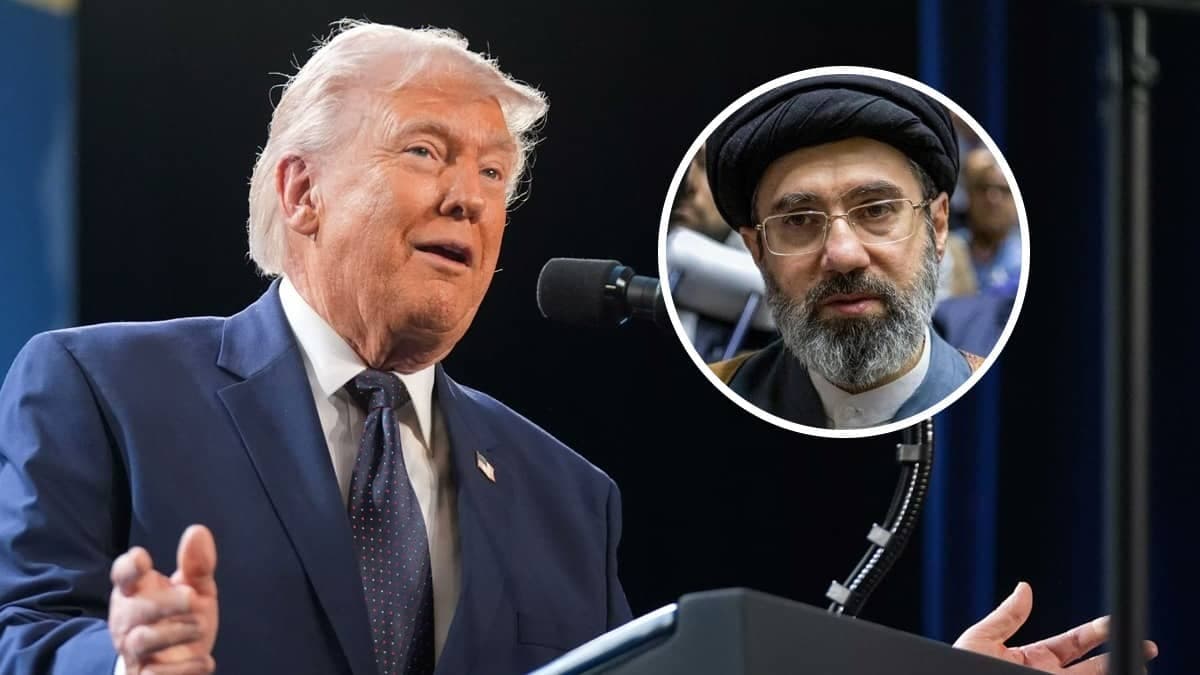
The new leader has not appeared publicly or delivered any video message, with only a single message attributed to him having been read aloud.
This absence has triggered widespread speculation about both his physical condition and the true nature of power within the Islamic Republic.
The mysterious disappearance comes during a period of intense regional turmoil as the West Asia war enters its 14th day with ongoing explosions reported in Doha, Bahrain, UAE, and other surrounding countries.
International Skepticism
International reactions to Mojtaba Khamenei's appointment and disappearance have been swift and critical, particularly from former US President Donald Trump.
Trump expressed disappointment in Iran's choice of leader, stating that Mojtaba Khamenei's elevation was “unacceptable” to him and unlikely to bring meaningful change to Iran's policies.
He specifically remarked that the appointment could lead to “more of the same problems” in relations between Tehran and the international community.
Trump's comments reflect broader international skepticism about whether the new Supreme Leader, who grew up as his father agitated against Shah Mohammad Reza Pahlavi before the 1979 Islamic Revolution, possesses the authority or inclination to alter Iran's course.
The international community watches closely as the absence of the new leader raises questions about Iran's stability and the continuity of its foreign policy during this critical juncture in the regional conflict.
Power Structure Shift
The mysterious absence of Iran's new Supreme Leader has exposed what analysts describe as a fundamental shift in Iran's power structure, with authority increasingly concentrated in the hands of the security apparatus rather than traditional clerical institutions.
“Updated 13 March 2026 at 10:40 IST Mojtaba Khamenei Dead Or Alive”
Historian Dr. Shahram Kholdi described the situation as “textbook case of the tail wagging the dog,” noting that “the IRGC used to be the tail. Now it’s the one wagging the dog.”
Iranian political analyst Shayan Samii provides further insight, stating that “in reality, the IRGC is running the show” and that “these figures who appear in front of the cameras are often the face presented to the public, but the real decisions are made within the security apparatus.”
This analysis suggests that Mojtaba Khamenei's elevation, while seemingly placing him at the pinnacle of Iranian power, may actually have made the true wielders of authority more visible.
The new leader's long-standing role as a conduit between the office of the supreme leader and the Revolutionary Guards has now become central to understanding Iran's evolving political landscape.
Uncertainty Theories
Multiple theories have emerged to explain Mojtaba Khamenei's continued absence from public view, with speculation ranging from physical injury to strategic concealment for security reasons.
The historian Dr. Shahram Kholdi offered a particularly vivid metaphor, describing the new leader as “Schrödinger’s cat” who “appears simultaneously present and absent.”
This unusual characterization highlights the uncertainty surrounding both his physical condition and the actual exercise of power within the Islamic Republic.
Some analysts suggest he may be injured from the recent conflict, while others theorize he is being deliberately hidden for security purposes amid the ongoing West Asia war.
Regardless of which theory proves correct, the situation has created unprecedented uncertainty about Iran's leadership during a critical period of regional conflict.
The lack of any public appearance by a Supreme Leader who should normally address the nation directly has raised fundamental questions about the stability and continuity of Iran's government structure.
Regional Instability
The situation surrounding Mojtaba Khamenei's disappearance and the broader West Asia war context have created a precarious geopolitical situation with far-reaching implications.
“Updated 13 March 2026 at 10:40 IST Mojtaba Khamenei Dead Or Alive”
The conflict began when US and Israel jointly launched airstrikes into Iranian territory on February 28, targeting top leadership, military bases and energy facilities, which resulted in the death of Iran's supreme leader Ayatollah Ali Khamenei.
This triggered a broader regional confrontation that has since expanded with both sides exchanging strikes across multiple locations.
The mysterious circumstances of the new leadership transition come amid ongoing regional instability, with explosions repeatedly heard in Doha, Bahrain, UAE, and other neighboring countries.
This combination of factors has created an unprecedented power vacuum and uncertainty that extends beyond Iran's borders, affecting the entire balance of power in West Asia and raising concerns about the potential for further escalation in the already volatile regional conflict.
More on Iran
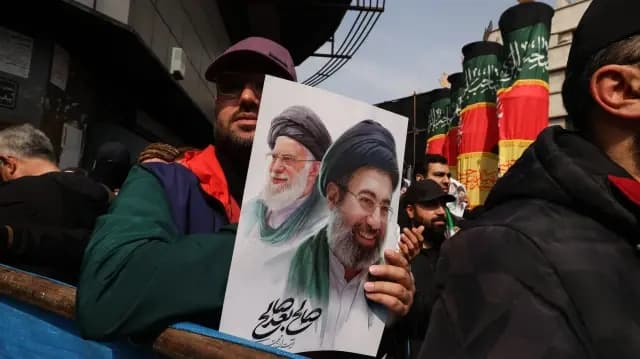
Russia Secretly Airlifts Iran's Supreme Leader Mojtaba Khamenei to Moscow for Surgery
11 sources compared
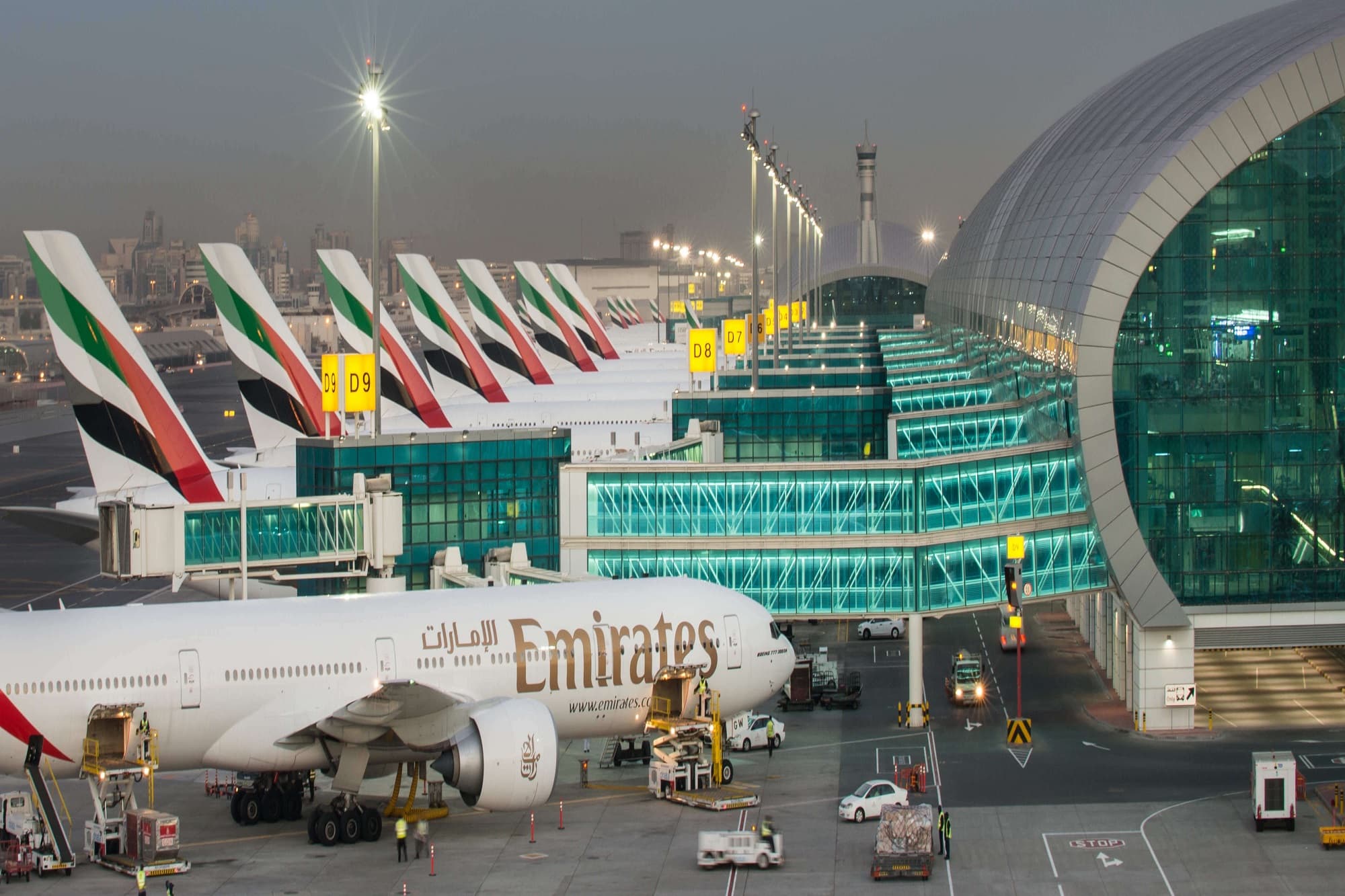
Iranian Drone Strike Shuts Dubai International Airport, Thousands Stranded
25 sources compared

Iran Drone Strike Shuts Dubai International Airport, Triggers Global Travel Disruption
16 sources compared

Iran's New Supreme Leader Mojtaba Khamenei Travels to Moscow for Leg Surgery
15 sources compared