
Iran’s New Supreme Leader Mojtaba Khamenei Vows to Keep Strait of Hormuz Closed
Key Takeaways
- Mojtaba Khamenei ordered forces to keep the Strait of Hormuz effectively closed
- Khamenei vowed continued attacks on Gulf states and to use Hormuz closure as leverage
- Attacks on Gulf energy targets and tankers sparked oil price spikes and supply disruption warnings
First message and threats
Iran’s newly appointed supreme leader, Ayatollah Mojtaba Khamenei, issued his first public message on March 12, vowing to keep the strategic Strait of Hormuz effectively closed and to continue strikes on regional targets that host U.S. forces.
“New Iranian leader vows revenge, keeps oil shipping route shut Iran's new supreme leader ordered his forces to keep the vital Strait of Hormuz shipping lane shut on Thursday, as Tehran launched more devastating attacks on Gulf energy targets that sent global oil prices soaring”
The statement — read on Iranian state television rather than delivered in person — reiterated that the “lever of blocking the Strait of Hormuz should still be used” and urged neighbouring countries to “close those bases as soon as possible.”

Khamenei framed the measures as retaliation for mass civilian casualties, including a deadly strike on a school, and presented the closure of the strait as a central tool of pressure against the United States and Israel.
Economic and shipping impact
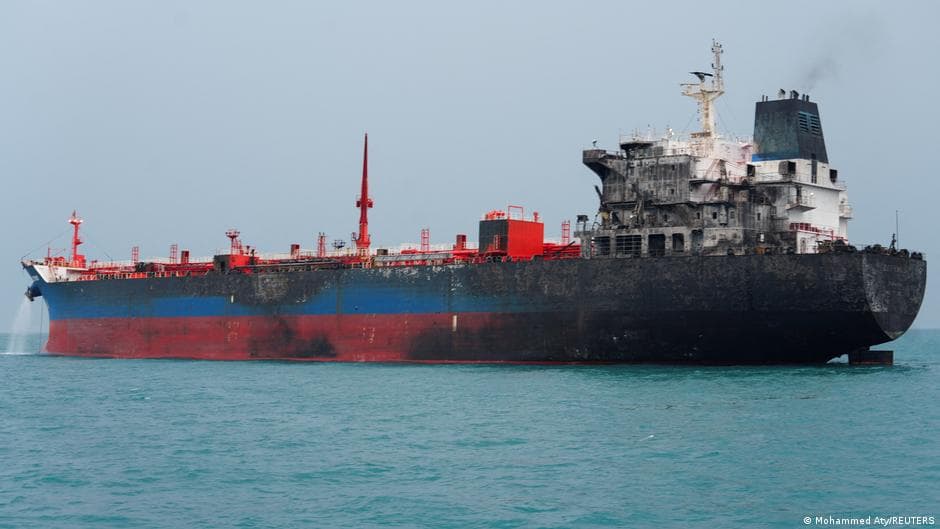
The disruption has already had major economic and maritime effects: Iran’s attacks on shipping and energy infrastructure near Hormuz have caused a backlog of vessels, driven crude prices above $100 a barrel in some reports, and prompted calls for a coordinated emergency oil release.
International energy agencies warned of historic supply shocks, commercial shipping has been struck or harassed in the Gulf, and the United States and IEA allies moved to release emergency reserves to blunt the economic fallout.
Targets and casualties
Khamenei’s message insisted that Iran is primarily targeting foreign military bases rather than neighbouring states themselves, and vowed vengeance for civilians killed in recent strikes — singling out a school attack Iran says killed more than 160 children.
“• Iran’s new leader: In his first purported message since becoming supreme leader, Ayatollah Mojtaba Khamenei said the critical Strait of Hormuz will remain essentially closed as a “tool of pressure” and that Iran’s neighbors are being targeted due to US bases”
Tehran’s spokespeople and state outlets framed base attacks as retaliation and demanded closure of U.S. installations, even as independent and international accounts document strikes that have hit civilian infrastructure and commercial targets.
Health and visibility
The format and delivery of Khamenei’s first message have fuelled intense speculation about his health, whereabouts and who is actually directing policy in Tehran.
State television used a reader to broadcast the remarks, multiple outlets report he has not appeared in public, and several intelligence and media reports say he may have been wounded — raising questions about whether decisions are being made by other senior commanders or institutions.

Escalation and fallout
The wider conflict context underlines Khamenei’s statement: U.S. and Israeli strikes have hit Iran’s leadership and infrastructure, displacement and casualty figures are mounting, and both sides show little sign of stepping back.
“What you need to know - Iran's Supreme Leader, Mojtaba Khamenei, says closure of Strait of Hormuz should be used as leverage - Israel carries out wave of strikes across Beirut - International Energy Agency reports 'historic' oil supply disruption - Iraq halts operations at all its oil terminals after strikes hit tankers - Oman evacuates vessels from key oil expert terminal - Oil prices spike again with Brent crude oil futures near $100 a barrel Follow below for the latest developments in the US-Israel war with Iran on Thursday, March 12”
International agencies warn of a prolonged energy shock while regional displacement and humanitarian strain grow, even as the United States reports extensive strikes and significant short-term financial costs from the campaign.
More on Iran

FBI Warns Iran Could Launch Drone Attack on California From Offshore Vessel
10 sources compared
Iran Keeps Strait of Hormuz Closed, New Supreme Leader Mojtaba Khamenei Declares
10 sources compared

U.S. and Israel Intensify Strikes on Iranian Weapons Sites
11 sources compared

US and Israel Force 3.2 Million Iranians to Flee in Under Two Weeks of War
14 sources compared