
Iran’s Revolutionary Guard Warns It Will Extend Conflict Beyond the Middle East
Key Takeaways
- IRGC warned renewed U.S.-Israeli attacks would extend the war beyond the Middle East.
- The threat is linked to stalled diplomacy over Iran's nuclear program and the Hormuz Strait.
- Warning followed discussions of potential U.S. strikes, including Trump signaling possible action.
Guard warns of wider war
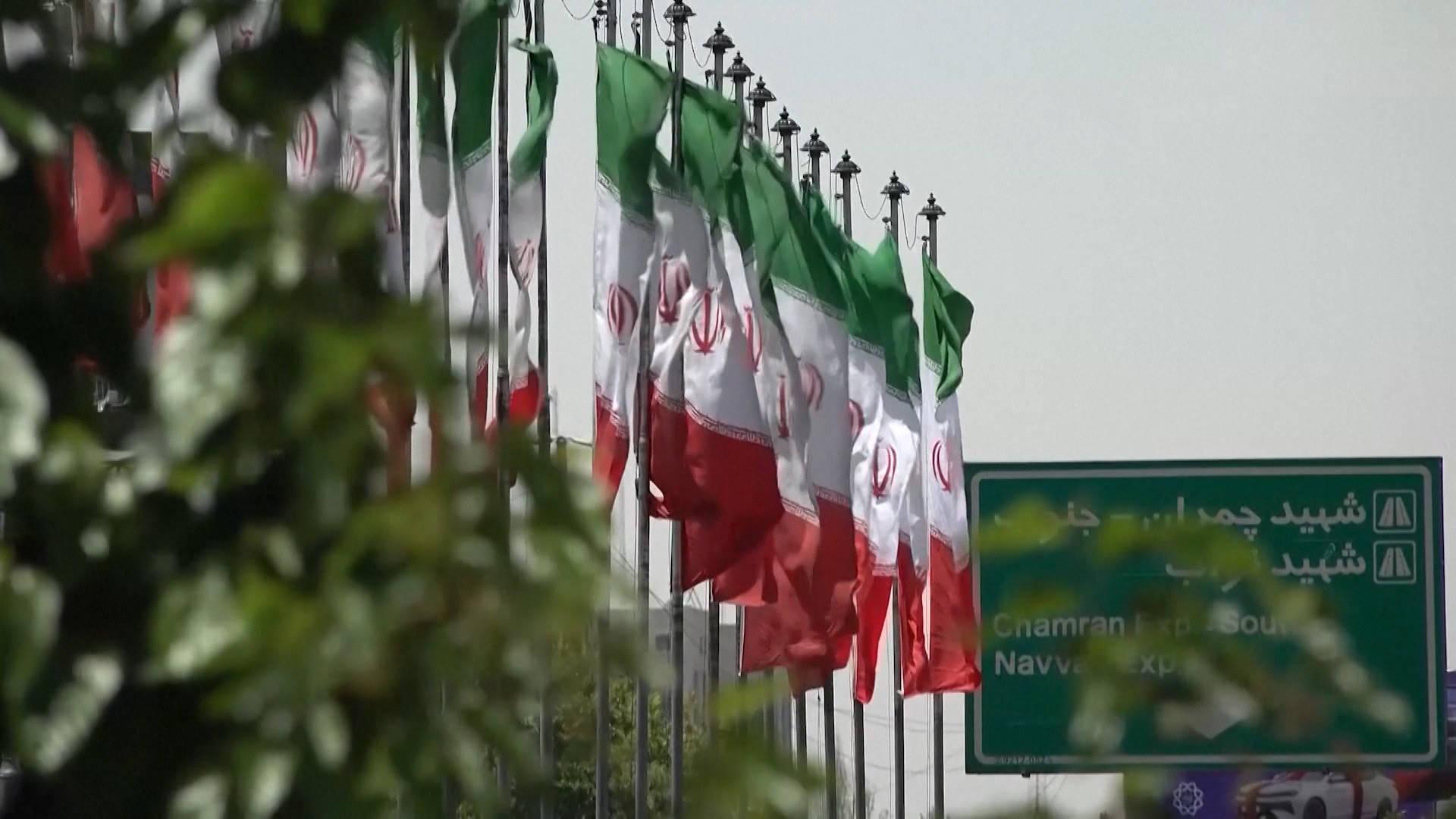
Iran’s Revolutionary Guard warned on Wednesday that if “aggression against Iran is repeated,” it would extend the conflict beyond the Middle East, with the statement carried by Iranian state media saying the promised regional war would “go beyond the borders of the region.”
“Iran's paramilitary Revolutionary Guard on Wednesday issued a strongly worded statement threatening to extend the Middle East conflict "beyond the region" if the U”
The warning came as President Donald Trump said he was “an hour away from making the decision to go today,” before he was persuaded to postpone renewed strikes under a ceasefire that began after Operation Epic Fury was paused.

Negotiations to end the war have “largely stalled,” with Iran submitting a new proposal to Washington that repeated demands Trump has already rejected, including control of the Strait of Hormuz, compensation for war damage, lifting of sanctions, release of frozen assets, and withdrawal of U.S. troops from the region.
The Strait of Hormuz crisis has intensified since the U.S.-Israeli campaign began in February, with Iran largely closing the strait to all vessels except its own and the United States responding last month with its own blockade of Iranian ports.
Against that backdrop, the Revolutionary Guard’s threat raised the stakes for diplomacy, while U.S. officials and analysts cited fears that any renewed attack could spread the conflict to other waterways and regional targets.
U.S. deadlines and Senate push
Democracy Now! reported that Trump said he was “an hour away” from resuming strikes on Iran before he was convinced to postpone the attack, and that Trump also said Iran had “two or three days” to reach a deal to end the war or face renewed attacks.
The same outlet said the U.S. Senate voted Tuesday to advance a resolution to force Trump to end the war in Iran for the first time, with four Republicans—Susan Collins of Maine, Lisa Murkowski of Alaska, Rand Paul of Kentucky and Bill Cassidy of Louisiana—joining most Democrats.
Democracy Now! added that Senator John Fetterman of Pennsylvania was the only Democrat to oppose the bill, while three Republicans—John Cornyn of Texas, Tommy Tuberville of Alabama and Thom Tillis of North Carolina—did not vote.
In parallel, the Inquirer reported that Trump said this week he had postponed a “very major attack” against Iran after Saudi Arabia, the United Arab Emirates, and Qatar asked for more time to pursue an agreement over Iran’s nuclear program.
The Inquirer also described how the dueling messages underscored the “fragile state of diplomacy,” as Iran’s latest proposal included demands such as reparations for war damage and guarantees for Iran’s right to enrich uranium.
Hormuz traffic and next risks
As the standoff continues, shipping monitoring data cited by the Inquirer and other outlets showed the Strait of Hormuz as a central pressure point, with Iran effectively closing the waterway since the early days of the war and rattling global energy markets.
“Iran threatens to strike beyond the Middle East if the U”
Бабель reported that just 54 ships passed through the strait last week, down from about 140 a day before the war, while Reuters data cited there said that on Wednesday, May 20, two Chinese supertankers—Yuan Gui Yang and Ocean Lily—passed through with approximately 4 million barrels of oil.
The same Бабель account said a South Korean-flagged tanker, the Universal Winner, carrying 2 million barrels of Kuwaiti oil, was leaving the strait after more than two months in the Persian Gulf, bringing the total number of tankers leaving the Strait of Hormuz to 6 million barrels.
Inquirer reported that the standoff has put “growing strain on a monthlong ceasefire that mediators are scrambling to keep alive,” and said Pakistan’s interior minister Mohsin Naqvi arrived in Tehran on Wednesday for his second visit in a week.
With the Revolutionary Guard warning of escalation beyond the region if attacks resume, the sources framed the immediate stakes as whether the ceasefire can hold while talks remain stalled over the Strait of Hormuz and Iran’s nuclear program.
More on Iran

JD Vance Says US-Iran Not Yet Final On 60-Day Ceasefire, Iran Denies MoU Reports
14 sources compared
Trump Holds Situation Room Meeting on Iran Deal to Reopen Strait of Hormuz, Destroy Uranium
11 sources compared
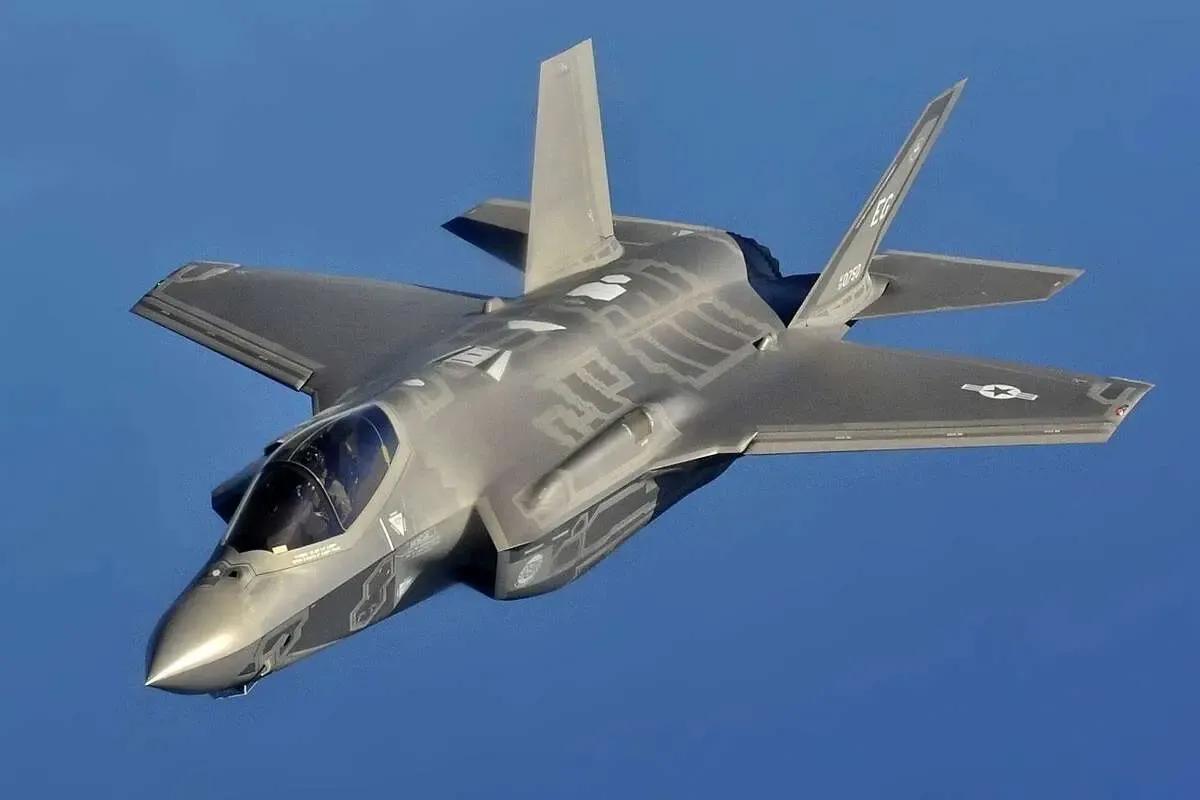
CENTCOM Denies US Aircraft Shot Down Near Iran’s Bushehr, Citing All Assets Accounted
13 sources compared

Trump Ends Situation Room Meeting On Possible U.S.-Iran 60-Day Ceasefire And Nuclear Talks
53 sources compared