
Iran's Revolutionary Guards Threaten to Choke Off Middle East Oil Flows
Key Takeaways
- Threats to close or disrupt the Strait of Hormuz risk choking Middle East oil flows.
- Saudi Aramco warned Strait disruptions could have catastrophic consequences for global oil markets.
- Gulf energy leaders warned markets amid escalating Iran-related conflict.
Strait of Hormuz tensions
Iran's Islamic Revolutionary Guard Corps issued an explicit threat to choke off Middle East oil exports, saying it would not allow "one liter of oil" to be exported by hostile states and partners if US and Israeli attacks continue.
“Saudi Aramco warned that continued disruption to shipping in the Strait of Hormuz could have “catastrophic consequences” for global oil markets as the conflict involving Iran intensifies”
The warning came amid a broader regional confrontation and followed President Donald Trump’s public messages to Tehran, including a warning not to disrupt tanker traffic through the Strait of Hormuz and a pledge that the US would strike Iran "much harder" if it tried to stop oil shipments.
The threat has been reported alongside accounts that Iran’s moves could amount to a near-total closure of the Strait.
Oil market reaction
Markets reacted with acute volatility as traders assessed the risk to shipments.
Brent crude briefly jumped to about $118–$119 a barrel before tumbling after Mr. Trump’s remarks calmed markets.
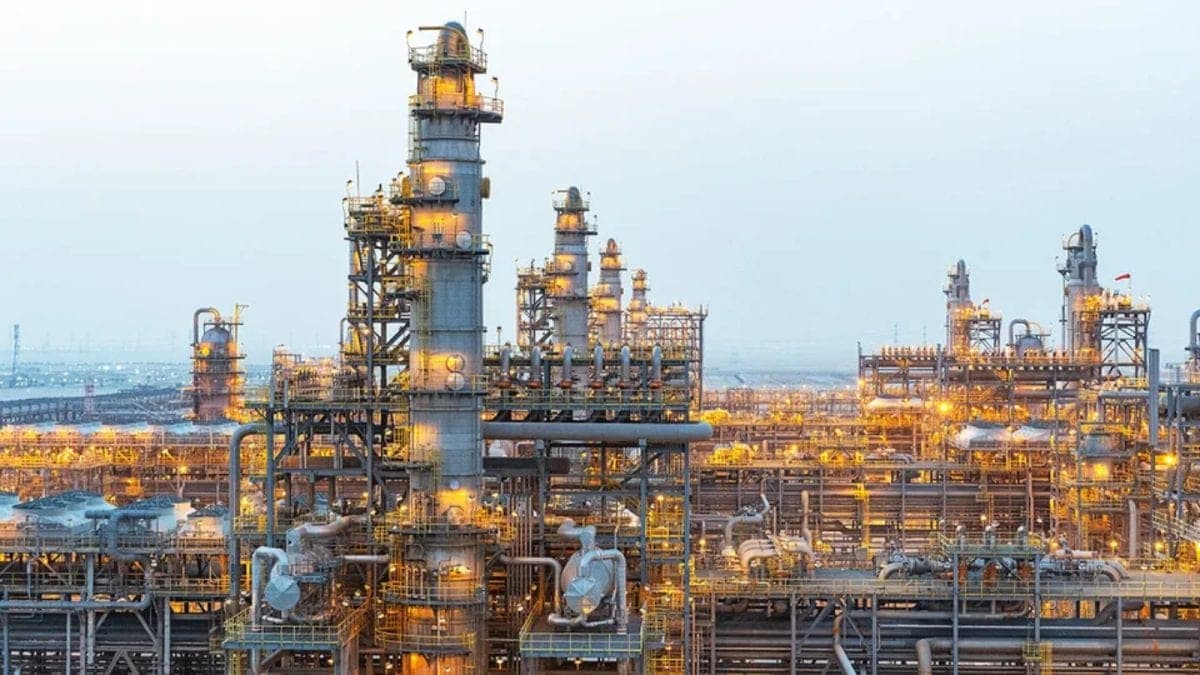
Energy executives and state leaders repeatedly warned of catastrophic damage from any prolonged closure.
They described the situation as "by far the biggest crisis" the region's oil and gas industry has faced and cautioned that extended disruption would produce "catastrophic consequences."
Gulf oil supply disruptions
The tangible impact on supply was visible in reported production cuts and transportation changes, with sources citing sharp reductions across Gulf producers—roughly 2–2.5 million barrels per day in Saudi output and about 2.9 million bpd in Iraq—along with smaller cuts in the UAE and Kuwait, while exporters halted Gulf shipments and rerouted crude.
“Iran’s Revolutionary Guards threatened to choke off Middle East oil flows on Tuesday if US and Israeli attacks continue, but crude prices fell after President Donald Trump suggested the war with Iran may soon wind down”
Observers said about 20% of the world’s daily oil supply normally transits the Strait, and several producers from Saudi Arabia to Bahrain invoked force majeure amid the disruptions.
Aramco oil warnings
Saudi Aramco and other industry leaders responded with operational shifts and stark warnings.
Aramco halted Gulf exports and began rerouting crude through the East–West pipeline to Yanbu.
Aramco's CEO and other energy chiefs warned of rapid inventory drawdowns and the possibility of oil spiking far higher.
A QatarEnergy executive said prices could reach $150 a barrel and "bring down the economies of the world."
Economic spillovers and responses
Officials warned of broader economic spillovers and were reported to be weighing policy responses.
“Aramco Warns Of ‘Catastrophic’ Oil Market Impact As West Asian Energy Majors Raise Alarm From Riyadh to Doha, oil bosses are sounding the alarm”
Sources said higher fuel costs risk renewed inflation and that the White House was considering measures such as releasing strategic reserves, easing sanctions on Russian crude, and coordinating with allies to contain the fallout.
Trade disruptions already cited include impacts on aviation, agriculture and automotive sectors, underscoring how a sustained Strait closure could cascade through global markets.
More on Iran-Israel

Escalation in Iran Pushes Oil Near $120, Sparks Gas Price Surge in Los Angeles
10 sources compared
U.S. Intercepts Iran Message Activating Sleeper Cells After U.S.-Israel Strike Kills Khamenei
14 sources compared

Iran Threatens To Confiscate Property Of Iranians Abroad Who Support US And Israel
14 sources compared

Ukraine Sends Drones, Experts to Shield U.S. Bases in Jordan From Iran
16 sources compared