
Iran's Rial Plummets to 1.58 Million Per Dollar Amid Economic Collapse and US Blockade Threat
Key Takeaways
- Rial hits around 1.3 million per USD in Iran's markets.
- Food prices feared to surge due to currency collapse.
- Sanctions and regional tensions worsened Iran's currency collapse.
Rial Collapse
Iran's currency plunged sharply in the free market, with rates hovering around 1.58 million Rial per US dollar.
“Iran's rial has fallen again and reached a historic record high of more than 1,300,000 rials per U”
The value of the Iranian rial reached its lowest level in the country's markets, with each US dollar trading at 1,300,000 rials according to RFI.
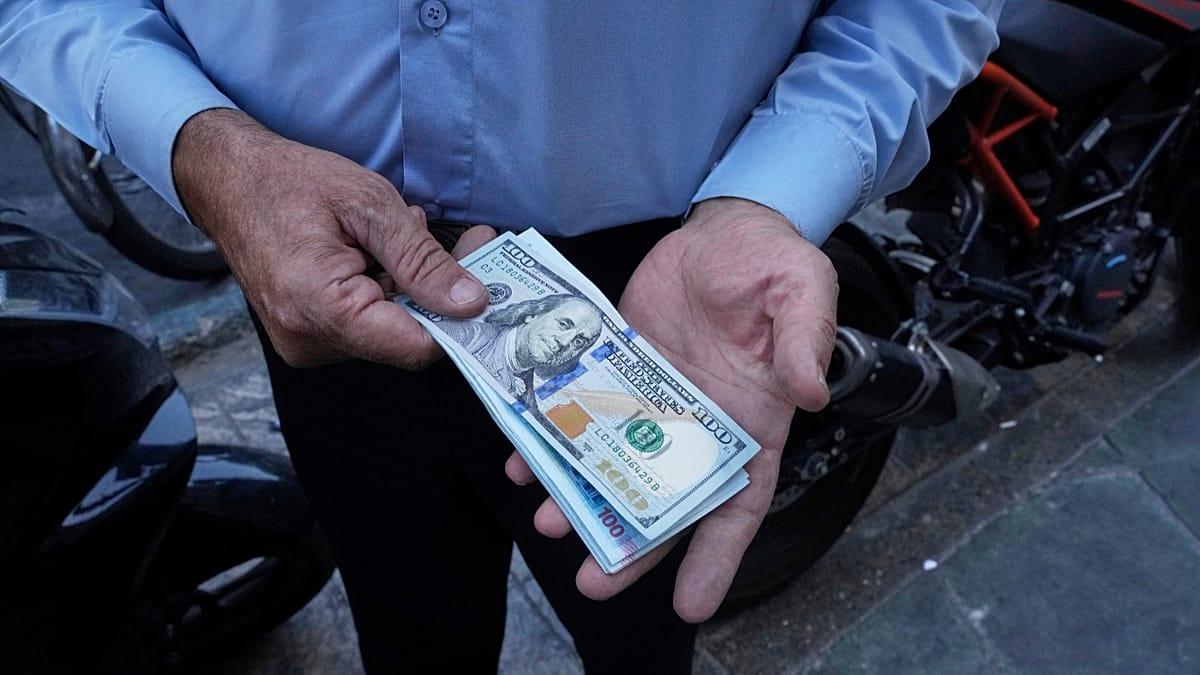
Traders in Tehran's free market quoted the dollar at 1,307,000 rials as reported by Euronews.
This unprecedented fall intensified concerns about rising food prices, with the Statistical Center of Iran reporting that prices of foods and beverages had risen by 46.1 percent.
The economic strain intensified alongside fresh geopolitical escalation, as the US military said it would begin a blockade of all Iranian ports.
US-Engineered Dollar Shortage
The dollar shortage in Iran was engineered by simultaneously blocking two main channels for foreign exchange.
US Treasury Secretary Scott Bassant admitted that Washington engineered the dollar shortage to drive the Iranian rial into free fall.
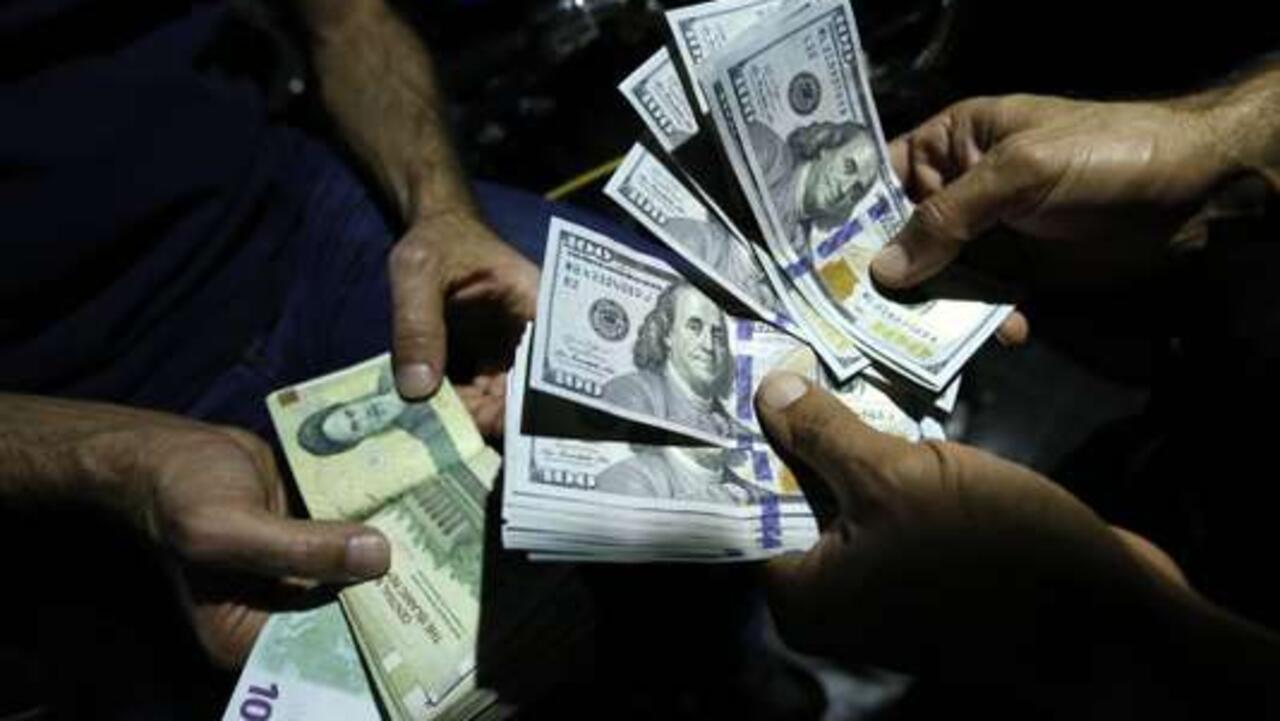
Bassant said: What we at the Treasury have done is create a dollar shortage in the country.
The collapse of the national currency triggered severe inflation and widespread protests.
Any comprehensive peace agreement would need to lift sanctions and release frozen funds.
Economic Devastation
Iran emerged battered from the conflict, with widespread job losses, surging prices and large-scale infrastructure damage.
“Iran’s currency has plunged sharply in the free market, with rates hovering around 15,69,410–15,80,000 Rial per US dollar, underlining deepening stress in an economy battered by war, sanctions and internal disruption, according to Bonbast data”
Factories, power plants, railways, airports and bridges were hit.
Trade ties with Gulf states were severed.
Strikes hit key production centres including the South Pars gas field and petrochemical units.
Inflation accelerated sharply, with some prices rising by as much as 40% since the war began.
Businesses across sectors were forced to shut, and mass layoffs hit construction, retail and services.
Supply Chain and Trade Collapse
Economic ties with Gulf countries were strained, with one official saying the conflict had created a huge trust gap.
The disruption cascaded across supply chains, forcing dependent industries to halt operations.
Analysts warned that the accelerating fall of the rial could fuel a vicious circle of rising prices and shrinking purchasing power.
The United Nations activated the snapback mechanism in late September.
The scale of damage suggested major industrial facilities could take months or years to repair.
More on Iran

JD Vance Says US-Iran Not Yet Final On 60-Day Ceasefire, Iran Denies MoU Reports
14 sources compared
Trump Holds Situation Room Meeting on Iran Deal to Reopen Strait of Hormuz, Destroy Uranium
11 sources compared
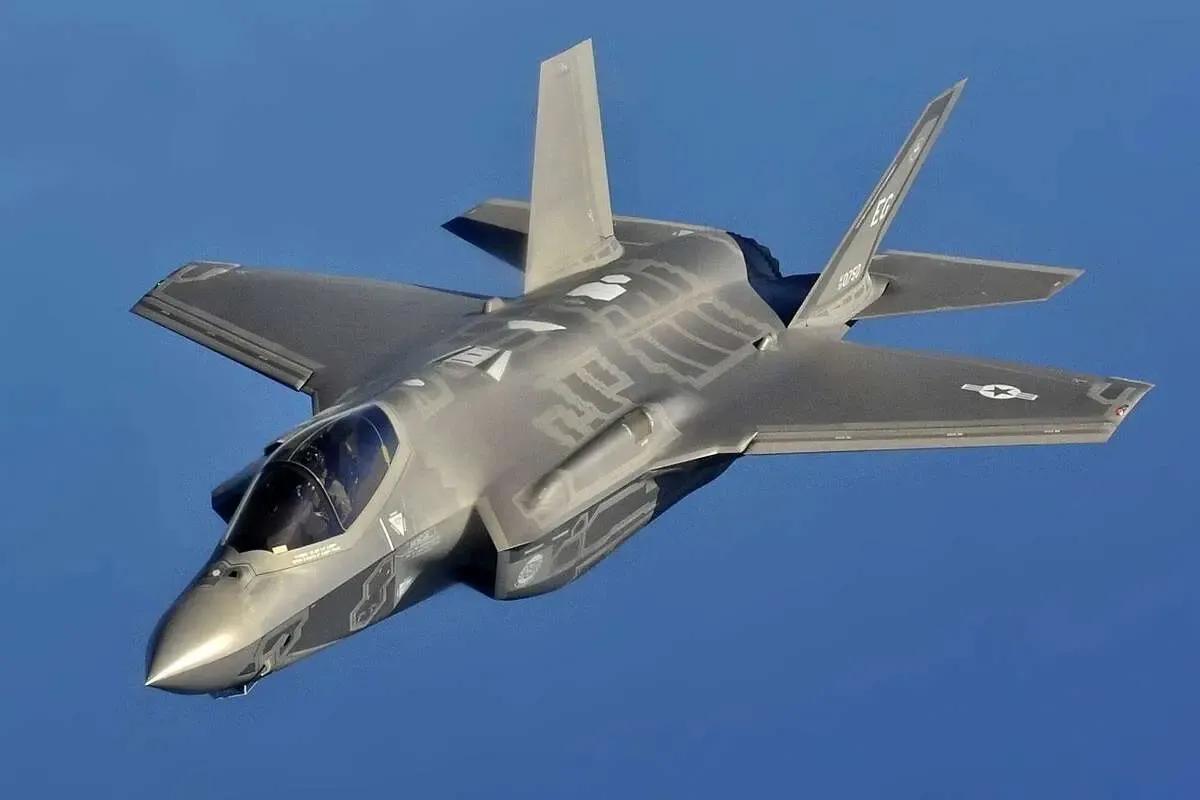
CENTCOM Denies US Aircraft Shot Down Near Iran’s Bushehr, Citing All Assets Accounted
13 sources compared

Trump Ends Situation Room Meeting On Possible U.S.-Iran 60-Day Ceasefire And Nuclear Talks
53 sources compared