
Iran's Shahed Drone Campaign Fuels Global Boom In Interceptor Drone Sales
Key Takeaways
- Gulf states rapidly purchasing interceptor drones to defend critical infrastructure from Iranian Shaheds
- Surging global demand for cheap interceptor drones outstrips manufacturers' production capacity
- Gulf buyers turn to Ukraine's Sting interceptors after their success intercepting Shaheds
Demand spike from Shaheds
The surge of Iran-launched Shahed loitering munitions across the Middle East has driven a sharp spike in global demand for cheap interceptor drones, with manufacturers reporting a dramatic increase in inquiries and orders.
“- The war in the Middle East has surged interest in cheap interceptor drones, manufacturers say”
Business Insider reports that “the war in the Middle East has surged interest in cheap interceptor drones, manufacturers say” and that “Most requests are coming from Gulf States trying to protect critical infrastructure, they said.”
Companies also describe daily inquiries that previously occurred only “once or twice a month,” underscoring the sudden and region-wide market shock.
Shift to hard-kill systems
Buyers are prioritising “hard-kill” counterdrone systems rather than electronic jamming, prompted by the cost and mass nature of Shahed attacks and gaps in traditional air defenses.
Business Insider notes prospective clients are “largely shifting their focus from anti-drone jammers to ‘hard-kill’ solutions,” and highlights that Shaheds cost roughly “$20,000 to $50,000 each,” making expensive surface-to-air missiles impractical for mass engagement.
That dynamic is pushing Gulf states and some European buyers toward kinetic interceptors and single-use collision or explosive countermeasures.
Ukrainian interceptors' appeal
Ukrainian-made interceptors like the Sting have emerged as a notable model: they are cheap, fast, and have proven effective in combat, generating substantial international interest but also highlighting export and production constraints.
“- The war in the Middle East has surged interest in cheap interceptor drones, manufacturers say”
Business Insider reports that Wild Hornets — maker of the Sting — has seen inquiries rise from “one or two business inquiries daily” to “several dozen per day.”
El País describes the Sting’s performance and limits, noting it “can exceed 180 kilometers per hour,” “activates when an enemy device is detected at a distance of about 15 kilometers,” but “only has a flight autonomy of 15 minutes or 30 kilometers.”
Export and capacity limits
Despite demand, Ukrainian firms face legal and practical limits on exports and production capacity, and many producers emphasise that Ukraine remains the priority.
Business Insider explains a wartime law “broadly blocks drone exports from the country,” and quotes Wild Hornets saying “These are requests, not what we've agreed to... 'Our priority is Ukraine's defense.'”
El País adds that Kyiv purchases some Wild Hornets equipment and that Wild Hornets says “export is currently not permitted” while also stating they are open to “granting production licenses to partner companies.”
Operational challenges
Operational deployment, training needs, and security risks complicate rapid transfer of interceptors: manufacturers and operators warn about the need for experienced pilots, coordinated platoon tactics, and vulnerability to intelligence operations.
“- The war in the Middle East has surged interest in cheap interceptor drones, manufacturers say”
El País emphasises the importance of trained crews and describes how Wild Hornets organises teams into platoons with radar and multiple launch positions to handle waves of Shahed-like devices.
El País also warns about possible electronic or intelligence threats by referencing “hacks like those carried out in 2024 by the Israeli intelligence services of the communication systems of the Lebanese Shiite militia Hezbolá.”
Business Insider notes many companies have said prospective buyers were focused on protecting “critical infrastructure, such as airports and power grids,” highlighting the operational stakes for purchasers.
More on Iran
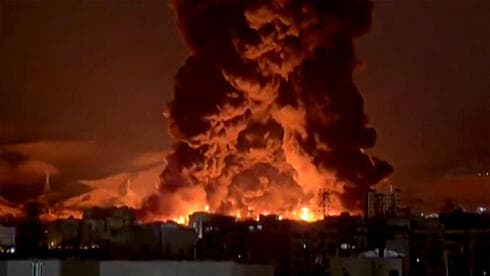
Trump Says U.S. Bombed Military Sites on Kharg Island, Iran's Oil Hub
14 sources compared
FBI Warns of Iranian Drone Plot Based on Unverified Tip; California Says No Credible Threat
10 sources compared

White House Demands ABC Retract Report Claiming Iran Sought To Launch Drone Attacks On California
11 sources compared

Iranian Proxy Claims It Shot Down US Refueling Plane in Iraq; US Military Says Otherwise
17 sources compared