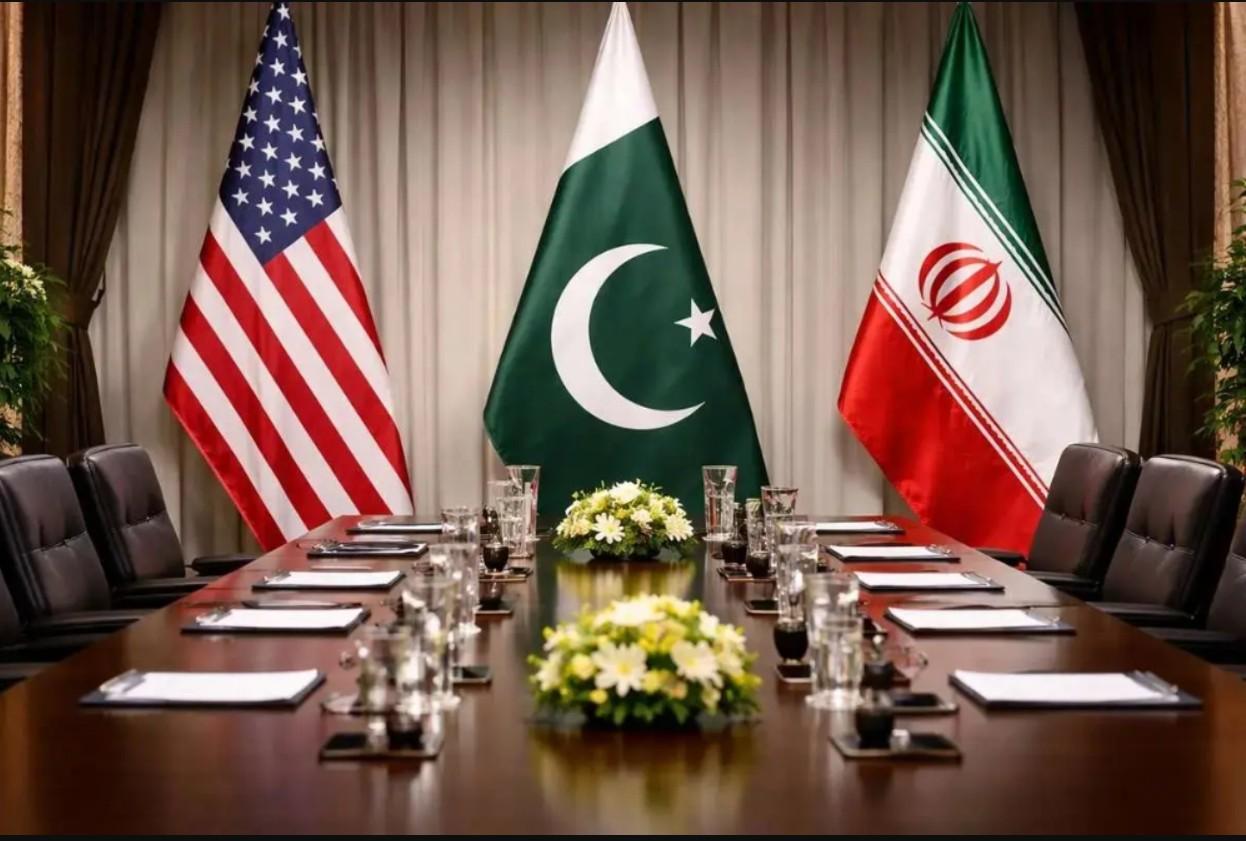
Iran–US Framework Would Lift Naval Blockade, Restore Strait of Hormuz Ship Levels
Key Takeaways
- Iran alleges enemies wage hidden hybrid war via economic pressure, cyberattacks, terrorism, psychological warfare.
- Unofficial framework would lift naval blockade and restore Hormuz traffic to pre-war levels.
- Maritime passages would be jointly managed by Oman and Iran.
MoU on Hormuz
A reported Iran–US framework would have the United States fully lift the naval blockade on Iran while Iran restores the number of ships transiting the Strait of Hormuz to pre-war levels, with military vessels excluded from the agreement.
“Iran’s Intelligence Ministry says the enemies, having failed to achieve their professed objectives through military aggression, are now intensifying attempts to destabilize the Islamic Republic through economic pressure, cyberattacks, terrorism, and psychological warfare”
The framework says maritime passage management would be carried out jointly by Oman and Iran, and the United States would withdraw its military forces from areas surrounding Iran, though whether this includes forces deployed to the region or stationed at regional bases remains subject to further negotiations.
It adds that if a final agreement is reached within 60 days, the deal would reportedly be approved by the United Nations in the form of a binding resolution.
Iran also stated it will not take any steps toward implementing the deal without “concrete verification,” and the framework of the Islamabad MoU has not yet been finalized.
Hybrid war claims
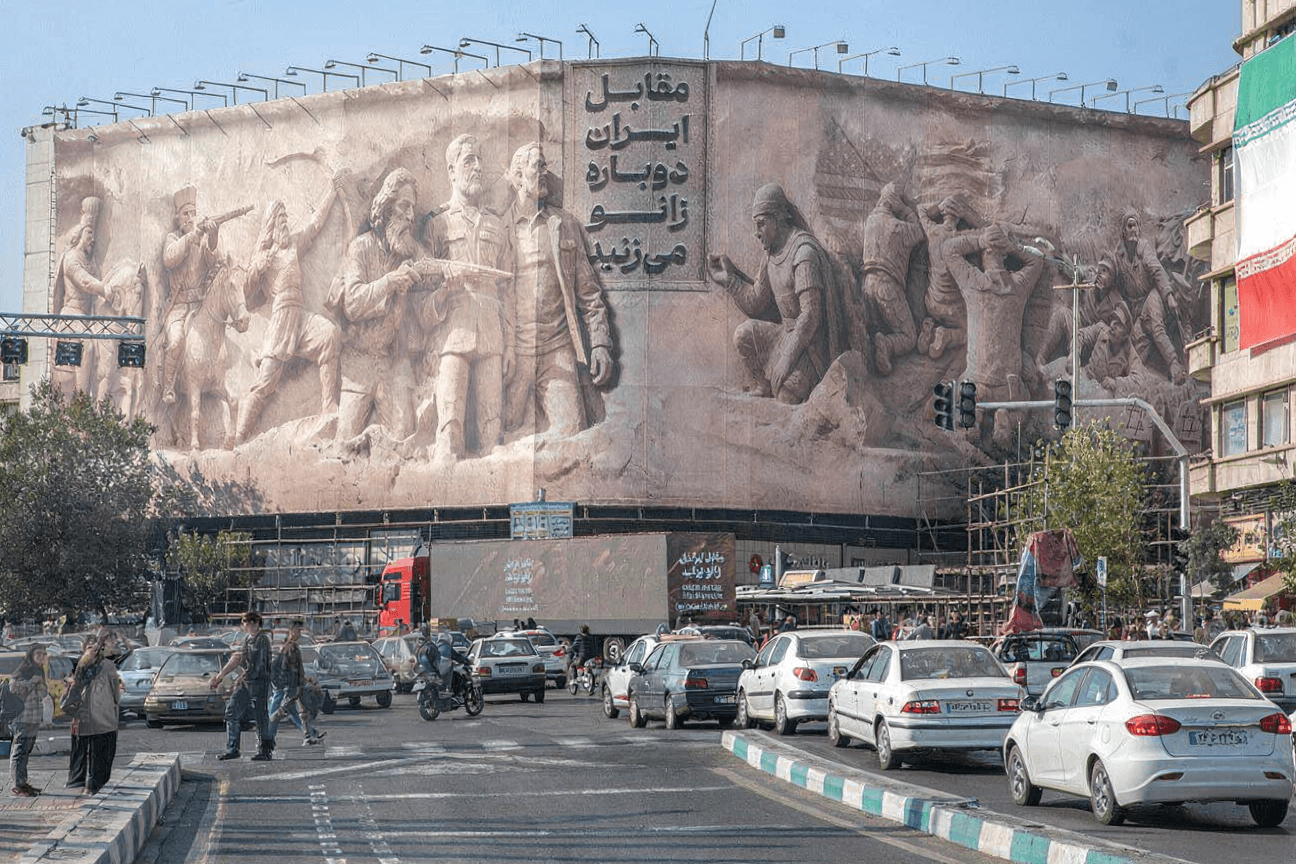
Iran’s Intelligence Ministry warned that enemies, having failed to achieve their professed objectives through military aggression, are intensifying attempts to destabilize the Islamic Republic through economic pressure, cyberattacks, terrorism, and psychological warfare.
In a statement released on Wednesday, the ministry said hostile powers are seeking to compensate for their defeat on the battlefield by escalating a “hidden intelligence-security war” against Iran.

The ministry also said the US and Israel initiated a war of aggression against Iran on February 28, some eight months after they carried out unprovoked attacks on the country, and it described Ayatollah Seyyed Ali Khamenei as “martyring” in that context.
It further warned against efforts to incite ethnic and religious tensions and said “Zionist-backed terrorist groups” are being deployed for sabotage operations and border attacks, particularly in Iran’s northwestern and southeastern regions.
Kharg Island defenses
A plan described for Kharg Island centers on a hybrid, multilayer defense system meant to make any attempt to seize or attack the island an expensive undertaking.
“The utmost strategic importance of Kharg Island to Iran has driven the construction of a hybrid, multilayer defense system designed specifically to make any attempt to seize or attack it an expensive undertaking”
The article says Kharg Island covers no more than 20 square kilometers, forms the lifeline through which about 90% of the country’s oil exports flow, and houses enormous reservoirs capable of holding 30 million barrels.
It describes thousands of naval mines and anti-personnel and anti-armor mines laid around the island’s coastline designed to explode on contact, and it says Iran relies on an upgraded version of the Chinese Vanguard-2 missile, locally known as the Mithaq, for hit-and-run tactics.
The piece also notes that Washington is aware of these challenges and points to the USS Tripoli carrying F-35B aircraft and the USS Boxer carrying about 2,200 Marines, while it raises questions about how capable U.S. intelligence is of detecting hidden defenses and avoiding surprises in the Kharg trap.
More on Iran

Iranians Reconnect After 88-Day Internet Shutdown as Masoud Pezeshkian Orders Access Restored
17 sources compared

Iran Accuses U.S. of Ceasefire Violation After Self-Defense Strikes
23 sources compared
Ali Akbar Velayati Says Strait of Hormuz Is Iran’s Real Guarantor of Nuclear Deal
15 sources compared
Donald Trump Says US Not Satisfied With Iran Talks, Demands Gulf Normalization With Israel
23 sources compared