
Iranians Reconnect After 88-Day Internet Shutdown as Masoud Pezeshkian Orders Access Restored
Key Takeaways
- Iran's 88-day internet shutdown was the longest nationwide outage in modern history.
- Partial connectivity resumed, with home broadband returning in some areas while mobile remained blocked.
- Internal authority clashes delayed the restoration decision, reflecting a broader power struggle.
88 Days, Partial Return
Iranians began reconnecting to the global internet after an 88-day shutdown imposed during the war with the United States and Israel, with Reuters reporting that Iranian President Masoud Pezeshkian issued an order to reopen international internet access.
“'From worse to bad': Iranians lukewarm over internet blackout end Iran's move to reconnect the country to the global internet after an almost three-month blackout has left many Iranians unimpressed, with full connectivity far from restored and access seen as a right that shouldn't have been taken away in the first place”
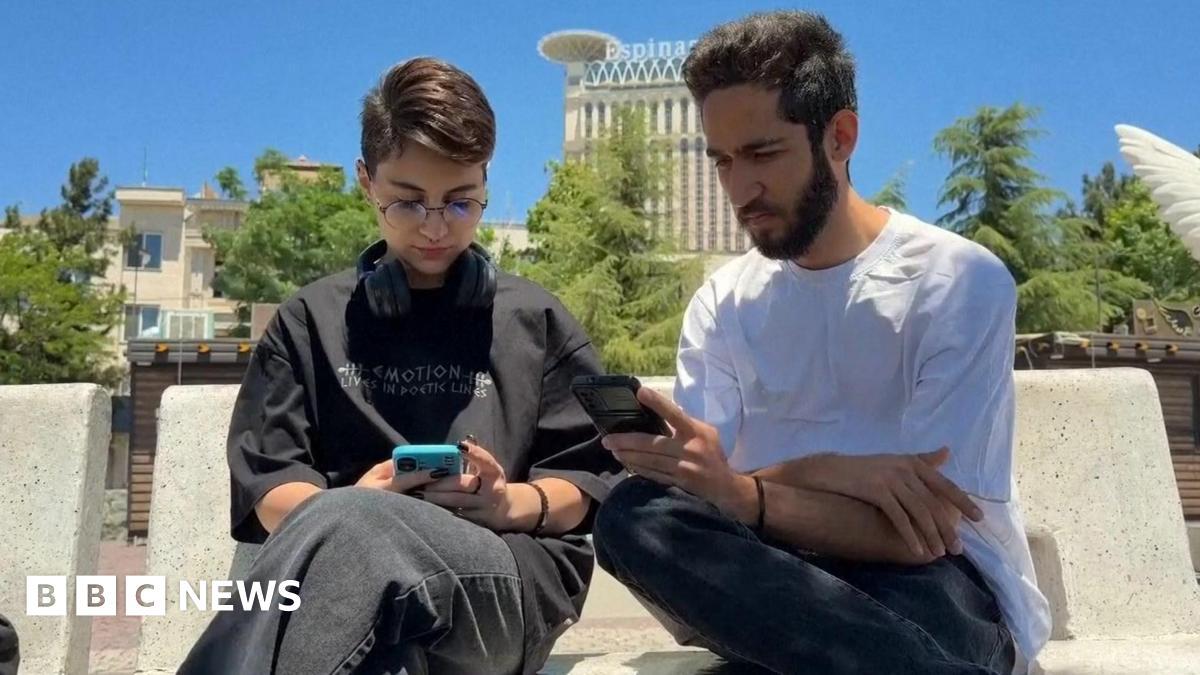
Reuters quoted engineering student Kian Galvani saying, "I’ve never been so happy in my life to see Telegram notifications," as social media came back to life.
NetBlocks said the process was incomplete, and the Guardian reported that internet access began to return just after 3.30pm local time in Iran, reaching more than a third of its previous normal level.
The Guardian also said NetBlocks recorded a total of 2,093 hours of near-total isolation from international networks, while Kentik data cited by the Guardian indicated Iran’s access was still less than 10% of pre-shutdown levels.
France 24 reported that home broadband connections resumed in some areas while mobile internet remained largely blocked, leaving many Iranians reliant on VPNs to access international websites and social media.
Relief, But Not Enough
Even as access returned, Iranians described mixed feelings and ongoing limits, with Al-Monitor saying full connectivity was "far from restored" and that many sites remained filtered.
Al-Monitor quoted Tehran nutritionist Bahareh, 32, saying, "I feel that it was just a switch from worse to bad," and adding that even before the shutdown they "didn't really have free internet."
The Guardian reported that Doug Madory of Kentik said the restoration so far appeared "selective," and it noted that IranCell appeared to have been connected only briefly.
France 24 said state news agencies reported that "full international internet connectivity has been restored" for users of fixed broadband services, but NetBlocks had not confirmed that claim.
Al-Monitor also cited Article 19 saying there were "conflicting reports" about the extent of internet access, with some estimates saying connectivity was still as low as 39 percent.
Power, Economy, and Control
The partial reopening unfolded alongside disputes over who controls internet governance, with the Guardian describing an interim administrative court order questioning the authority of the body overseeing the move called the "special headquarters for leading the country’s cyberspace".
“(CNN) -- Iranian President Masoud Bezhskian issued an order to authorities to begin restoring Internet service to the population, thereby ending the longest Internet outage ever experienced by any country in history”
CNN Arabic reported that Iranian President Masoud Bezhkian issued an order to begin restoring internet service, but said the delay reflected how anxious the Islamic Republic was about citizens gaining access to information without restrictions.
CNN Arabic described a centralized structure at the top of which sits the Supreme Council of Cyberspace, established by decree of Supreme Leader Ali Khamenei in 2012 and comprising 27 members.
RFE/RL quoted former US diplomat Charles Dunne saying the reopening suggested the regime was "feeling more confident at the moment" after weathering the US and Israeli onslaught.
The Guardian warned that the blackout had contributed to thousands of Iranians losing their jobs and that Sattar Hashemi said restoring the internet would be a gradual process, with "significant damage to the digital economy, online businesses and the country’s service industries" at stake.
More on Iran

CSIS Says U.S. Needs At Least Three Years To Rebuild Tomahawk Stockpiles After Iran War
16 sources compared
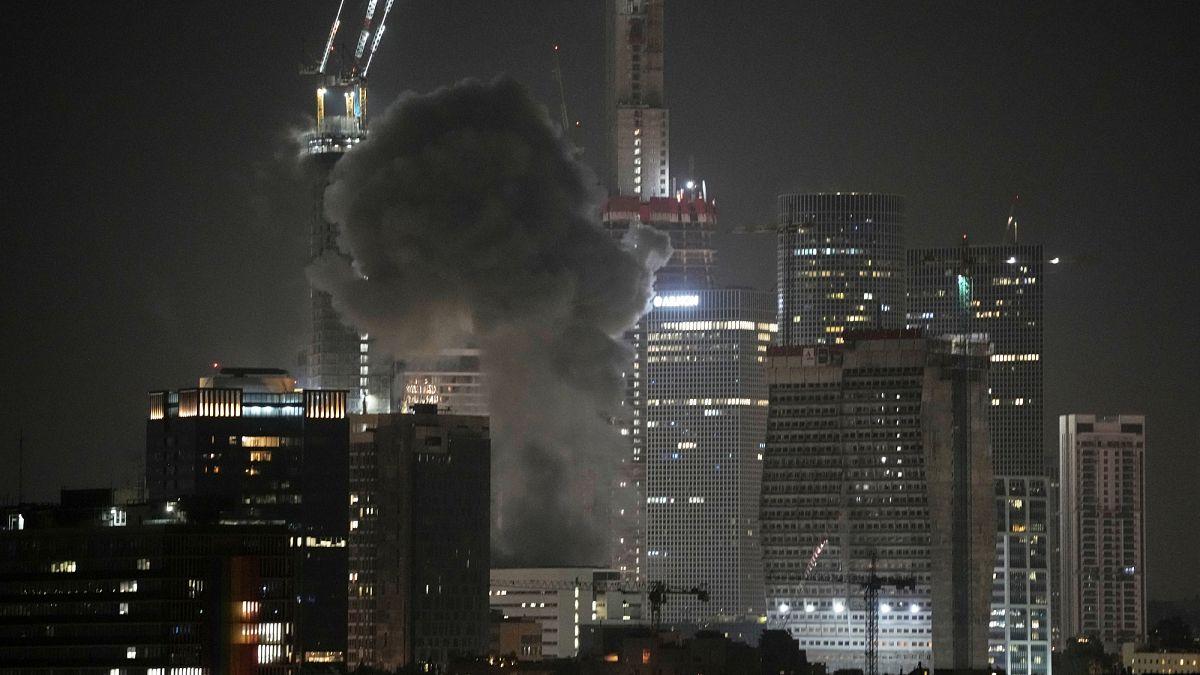
IRGC Aerospace Launches 65th Wave Of Va’d-e Sadegh 4, Striking Haifa And Ashdod Refineries
11 sources compared

Iran Accuses U.S. of Ceasefire Violation After Self-Defense Strikes
23 sources compared
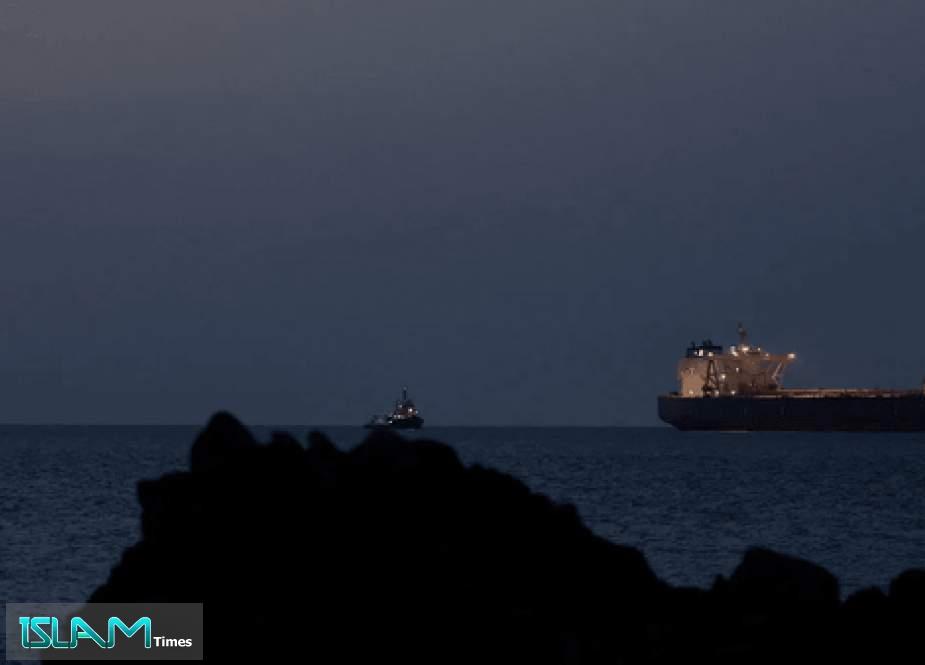
Ali Akbar Velayati Says Strait of Hormuz Is Iran’s Real Guarantor of Nuclear Deal
15 sources compared