
CSIS Says U.S. Needs At Least Three Years To Rebuild Tomahawk Stockpiles After Iran War
Key Takeaways
- CSIS analysis finds U.S. missile stockpiles depleted by Iran war require years to rebuild.
- It will take at least three years to replenish Tomahawk, Patriot, and THAAD inventories.
- Depletion creates a window of vulnerability for future engagements.
Rebuilding after Iran war
A new CSIS analysis says the United States may need at least three years to rebuild key missile stockpiles depleted during the Iran war, with some inventories taking even longer to recover.
The analysis, cited by Associated Press and described by the Los Angeles Times, says the time needed to rebuild those inventories has become a major concern for future conflict planning, particularly in the western Pacific.
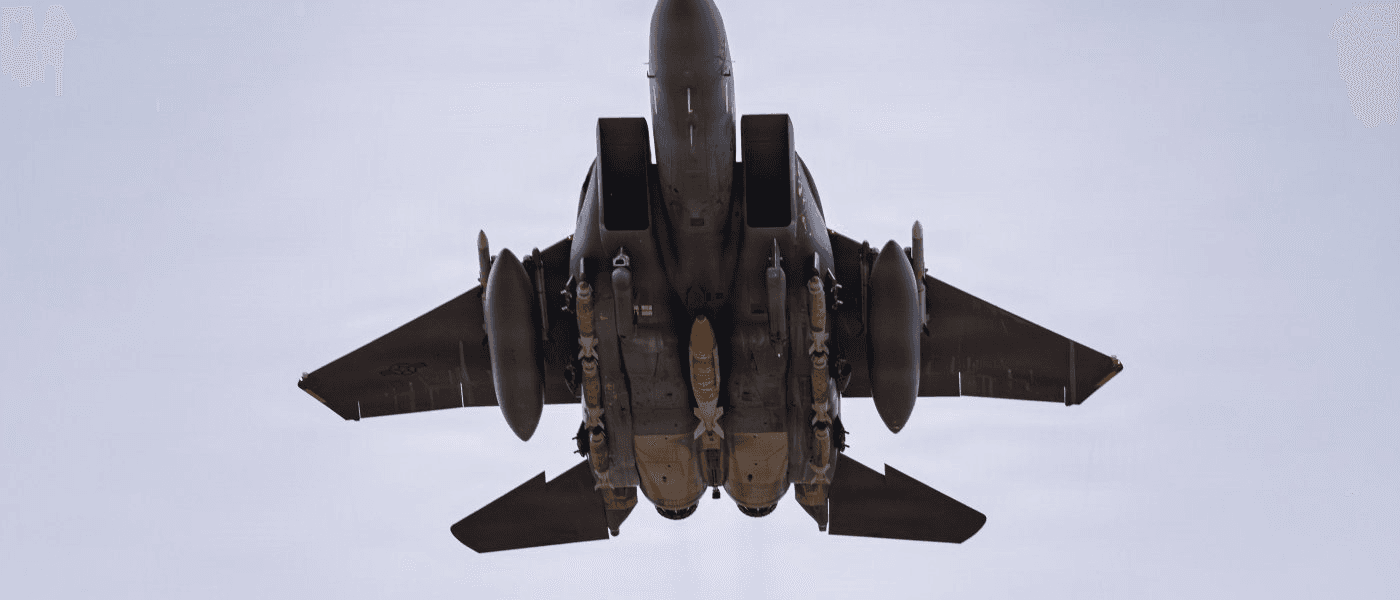
The report warns that depleted inventories have created a "window of vulnerability" if another conflict breaks out in the western Pacific, even as the Trump administration argues it is expanding production capacity.
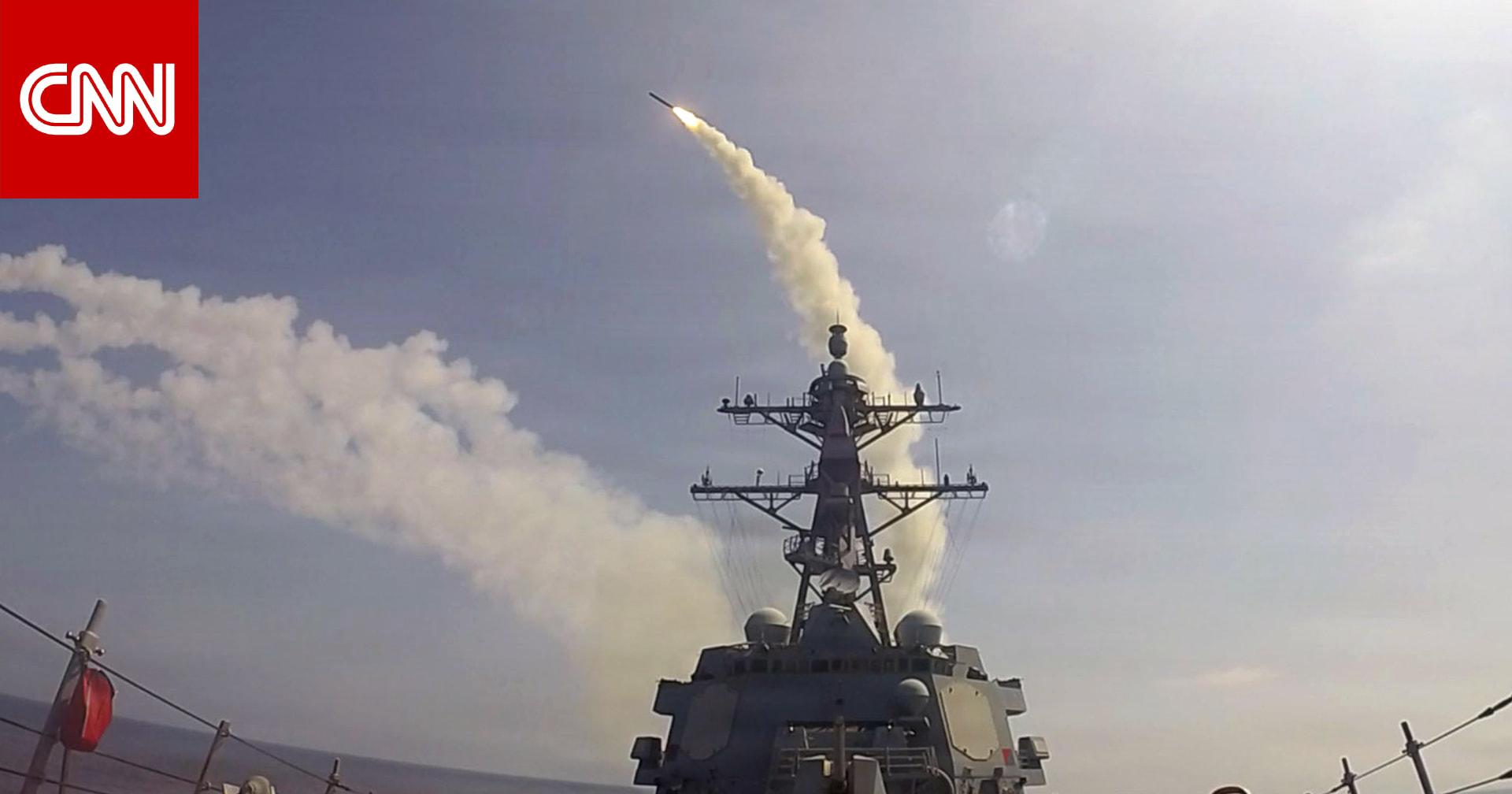
In the same analysis, CSIS estimates the U.S. fired more than 1,000 Tomahawk missiles during the Iran conflict, and it says rebuilding those inventories may take until late 2030.
Pentagon and critics clash
President Donald Trump and Defense Secretary Pete Hegseth insist the U.S. remains fully capable of handling any future conflict, while Chief Pentagon spokesman Sean Parnell said the military "has everything it needs to execute at the time and place of the President’s choosing."
During a Cabinet meeting, Hegseth praised Trump’s push to strengthen American defense manufacturing, saying private contractors were building new plants and production lines "so that we’re getting weapons faster than ever".
Virginia Burger, a former Marine officer and defense analyst at Project On Government Oversight, pushed back by telling the AP that if the U.S. goes to another fight, "we are drawing down our stockpiles to a critical level," even in the most conservative estimates.
The Los Angeles Times also frames the issue as time rather than money, quoting the CSIS report that "the problem today isn’t money; it’s time," and describing how production speed limits replenishment despite the $1.5-trillion defense budget proposal for 2027.
China, Taiwan, and allies
The analysis ties the stockpile risk to tensions between Washington and Beijing, noting that China has repeatedly stated it wants its military prepared to take Taiwan by force if necessary by 2027.
“Before the outbreak of the war, the Chairman of the Joint Chiefs of Staff, General Dan Kin, along with other military leaders, warned President Donald Trump that any prolonged military campaign could affect the United States’ weapon stockpiles, especially those designated to support Israel and Ukraine, according to CNN reports previously”
The Los Angeles Times says analysts see thin stockpiles as complicating U.S. promises to arm Ukraine and allies while deterring a potential Chinese move against Taiwan, and it quotes CSIS that the window of vulnerability will last "for several years until inventories return to their previous levels."
The Hill adds that CSIS predicted it would take three or more years to replace Tomahawk Land Attack Missiles (TLAM), Terminal High Altitude Area Defense missile systems, and Patriot air defense interceptor missiles, which it describes as "heavily used" in the conflict.
The Hill also reports that the U.S. used more than 1,000 TLAMs during the Iran war but received 207 deliveries of the weapon in 2026, while the Trump administration requested 785 TLAMs for fiscal 2027.
More on USA

Trump Refuses to Sign 21st Century Road to Housing Act, Bill Becomes Law Automatically
18 sources compared
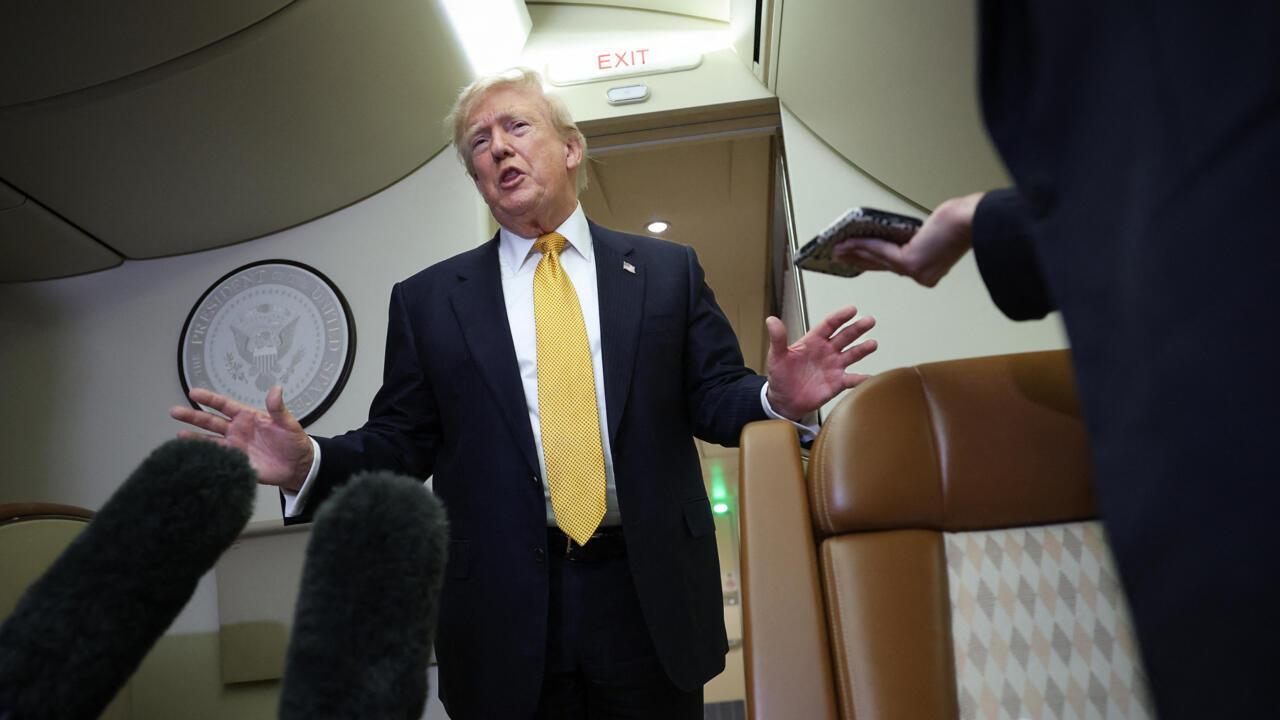
Trump Switched Aircraft After Israeli Intelligence Warned Of Iran Plot To Assassinate Him
18 sources compared

Nolan Xavier Wells Death Investigation Underway After Fourth of July Boat Trip to Horn Island, Mississippi
10 sources compared

Russia Declassifies Volhynia Massacre Archives, Citing UPA OUN Led by Stepan Bandera
15 sources compared