
IRGC Threatens to Strike U.S. Facilities in UAE
Key Takeaways
- IRGC warns it could strike US facilities in the UAE, calling them legitimate targets.
- Iran vows retaliation for U.S. strikes on Kharg Island and disruption of UAE energy hub.
- Iranian authorities say they may target origins of U.S. missile launches in Emirati cities.
IRGC Threat Declaration
The Islamic Revolutionary Guard Corps (IRGC) has issued a direct threat to strike U.S. military facilities located within the United Arab Emirates.
“ANI |Updated:Mar 14, 2026 19:45 IST Tehran [Iran], March 14 (ANI):Iran's military on Saturday launched a fresh wave of missiles as part of ongoing strikes against regional adversaries amid the West Asia conflict,Iranian state media Press TV reported”
In a formal statement, the IRGC explicitly warned UAE residents to evacuate ports, docks, and U.S. military shelters to avoid civilian casualties.

The IRGC framed these potential strikes as retaliation against what it described as 'American enemy missile launches' originating from UAE locations.
This represents a significant escalation in the regional conflict, with Iran directly threatening its Gulf neighbor's infrastructure and civilian populations due to the presence of U.S. military assets.
Escalating Attacks on UAE
The Iranian threat follows a series of escalating attacks against UAE territory, with the Ministry of Defence reporting that nine ballistic missiles and 33 drones were launched from Iran toward the UAE on March 14, 2026.
These attacks represent the latest in a growing pattern of Iranian strikes targeting Gulf infrastructure, bringing the total to 294 ballistic missiles, 15 cruise missiles, and 1,600 drones launched from Iran since the war began.

The IRGC specifically mentioned targeting branches of U.S. banks in the Gulf, while also warning about attacks on hotels, civilian high-rises, and key oil infrastructure across the region.
This coordinated assault demonstrates Iran's capability to strike multiple targets simultaneously and its willingness to expand the conflict beyond direct military engagements to economic and civilian targets.
International Reactions
The UAE threat has triggered significant international reactions and regional resentment, with Gulf Arab capitals increasingly frustrated at being drawn into a conflict they neither initiated nor endorsed.
“The latest: Iran warned it could target U”
Regional sources have told Reuters that resentment is mounting in Gulf capitals as they pay both economically and militarily for a war they didn't choose.
Meanwhile, European countries are becoming increasingly implicated in the conflict, despite a former NATO chief expressing doubt that allies will be pulled further into the confrontation.
British officials are actively discussing 'a range of options to ensure the security of shipping in the region,' suggesting coordinated international efforts to contain the spillover effects.
Strategic Waterway Impact
The strategic significance of these threats cannot be overstated, as they directly impact the Strait of Hormuz - a critical global energy chokepoint through which about 20% of the world's oil supply passes daily.
Tankers carrying crude from Saudi Arabia, Iraq, Kuwait, Qatar and the United Arab Emirates all transit this narrow waterway before reaching global markets.
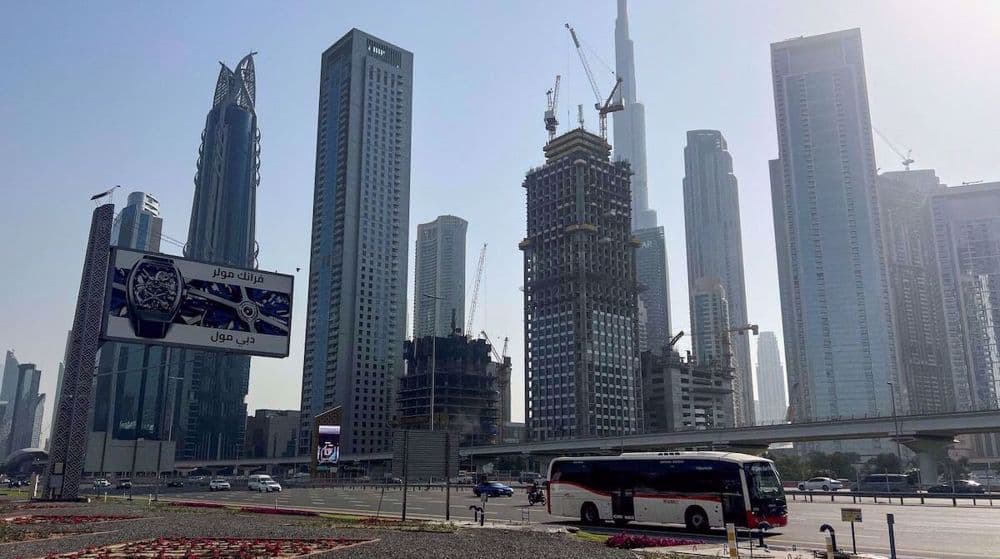
While Iran itself contributes only 3-4% of global oil supply, its geographic position along the Strait of Hormuz gives it the ability to threaten a far larger portion of global energy flows.
Iran's naval doctrine emphasizes asymmetric tactics, including naval mines, fast-attack boats and anti-ship missiles, with estimates suggesting Iran possesses between 2,000 and 6,000 naval mines that could severely disrupt maritime traffic in the strategic waterway.
Economic Impact
The economic consequences of these threats and attacks are already being felt globally, with oil prices experiencing sharp volatility due to the massive disruption in energy supplies.
“Main Points - Iranian regime releases first statement from new supreme leader who says the closure of the Strait of Hormuz should be continued and US bases will be attacked - US was responsible for missile strike on elementary school, investigation finds - More than three million displaced since Iran conflict began, says UN agency - Oil markets are now facing the “largest supply disruption in history” as the war in Iran continues to block tankers from producing and shipping millions of barrels of crude each day, the world energy watchdog has warned Key Reads - Beirut’s new reality: Sudden air strikes, shattered homes and a surge in the displaced - Vincent Durac: Trump’s ‘little excursion’ could leave Iran even more fragmented, unstable and violent - Keith Duggan: A vintage Trump performance in America’s heartland: Electoral fraud, Obama-bashing, ‘Newscum’ That is all for this evening”
The conflict has created the biggest oil supply disruption in history, pushing prices significantly higher as maritime traffic has been halted in the region that delivers a fifth of the world's oil.

Fujairah, located outside the Strait of Hormuz, serves as the outlet for about 1 million barrels per day of the UAE's Murban crude oil - a volume equal to about 1% of world demand.
The fire that broke out in Fujairah after debris fell during drone interception has further disrupted oil loading operations in this major bunkering hub.
Meanwhile, Iran has continued to ship oil at a rate of 1.1 million to 1.5 million barrels per day, much of it going to China, the top global crude importer, demonstrating the complex economic dynamics at play in this conflict.
Future Military Escalation
Looking ahead, the conflict shows no signs of de-escalation, with both sides indicating they will continue and potentially intensify their military operations.
Iran has vowed to increase its usage of upgraded weapons, particularly ballistic missiles and other missiles with greater destructive power, as part of its broader offensive strategy.
Iranian Supreme Leader Mojtaba Khamenei has explicitly stated that the strategic Strait of Hormuz should remain closed as a tool of pressure against adversaries.
Meanwhile, U.S. President Donald Trump has threatened to strike Iran's oil infrastructure on Kharg Island unless Tehran stops attacking vessels in the Strait of Hormuz.
Trump also suggested that other countries may provide military support to reopen the waterway, marking the first time he has publicly acknowledged that the U.S. may need international assistance to maintain freedom of navigation in this critical waterway.
More on Iran

Iran Threatens UAE Ports, Urges Evacuation as US Strikes Kharg Island
86 sources compared
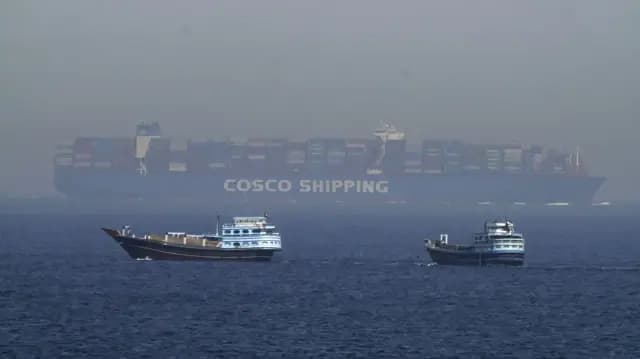
Iran Considers Allowing Limited Oil Tanker Passage Through Strait of Hormuz if Traded in Yuan
10 sources compared

US Strikes Iran's Kharg Island Military Sites
14 sources compared

Unknown attackers fire missiles at U.S. Embassy in Baghdad
43 sources compared