
Israel And Hezbollah Ceasefire Delays U.S.-Iran Talks In Switzerland, Swiss Foreign Ministry Confirms
Key Takeaways
- U.S.-Iran talks in Switzerland were postponed amid Lebanon-Israel-Hezbollah clashes.
- Israel and Hezbollah agreed to a ceasefire in Lebanon, affecting negotiations.
- U.S. Vice President JD Vance delayed a planned trip to Switzerland, aiding postponement.
Talks derailed by Lebanon
Planned U.S.-Iran negotiations in Switzerland were postponed after intensified fighting between Israel and Hezbollah threatened the Washington-Tehran talks, with the Swiss foreign ministry confirming the planned talks would not take place.
“US-Iran talks postponed as Israel launches deadly strikes in Lebanon A new round of direct talks between the US and Iran have been postponed after Vice-President JD Vance delayed a planned trip to Switzerland”
NBC News reported that President Donald Trump told the network in a phone call Friday that he spoke with Israel and asked them to agree to a ceasefire, calling it "a positive" and saying it was "It's a little icing on the cake."
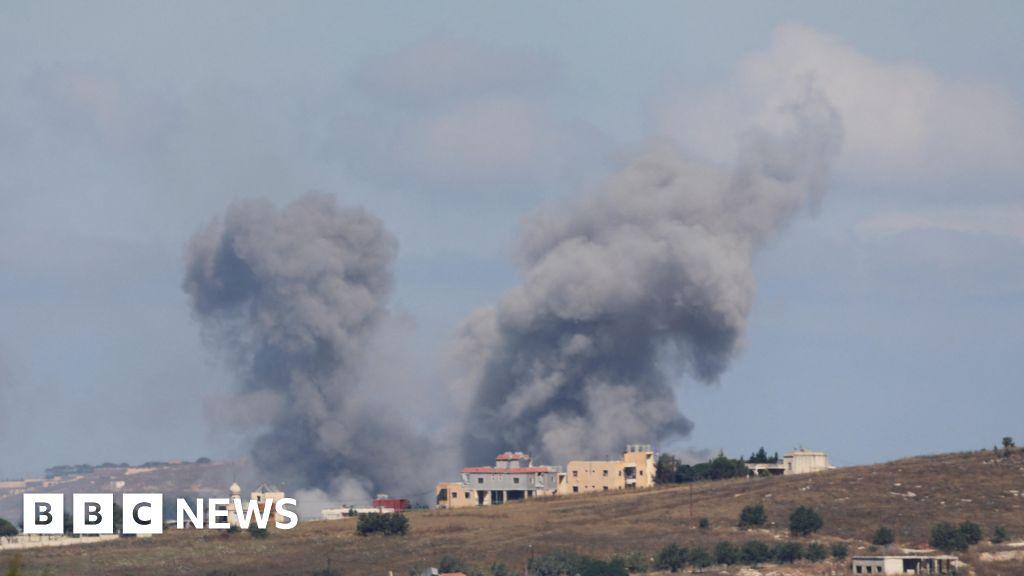
The ceasefire framework followed an interim U.S.-Iran agreement signed earlier this week that stipulated that all fighting on all fronts, including Lebanon, must end immediately.
CNN reported that the ceasefire was set to renew after fighting in Lebanon jeopardized the U.S.-Iran negotiations, and that the next round was abruptly scrapped amid a flare up in violence between Israel and Hezbollah.
BBC reported that the ceasefire between Israel and Hezbollah came into effect at 16:00 local time (14:00 BST) after U.S. and Iranian negotiators were due to meet for "technical discussions" on the next steps of the U.S.-Iran deal agreed earlier this week.
Ceasefire claims and blame
Israel’s Ambassador to the United States, Yechiel Leiter, said Israel was "firmly committed to an immediate ceasefire" and wrote that at 11:30 a.m. local time Israel halted all offensive operations while Hezbollah and Iranian claims were "bold lies."
CBS News reported that Hezbollah and Israel reached a ceasefire agreement Friday after violence flared as a test of the durability of the U.S.-Iran deal signed by President Trump just two days earlier.

In Lebanon, the BBC reported that Israeli military spokesperson, Brig Gen Effie Defrin, said, "We are in a ceasefire. The [Israel Defense Forces] IDF is prepared to continue fighting if called upon to do so."
The Guardian reported that national security minister Itamar Ben-Gvir called for scorched earth in Lebanon, saying, "All of Lebanon must burn," as Israel and Hezbollah traded their most violent strikes since the ceasefire was established.
CNN also reported that U.S. Special Envoy Steve Witkoff was headed to Switzerland as Washington and Tehran worked to get technical talks back on track after an initial delay, with mediators reorganizing the talks as the clock ticked on the 60-day period.
What’s at stake next
The cancellation of the Switzerland talks left the 60-day window for a final deal as the central deadline, with CNBC reporting that the U.S.-Iran memorandum of understanding aimed to extend the ceasefire and reopen the Strait of Hormuz.
“What to know about the Iran war today: - Israel and Hezbollah reached a ceasefire agreement Friday to end their fighting in Lebanon, three diplomats briefed on the matter told CBS News”
CNN reported that with the Strait of Hormuz officially open to commercial shipping traffic following the U.S.-Iran agreement signed on June 17, at least 12 vessels crossed the Strait of Hormuz on Friday, including 5 tankers and 7 cargo ships, according to data from Marine Traffic.
BBC said the deal included reopening the Strait of Hormuz and that it binds both sides to achieving a final deal in a "maximum" of 60 days, which could be extended with mutual consent.
DW reported that Switzerland’s foreign ministry confirmed the peace talks were postponed, with no new date given, and that Vice President JD Vance stayed in the U.S. after skipping the planned trip to meet Iranian negotiators in Switzerland.
In the midst of the diplomatic disruption, CNBC quoted a White House spokesperson saying, "The plans for the upcoming technical talks have not been finalized," while the White House also said the U.S. delegation had been prepared to depart at the first available opportunity.
More on Iran
Israel and Hezbollah Agree Ceasefire After Lebanon Airstrikes Killed 47
12 sources compared

Congress Could Block Donald Trump’s Iran MOU Sanctions Waivers Under INARA
12 sources compared

Iran’s Leaders Back US-Iran Memorandum Red Lines as Switzerland Talks Postponed
21 sources compared

Israel And Hezbollah Ceasefire Hits As Iran Suspends U.S. Talks In Switzerland
26 sources compared