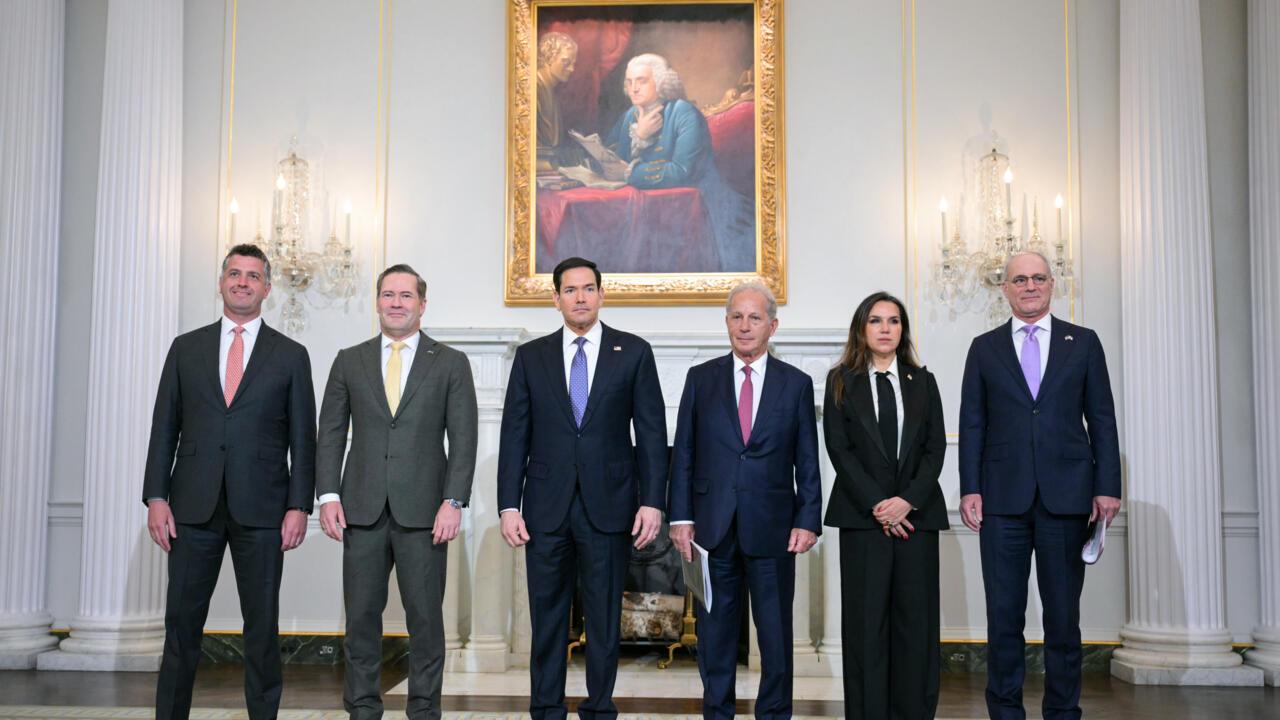
Israel And Lebanon Hold First Direct Talks Since 1993 In US-Facilitated Meeting
Key Takeaways
- Lebanon and Israel held direct talks in Washington, first since 1993, US-mediated.
- Ambassadors discussed a ceasefire and steps toward direct negotiations, with further talks planned.
- The talks concluded with agreement to proceed to further direct negotiations.
Historic Israel-Lebanon Talks
Israel and Lebanon held their first direct diplomatic talks since 1993 in a rare encounter facilitated by the United States.
“Please enable cookies”
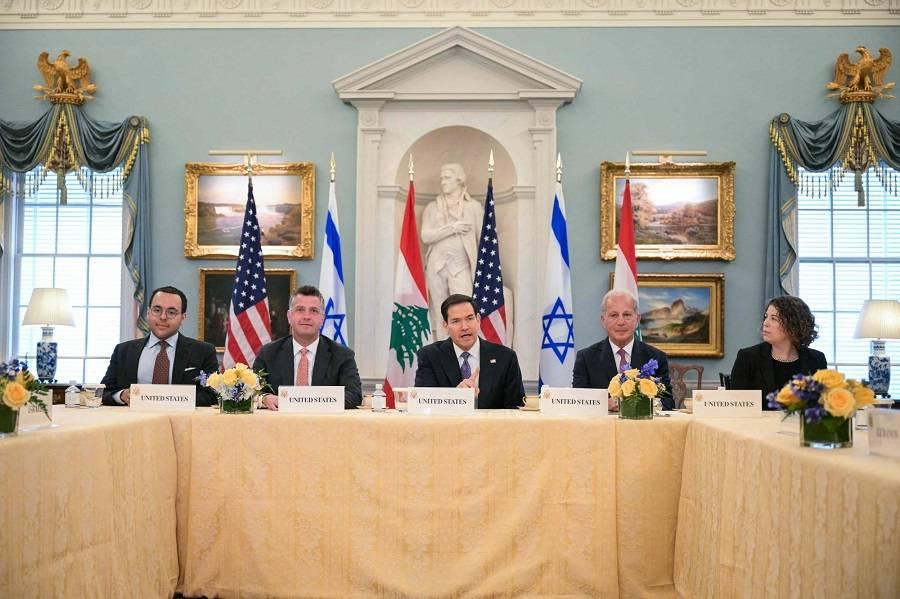
The meeting was attended by Lebanon’s ambassador Nada Hamadeh Moawad, Israeli ambassador Yechiel Leiter, and US Secretary of State Marco Rubio.

The US State Department described the meeting as a historic opportunity and announced that all sides had agreed to launch direct negotiations at a mutually agreed time and venue.
Lebanon called for a ceasefire and measures to address the severe humanitarian crisis.
Israel expressed its commitment to engage in direct negotiations to resolve all outstanding issues and achieve a durable peace.
Hezbollah opposed the talks and said it would not abide by any agreements resulting from them.
Diverging Agendas
The two sides approached the talks from vastly different starting points.
Israel attended with instructions not to agree to a ceasefire, instead demanding the dismantling of Hezbollah’s weapons.
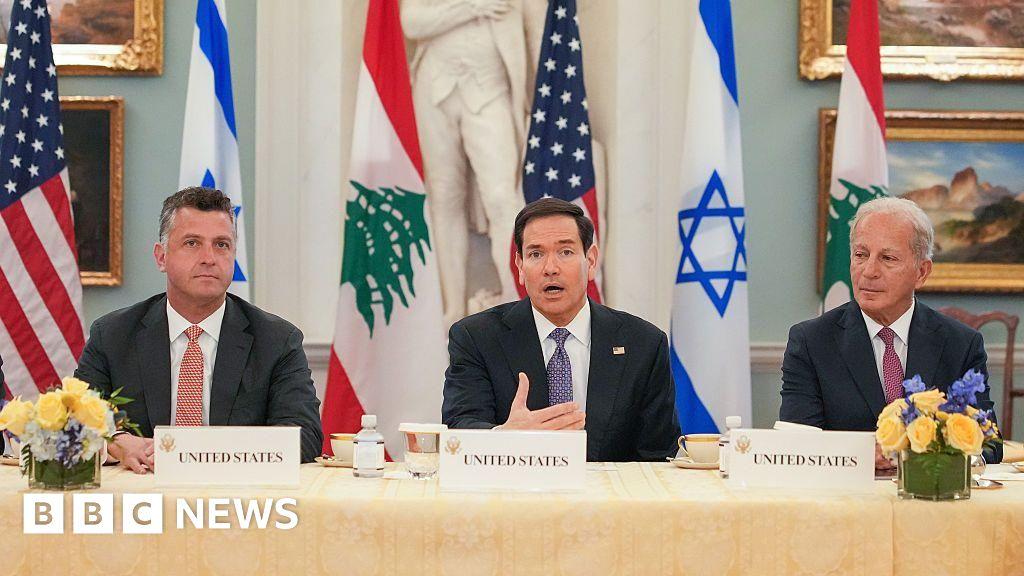
Lebanon called for a ceasefire and concrete measures to address the humanitarian crisis.
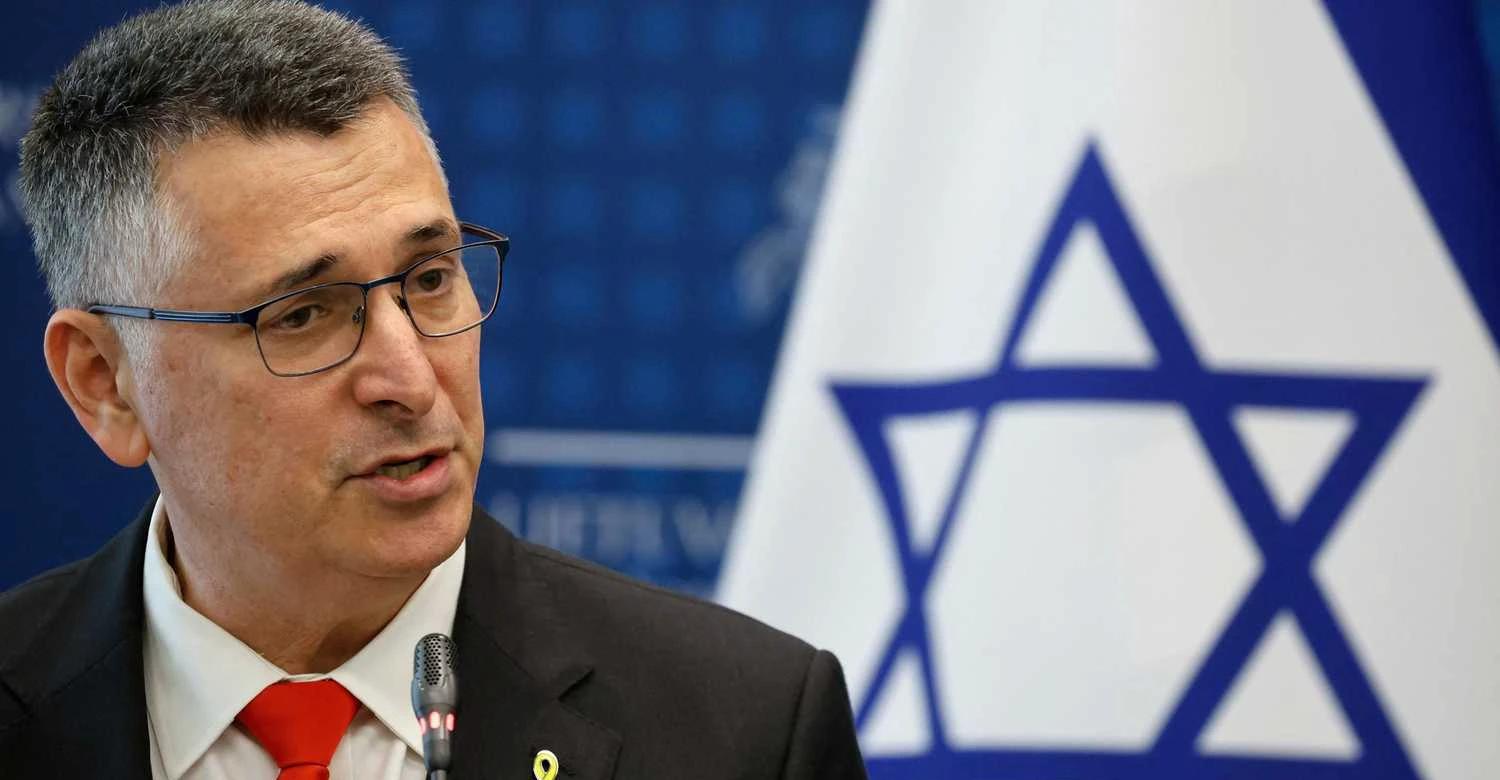
Israeli Ambassador Leiter said the two countries are on the same side of the equation in liberating Lebanon from Hezbollah.
Analysts warned that a durable Israel-Lebanon deal remains unlikely given Israel’s demand that Hezbollah fully disarm and Lebanon’s weak central government.
The US military claimed no ships passed its Strait of Hormuz blockade, despite reports to the contrary.
US-Iran Talks and Regional Impact
The Israel-Lebanon talks occurred as the Trump administration sought to revive peace negotiations with Iran.
“Skip to main content 23 hours ago - Politics & Policy Rubio to host Israeli, Lebanese ambassadors for talks amid ceasefire effort Barak Ravid email (opens in new window) sms (opens in new window) facebook (opens in new window) twitter (opens in new window) linkedin (opens in new window) bluesky (opens in new window) Add Axios as your preferred source to see more of our stories on Google”
President Trump said a second round of talks could happen over the next two days in Pakistan.
Vice President JD Vance expressed optimism, saying Iranian negotiators wanted to make a deal.
The Treasury announced it would not renew the 30-day waiver on Iranian oil, set to expire on April 19.
The blockade of Iranian ports was in its second day as Washington pressured Tehran to relinquish control of the Strait of Hormuz.
The war had killed at least 3,000 people in Iran, more than 2,100 in Lebanon, 23 in Israel, and 13 US service members.
More on Other
Israel And Lebanon Agree To Direct Negotiations After Washington Talks
17 sources compared
Israel and Lebanon Hold First Direct Peace Talks Since 1993 in Washington
16 sources compared

NASA Artemis II Crew Returns Safely After Record-Breaking Moon Voyage
16 sources compared

Israel Reprimands Spain After Netanyahu Effigy Packed With Explosives Blown Up
14 sources compared