
Israel And Lebanon Hold Historic Talks In Washington To Disarm Hezbollah
Key Takeaways
- Lebanon and Israel held direct talks in Washington, mediated by the United States.
- Israel seeks Hezbollah disarmament and a ceasefire amid ongoing hostilities.
- First direct talks in decades signal a historic diplomatic opening.
Historic Talks
Lebanon and Israel held their first direct diplomatic talks in 43 years on April 14, 2026, at the U.S. State Department in Washington, D.C.
“The ambassadors of Lebanon and Israel joined United States-brokered talks in Washington, DC, with Lebanese authorities seeking to secure a ceasefire, while Israel’s goal is the disarmament of the Hezbollah armed group”
The talks aimed to explore a ceasefire and address Hezbollah's disarmament amid an ongoing Israeli military campaign in Lebanon.
Israeli Ambassador Yechiel Leiter and Lebanese Ambassador Nada Hamadeh Moawed represented their countries, with U.S. Ambassador to Lebanon Michel Issa facilitating.
Leiter said Israel and Lebanon were on the same side in the need to eradicate the evil of Hezbollah.
The Lebanese government called for a ceasefire, while Israel insisted it would not agree without Hezbollah's disarmament.
Hezbollah opposed the talks and vowed not to abide by any agreements.
Divergent Agendas
Israel attended with instructions not to agree to a ceasefire, demanding Hezbollah's disarmament.
Lebanon sought a ceasefire and humanitarian relief.

The U.S.-brokered Iran-Israel ceasefire did not include Lebanon.
Israeli Prime Minister Netanyahu said the war is ongoing.
The Lebanese government called for negotiations despite objections from Hezbollah.
The Israeli army had occupied parts of southern Lebanon.
Hezbollah Disarmament
Disarming Hezbollah was the central Israeli demand and the main sticking point.
“The talks concluded this Tuesday evening in Washington, the capital of the United States, marking the first direct round of talks between Lebanon and Israel in 43 years”
The Lebanese government had announced plans to restore the state's monopoly on weapons.
By the end of 2025, the government announced Hezbollah no longer possessed heavy weapons south of the Litani.
The Lebanese army was designed as an internal security force and lacked modern weapons.
Hezbollah presented itself as the only force capable of defending Lebanon.
An international force would be needed to disarm Hezbollah.
Reactions and Risks
Hezbollah rejected the talks and vowed not to abide by any agreements.
The talks came amid continued Israeli bombardment that killed more than 2,000 people in Lebanon.

The Lebanese government faced pressure from Washington and Hezbollah.
The talks were seen as more about containing escalation than delivering a durable agreement.
The outcome could affect the resumption of U.S.-Iran negotiations.
More on Other
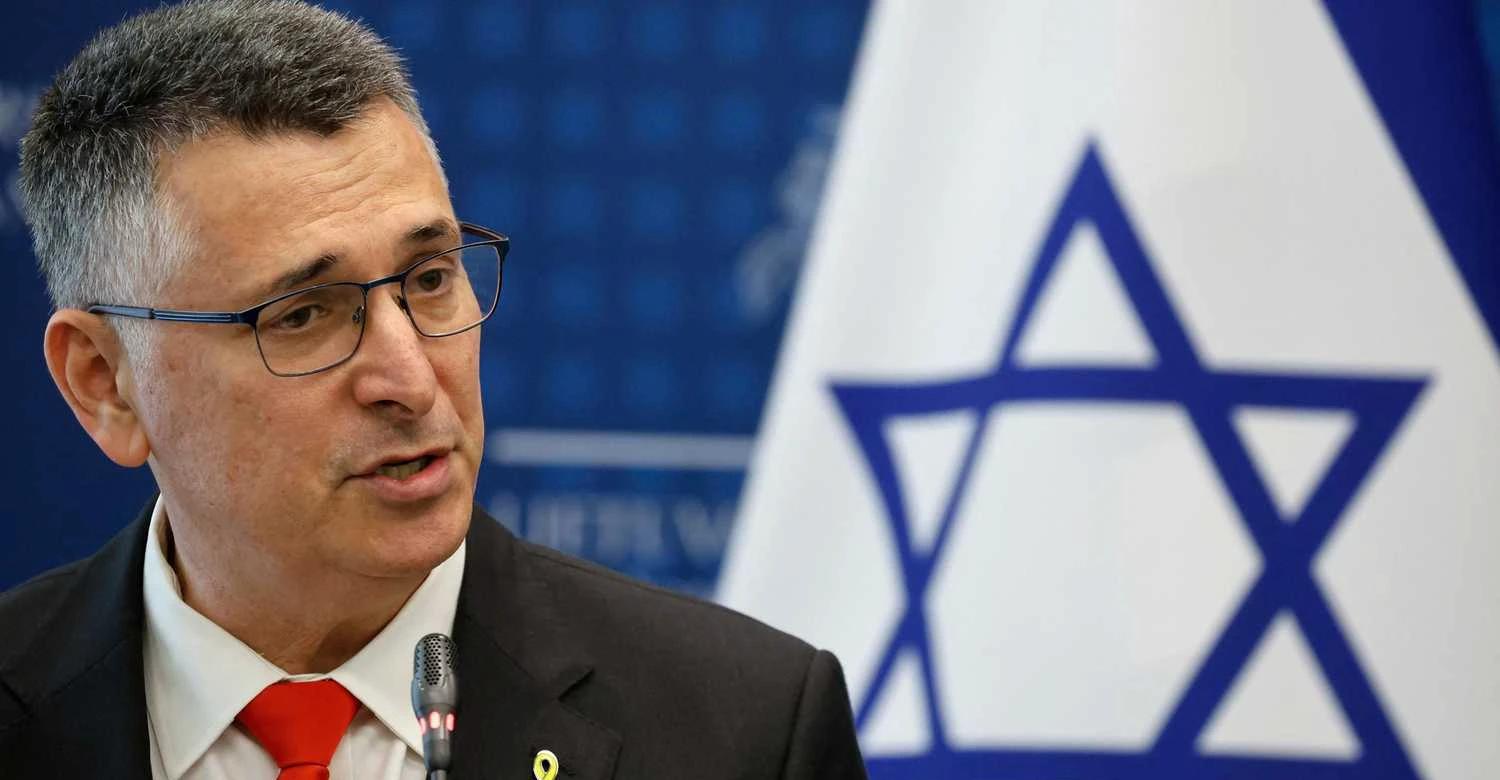
Israel and Lebanon Hold First Direct Peace Talks Since 1993 in Washington
16 sources compared

NASA Artemis II Crew Returns Safely After Record-Breaking Moon Voyage
16 sources compared

Israel Reprimands Spain After Netanyahu Effigy Packed With Explosives Blown Up
14 sources compared
OIC Condemns Israel for Approving 34 New West Bank Settlements as War Crimes
11 sources compared