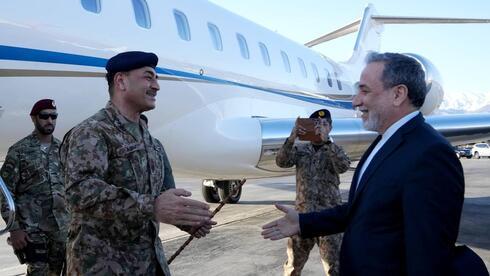
Israel And Lebanon Launch Direct Washington Talks To End Hezbollah Conflict
Key Takeaways
- Israel and Lebanon begin direct talks in Washington to end Hezbollah fighting.
- Mediators aim to extend the US-Iran ceasefire to include Lebanon amid rising tensions.
- European and regional actors press to fold Lebanon into the ceasefire framework.
Israel-Lebanon Talks
Israel and Lebanon agreed to launch direct negotiations in Washington despite having no diplomatic ties.
The talks took place after the ambassadors met along with U.S. Secretary of State Marco Rubio.

Hezbollah did not participate, raising doubts about enforcement.
The Israel-Hezbollah conflict is one of three major obstacles in the U.S.-Israeli war against Iran.
Israel continued its military campaign in southern Lebanon.
US-Iran Ceasefire and Hormuz Blockade
Negotiations between the United States and Iran showed signs of progress.
The U.S. blockade of Iran's ports was fully implemented.

CENTCOM stated that economic trade had been completely halted in less than 36 hours.
Oil prices fell on hopes for an end to fighting.
President Trump said the war with Iran is almost over.
Regional Mediation and Economic Impact
Pakistan continued its mediation efforts with a regional diplomatic tour.
Finance ministers from eleven countries urged a coordinated economic response.
The IMF warned that disruptions to oil markets could slow growth and fuel inflation.
The IEA said resuming flow through the Strait of Hormuz is the single most important variable.
The war has killed thousands and displaced millions across the region.
Israeli Military Operations
Israel pressed its military campaign in southern Lebanon.
The Lebanese Health Ministry reported more than 2,000 killed by Israeli strikes.
The Israeli military was preparing for the possibility of a ceasefire.
No final agreement had been reached.
Any ceasefire could be linked to a broader arrangement.
More on Lebanon
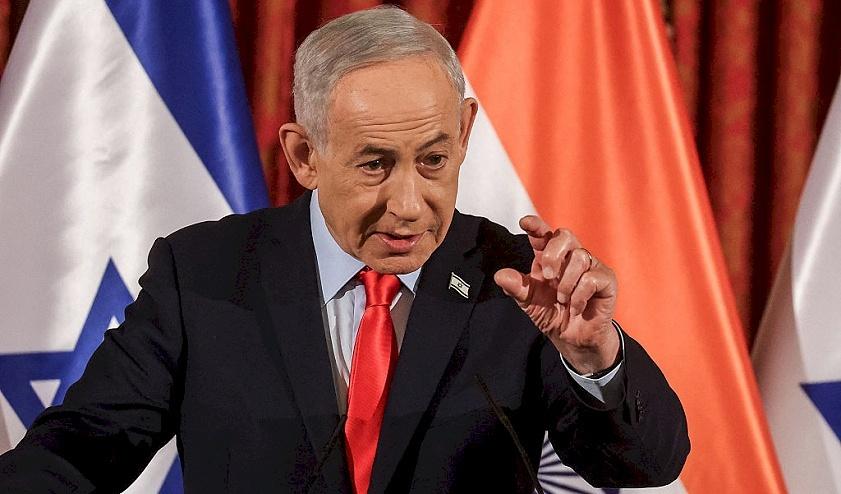
Netanyahu Demands Hezbollah Dismantling in Historic Lebanon Talks in Washington
14 sources compared

Lebanon And Israel Hold First Direct Diplomatic Talks In Washington Since 1948
24 sources compared
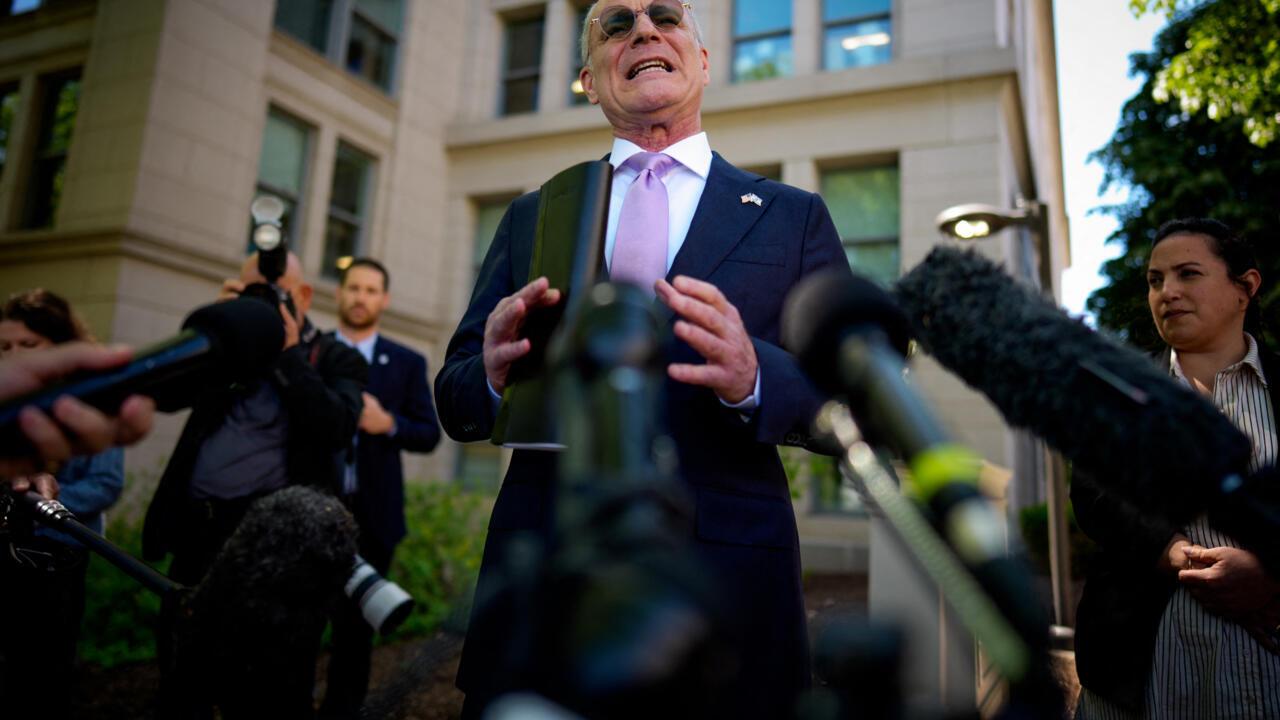
US Hosts Historic Israel-Lebanon Talks to Launch Ceasefire Negotiations
13 sources compared
Hezbollah Retaliates With Rocket Barrages After Israel Violates Lebanon Ceasefire
31 sources compared