USA15 April, 20261 min read
US Hosts Historic Israel-Lebanon Talks to Launch Ceasefire Negotiations
This article is an automated aggregation of coverage from news outlets. Our editorials offer in-depth analysis curated by the NewsCord team.
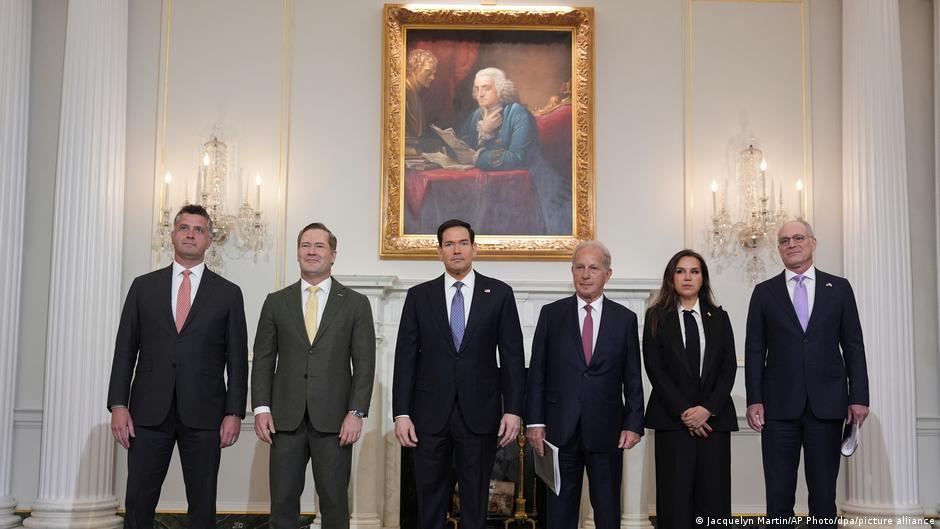
First direct talks in decades between Lebanon and Israel, hosted in Washington by Rubio. Discussions aim to launch ceasefire negotiations amid ongoing cross-border hostilities.
Historic Lebanon-Israel Talks
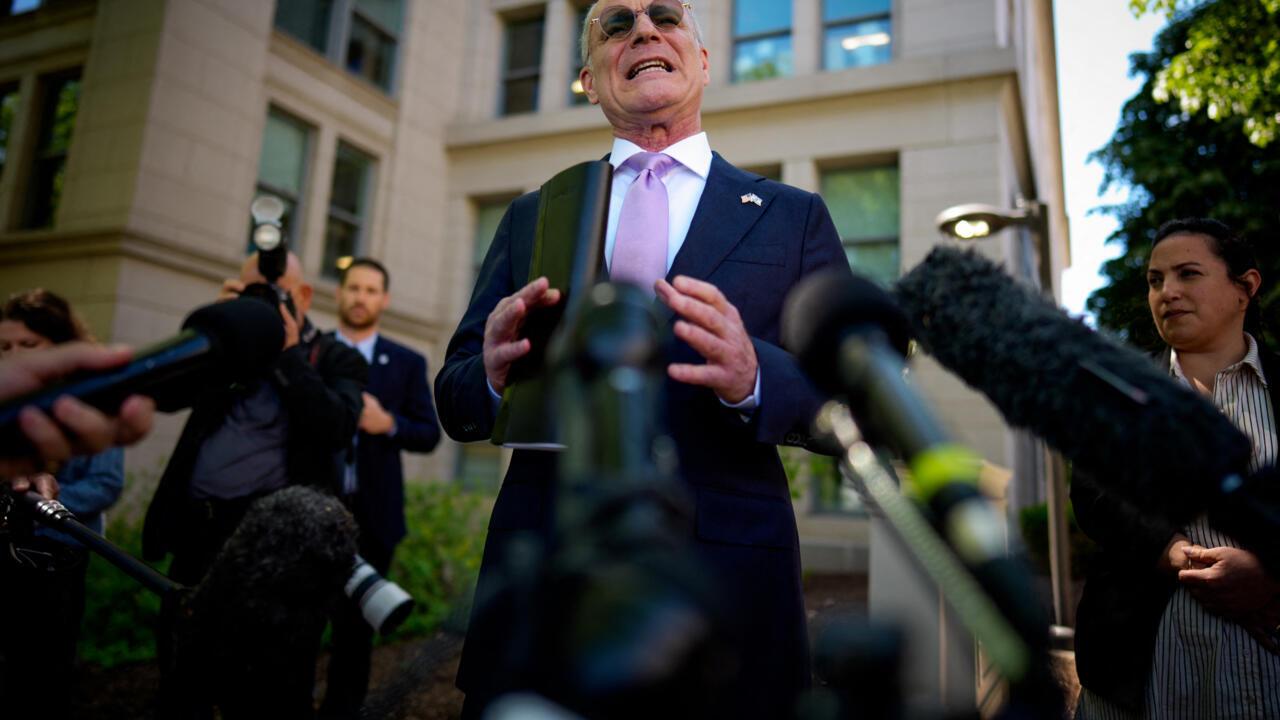
Lebanon and Israel held their first direct diplomatic talks in more than three decades on April 14, 2026.
The meeting was hosted by U.S. Secretary of State Marco Rubio and lasted two hours.

Rubio framed the talks as a historic opportunity to begin addressing decades of history and complexities.
The U.S. State Department issued a joint statement praising productive discussions.
The talks took place against the backdrop of an Israeli ground invasion in southern Lebanon.
Divergent Priorities and Challenges
The Lebanese delegation called for an urgent ceasefire. The Israeli ambassador emphasized that Israel would continue military action against Hezbollah. Hezbollah opposed the talks and was not represented.
The Lebanese government has limited control over Hezbollah. The talks were complicated by the broader regional context.
Disarmament and Sovereignty
The central focus of the talks was the disarmament of Hezbollah. Israeli officials insisted that Israel is not at war with Lebanon but with Hezbollah. The Lebanese ambassador reaffirmed the urgent need for an end to the conflict.
The Lebanese government has little control over Hezbollah’s armed faction. The talks aimed to isolate Hezbollah and strengthen the Lebanese government’s sovereignty.
International and Regional Dynamics
The U.S. Treasury announced it would not renew a sanctions waiver on Iranian oil.
The Strait of Hormuz remained effectively closed.
Trump criticized Italian Prime Minister Meloni.
Foreign ministers from Saudi Arabia, Pakistan, and Egypt planned regional talks.
The UN investigated the deaths of peacekeepers in Lebanon.
Next Steps and Uncertainties
The talks concluded with an agreement to launch direct negotiations. The Israeli ambassador said the parties discussed a long-term vision. The Lebanese ambassador called for a ceasefire.
Hezbollah continued to fire rockets. Only 24% of Americans believed the war with Iran had been worth it.