Israel and United States Continue Iran Campaign for at Least Three Weeks
Key Takeaways
- IDF says Iran campaign will last at least three more weeks.
- Thousands of targets remain, extending the timetable.
- Operation coordinated with US allies, with end possibly within weeks.
Extended Campaign Timeline
The Israeli military has confirmed that its joint campaign with the United States against Iran will continue for at least three more weeks.
“• War timeline: Trump administration officials said today that they expect the conflict in Iran to come to an end within weeks or “sooner,” as economists voice concerns that the oil disruption in the Middle East could spark a recession”
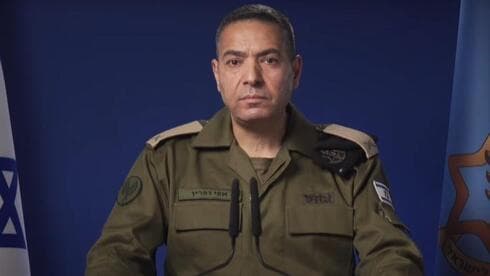
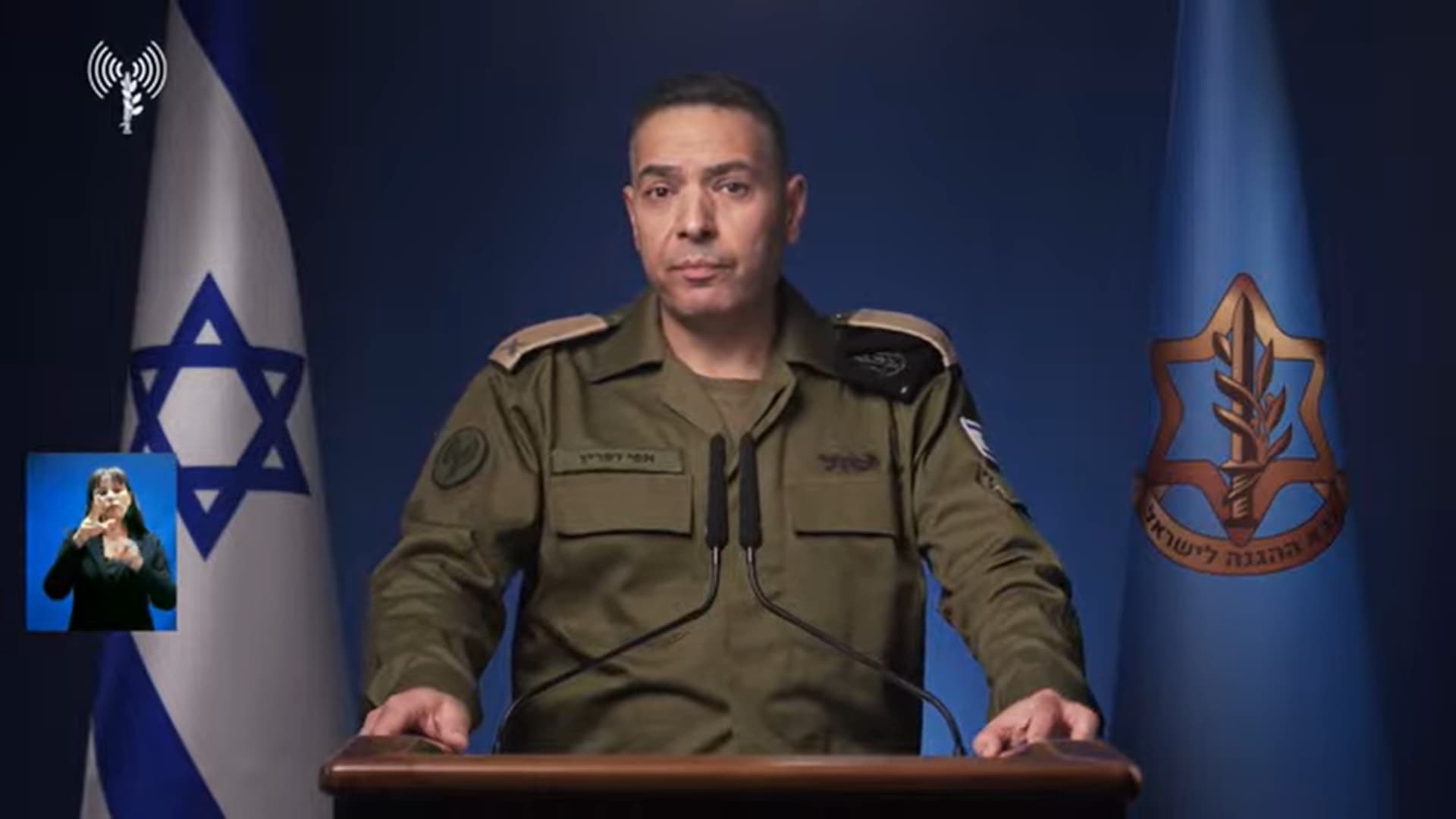
This extension is expected to go beyond the Jewish holiday of Passover, according to IDF spokesperson Brig. Gen. Effie Defrin.

Defrin emphasized that Israeli forces have 'thousands of targets ahead' and are coordinating operations with US allies.
The military plans extend through Passover and potentially three weeks beyond that, indicating a prolonged campaign.
Israel is not operating on a fixed schedule but pursuing strategic objectives against Iranian infrastructure.
Strategic Objectives
The US-Israeli Iran campaign aims to severely weaken the Iranian regime through systematic targeting.
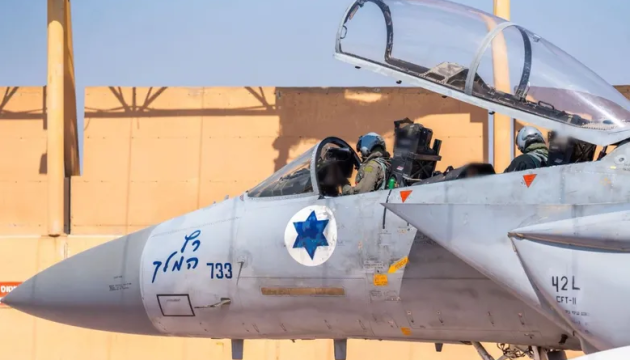
Since the operation began, the Israeli Air Force has conducted approximately 400 waves of strikes in western and central Iran.
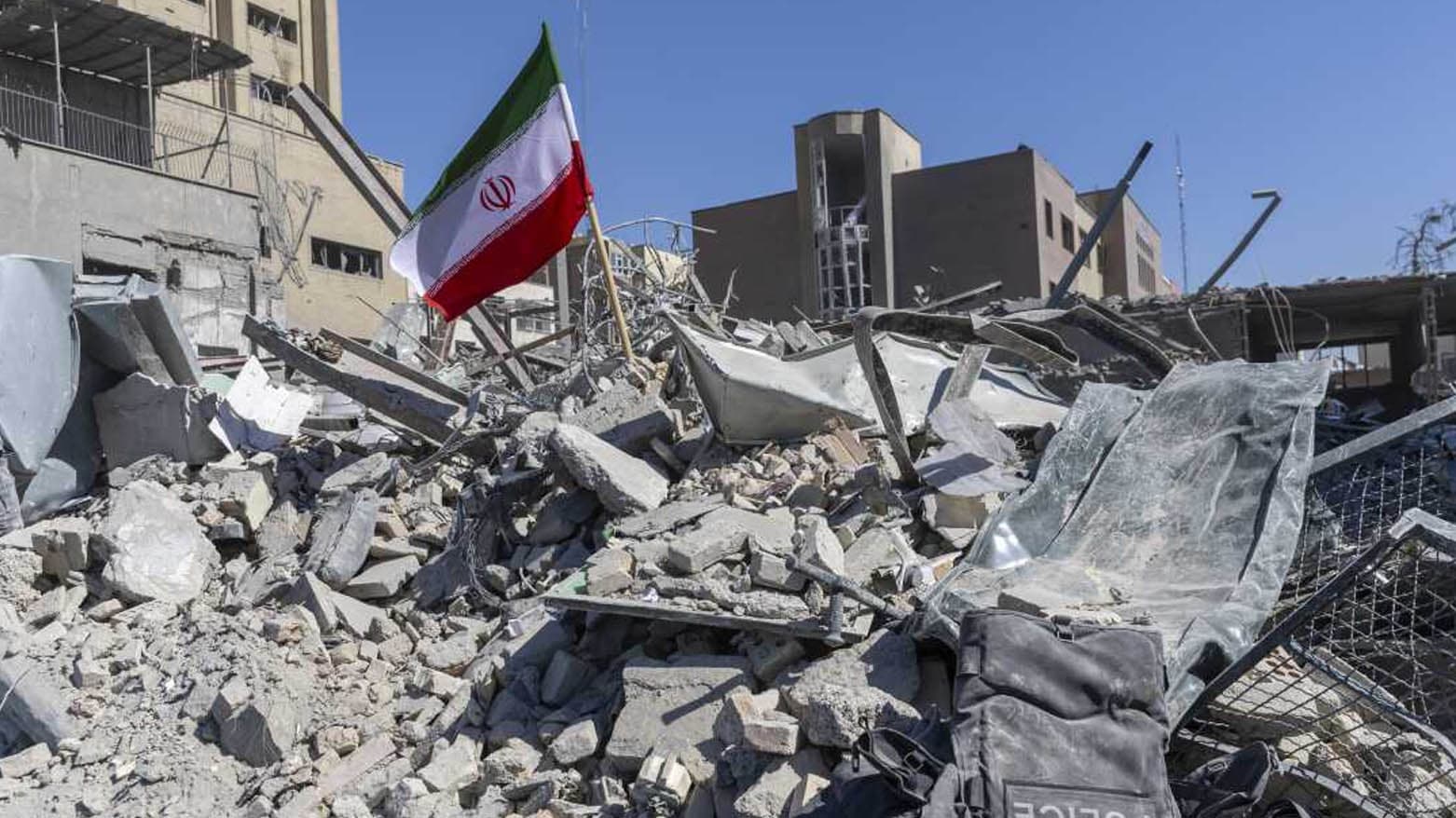
The IDF has targeted military infrastructure, fire-support units, defense systems, and production facilities.
Military leadership has clarified the operation is not tied to fixed schedules but to achieving specific strategic goals.
The central objective is to 'weaken the Iranian regime severely' according to IDF spokesperson statements.
Regional Escalation
The conflict has escalated beyond Iran, with Lebanon becoming a major theater of war.
“Creating new perspectives since 2009 March 15, 2026 at 7:29 pm Israeli Defense Minister Yisrael Katz holds a security situation assessment meeting with Chief of Staff Eyal Zamir, Head of the Israeli Military Intelligence Directorate (AMAN) Shlomi Binder and other senior commanders in Tel Aviv, Israel, on March 07, 2026”
Hezbollah has entered the conflict, unlike during last summer's 12-day war when they remained on the sidelines.
Israeli military expansion in Lebanon has resulted in more than 800 deaths and over 2,000 injuries since March 2.
IDF spokesperson explained Hezbollah's shift in involvement, noting they now see it as 'all out' warfare rather than a limited campaign.
This multi-front conflict complicates military calculations and increases regional destabilization risks.
Humanitarian Impact
The human cost of the extended Iran campaign has been substantial across multiple countries.
In Iran, more than 1,300 people have been killed according to Iran's UN ambassador.
HRANA reported 1,319 civilian deaths including at least 206 children, plus 1,122 military personnel in Iran.
Lebanon has suffered at least 850 deaths since March 2, including 107 children.
Israel has lost 15 people, including nine in a missile strike on Beit Shemesh.
Other countries with significant casualties include Iraq (32), Kuwait (6), UAE (6), Bahrain (2), Oman (3), and Saudi Arabia (2).
Thirteen US service members have been killed, including six in an aircraft crash and six in an Iranian strike.
Economic and Cultural Impact
The extended Iran campaign has created significant economic implications, particularly for global energy markets.
“This was stated by the IDF spokesperson, Brig”
US Energy Secretary Chris Wright suggested the conflict could end in coming weeks, potentially easing energy market pressures.
Wright acknowledged that wars provide no guarantees about precise timing of disruption endings.
He described the current situation as 'a short phase of turmoil in the energy sector.'
Iran has reported substantial damage to its cultural heritage, claiming 56 museums, historic buildings and cultural sites damaged.
Iran's ministry of cultural heritage strongly condemned the claimed attacks, noting disproportionate impact on Tehran province.
More on Iran

Epstein network plots 9/11-style attack to blame Iran, Ali Larijani says
11 sources compared

Iran Drone Attack Hits UAE Fujairah Port, Halting Oil Loading
11 sources compared

FCC chair Brendan Carr Threatens Broadcasters' Licenses Over Iran War Coverage
18 sources compared

US-Israeli strike pounds Iranian city of Hamadan
11 sources compared