
Israel Approves Expanded Ground, Air Offensive Against Hezbollah In Lebanon
Key Takeaways
- Israel approved expanded ground and air operations against Hezbollah in Lebanon.
- Israeli strikes destroyed key bridges over Litani River, hindering movement.
- Lebanese officials warn bridge strikes could be prelude to ground invasion.
Military Expansion
Israel has approved expanded ground and air operations against Hezbollah in Lebanon, escalating the conflict significantly.
“BREAKING Child killed in US-Israeli strike in Iran's Khorramabad: ReportIEA chief says global economy ‘facing a major threat’Saudi Arabia intercepts ballistic missile heading towards Riyadh Click to pause breaking news tickerpause-square-backgroundClose Breaking News Tickerclose Toggle Play Moment Israeli strike hits bridge in southern Lebanon Read more Video shows the moment Israeli jets strike the Qasmiyeh Bridge over the Litani River in southern Lebanon, sending plumes of smoke into the sky”
The Israeli military, under Chief of Staff Eyal Zamir, has authorized plans to advance 'targeted ground operations and strikes' against Hezbollah, describing this as a 'prolonged operation.'
This decision follows renewed hostilities earlier in the month when Hezbollah fired rockets into Israel amid the broader conflict involving the United States and Israel against Iran.
The Israeli Defense Minister Israel Katz has explicitly ordered the military to destroy all bridges over the Litani River, claiming they are being used by Hezbollah to move reinforcements.
Katz has instructed troops to accelerate the demolition of homes in border villages, mirroring tactics used in operations against Hamas in Gaza.
Humanitarian Crisis
The escalating Israeli offensive has created a severe humanitarian crisis in Lebanon, with devastating consequences for civilian populations.
Lebanon's health ministry has reported more than 1,000 deaths, including at least 118 children and 40 health workers, while over one million people have been displaced from their homes.

The destruction of critical infrastructure, particularly bridges over the Litani River, has further exacerbated the humanitarian situation.
UNICEF officials have warned that Israel's war on Lebanon is killing or wounding the equivalent of an entire classroom of children daily, highlighting the disproportionate impact on civilian populations.
The systematic targeting of civilian infrastructure and residential areas has been characterized by multiple sources as amounting to a policy of collective punishment against Lebanese civilians.
Lebanese Response
Lebanese officials have strongly condemned the Israeli military actions, describing them as dangerous escalations that threaten national sovereignty.
“Yedioth Ahronot reported that four Israeli soldiers were injured with minor injuries as a result of an security incident during a military operation in southern Lebanon, in addition to another soldier who was slightly injured due to the fall of a drone near a military site in southern Lebanon”
Lebanese President Joseph Aoun has characterized the strikes on bridges as 'a flagrant violation of Lebanon's sovereignty' and 'a prelude to a ground invasion.'
He has accused Israel of pursuing a 'policy of collective punishment against civilians' and warned that the actions could signal broader ambitions to expand Israeli presence in Lebanese territory.
The Lebanese government has expressed concern that Israel is seeking to isolate the country's south—Hezbollah's stronghold and a hub of the Shia community—potentially paving the way for territorial incursions or the creation of a buffer zone.
These warnings come amid fears that Israel may be attempting to replicate its Gaza strategy in Lebanon, with systematic destruction of civilian infrastructure and forced evacuations.
Military Strategy
The Israeli military strategy appears focused on creating a buffer zone south of the Litani River through systematic destruction of infrastructure and civilian homes.
Israeli officials have confirmed that the military is carrying out ground manoeuvres and targeted raids on Hezbollah militants and weapons stores in southern Lebanon, with the stated aim of protecting residents in northern Israel from Hezbollah attacks.

The destruction of bridges over the Litani River represents a key component of this strategy, as it effectively isolates south Lebanon from the rest of the country.
Military experts have warned that such actions could constitute war crimes, particularly the wholesale destruction of homes in southern Lebanon, which would amount to 'wanton destruction' under international law.
The strategy mirrors approaches used in Gaza's Beit Hanoun and Rafah areas, where the Israeli military created buffer zones by clearing and demolishing buildings near the border.
International Response
International reactions to the Israeli offensive have been mixed, with some Western governments expressing concerns about the scale and duration of potential military operations.
“The Israeli military has approved plans to expand its ground and air operations against Hezbollah, raising fears in Lebanon of a potential large-scale ground invasion”
French Foreign Affairs Minister Jean-Noël Barrot met with his Israeli counterpart Gideon Sa'ar in Jerusalem, expressing France's reservations about a ground operation of 'significant scale and duration' and urging Lebanese and Israeli officials to find a lasting solution that cannot be achieved through military force alone.
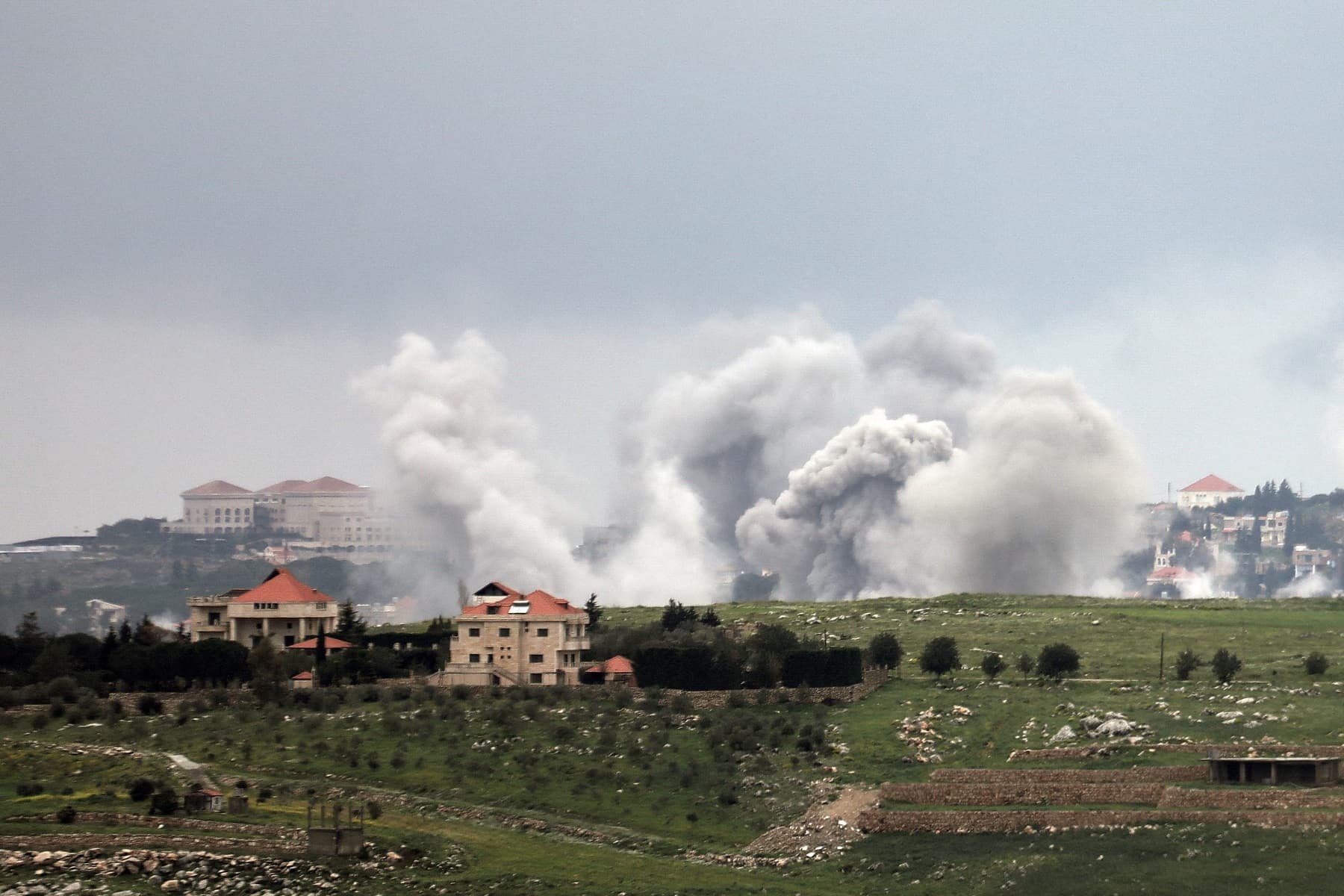
Meanwhile, the United Nations has warned that some Israeli strikes on Lebanon could amount to war crimes, particularly those involving the wholesale destruction of civilian infrastructure and homes.
The international community is increasingly concerned about the humanitarian implications of the conflict, with over a million people displaced and critical infrastructure destroyed.
This could potentially create a long-term humanitarian catastrophe in Lebanon with severe consequences for civilian populations.
More on Lebanon

Israel Destroys Bridges Over Litani River, Steps Up Border Demolitions Near Lebanon
19 sources compared
Israel Strikes Hezbollah Targets in Beirut After Evacuation Warnings
13 sources compared
UAE Dismantles Terrorist Network Linked to Iran and Hezbollah, Arrests 109
19 sources compared

Israel Attacks Lebanon as Missile Lands Near RT Reporter
31 sources compared