Iran18 June, 20263 min read
Israel Asked Meta To Censor Facebook And Instagram Content About Its War Against Iran
This article is an automated aggregation of coverage from news outlets. Our editorials offer in-depth analysis curated by the NewsCord team.
Israel pressed Meta to censor Facebook and Instagram posts about its war with Iran. Internal records show targets included posts supporting Iran, opposing Israel, and depictions of missile impacts.
The Intercept was read line by line by the Watchdog: 3.2. See the score →
Israel-Meta censorship push
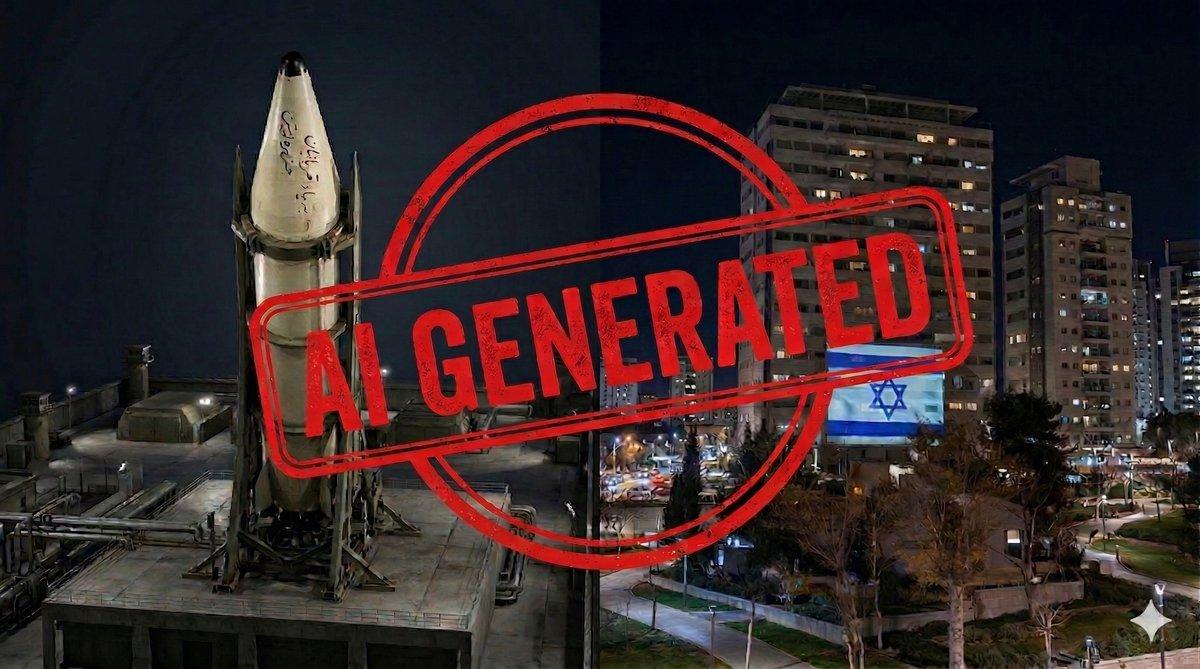
Leaked Meta documents viewed by The Intercept say Israel asked Meta to censor Facebook and Instagram content about its ongoing war against Iran, including posts expressing support for Iran, opposition to Israel, and depictions of Iranian missile impacts. The Intercept’s internal records describe Israeli flagging of materials such as posts mourning the death of Ayatollah Khamenei following his assassination by the U.S. and Israel on the opening day of the conflict, and content supportive of Iran’s retaliatory attacks. Meta spokesperson Daniel Roberts told The Intercept, "Anyone is able to report content they think violates our rules," adding that "Regardless of who or how a piece of content is flagged, we assess it based on our policies."
In JFeed’s account of the same broader episode, internal logs said state authorities demanded the sweeping removal of real time public posts and user accounts across Facebook and Instagram during the height of the military escalation with Iran, and that corporate decision makers frequently acquiesced to backchannel directives. JFeed also says the targeted content included public expressions of support for the Iranian regime and anti Israel commentary, and that state cyber unit actions were routed through complaints claiming the independent commentaries breached Meta’s internal terms of service and dangerous organizations policies.

Detentions in Gulf states
The BBC reports that the Committee to Protect Journalists said hundreds of people in Gulf Arab countries have been detained for publishing videos related to Iran’s attacks, with the CPJ updating its report on media freedom amid the ongoing war between the United States and Israel and Iran. The BBC says the United Arab Emirates told Reuters that 375 people have been detained for filming or disseminating misinformation related to the war, and that an Emirati official described the actions as "standard procedures during periods of heightened security." The BBC adds that Qatar reported the detention of more than 300 people of various nationalities for publishing images and "misleading information," and that Bahrain and Kuwait also took similar steps.
It also says Ahmed Shihab Eldin, a 41-year-old Kuwaiti-American journalist, has been detained in Kuwait for six weeks, and that the New York Times reported he has not been seen in Kuwait and has not published any material on the internet since about a month and a half ago (March 2). The BBC quotes the CPJ’s statement that authorities were said to have charged him with publishing false information and harming national security and abusing a mobile phone—vague and sweeping charges used to silence independent journalists.

Laws, framing, and risk
The BBC says Kuwait enacted a law on March 15 under which publishing false rumors related to military institutions with the aim of undermining public trust could be punishable by up to 10 years in prison, and it also says the Kuwaiti Interior Ministry on February 28 (9 Esfand) urged people not to film missile interceptions and to refrain from publishing them on social networks or filming security forces.
In JFeed’s account, legal specialists reviewing Meta’s internal logs observed that the state cyber unit rarely argued that targeted posts violated domestic statutory law, and instead state prosecutors filed routine complaints claiming breaches of Meta’s internal terms of service and dangerous organizations policies.
The خبرگزاری مهر guest note by Dr. Hassan Ghorousi argues that media censorship in conflicts can occur through "reducing the level of news coverage, removing certain images, or restricting journalists' access to information sources," and it frames this as part of how governments compete to shape dominant narrative in global public opinion.
FactNameh’s report says it monitored Persian-language content on the Islamic Republic’s side and on the opposition camp favorable to war/Israel, focusing mainly on content produced and published on Instagram, and it links misinformation patterns to an "internet shutdown in Iran" that it says affected ordinary users’ content production and reduced it to zero.
Across the sources, the immediate stakes described include detentions and prison exposure in Kuwait for content about military institutions, and the broader risk that wartime narratives on major platforms are shaped through takedown requests and censorship mechanisms tied to the war between the United States and Israel and Iran.