
Trump Signs Iran MOU, Lifts Blockade, Reopens Strait of Hormuz for 60-Day Talks
Key Takeaways
- Interim memorandum of understanding with Iran establishes framework for diplomacy and sanctions adjustments.
- U.S. lifts naval blockade of Iranian ports as part of the agreement.
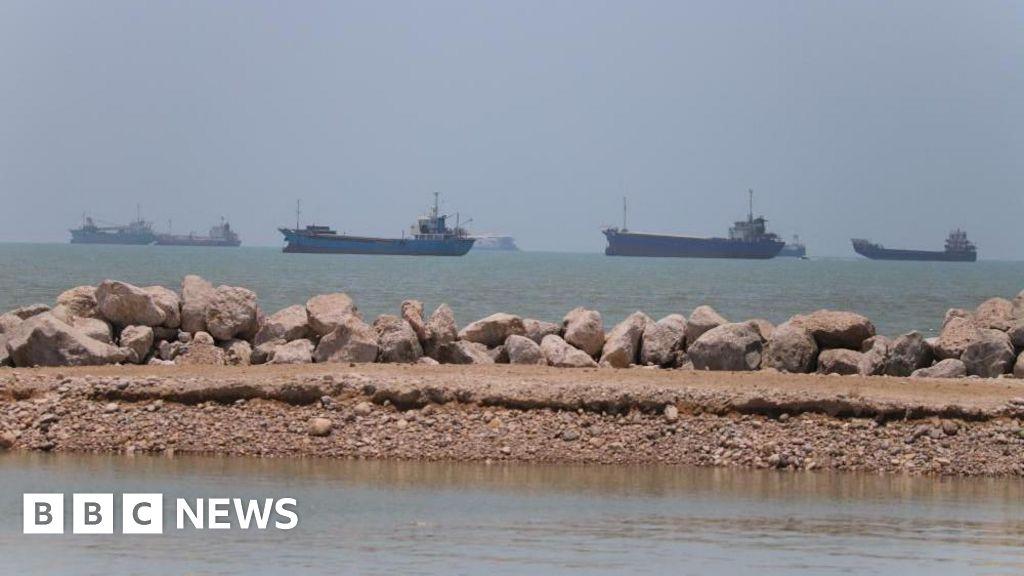
- Strait of Hormuz reopening agreed, enabling resumed maritime traffic.
Deal, blockade, and 60 days
President Donald Trump signed a memorandum of understanding (MOU) with Iran that took immediate effect as the U.S. military lifted its blockade of Iranian ports, with U.S. Central Command confirming the end of the blockade "in accordance with the President's direction."
“Comparing’s Trump and Obama’s Iran deals, what we know: ANALYSIS One is a nuclear deal, the other is not”
The agreement triggers a 60-day negotiating period after Trump and Iranian President Masoud Pezeshkian signed the deal a day earlier, and Vice President JD Vance said the deal had come into effect, triggering the 60-day period of further talks.
Iran’s Supreme Leader Mojtaba Khamenei approved the deal despite having a "different view," saying Trump had "out of desperation, used all kinds of leverage" to bring it about.
The deal centers on 14 core points including reopening the Strait of Hormuz and a requirement that Iran should never have a nuclear weapon, while the U.S. is not required to contribute to a $300bn (£227bn) fund for the "reconstruction and economic development" of the country.
U.S. Central Command said some U.S. vessels would remain "in the general area" even after the blockade ended, and the official signing ceremony had been set to take place in Switzerland on Friday before mediator Pakistan told the BBC it was cancelled because the deal had already been signed remotely.
Republicans and Israel pushback
As the 60-day clock started ticking, Republicans on Capitol Hill sharply criticized the MOU, with outgoing Louisiana Sen. Bill Cassidy saying: "Iran’s left stronger, we are left weaker."
Sen. Bill Cassidy also called the agreement the "worst foreign policy blunder in decades," while Sen. John Cornyn said: "Everything I’ve heard about, it causes me concern."
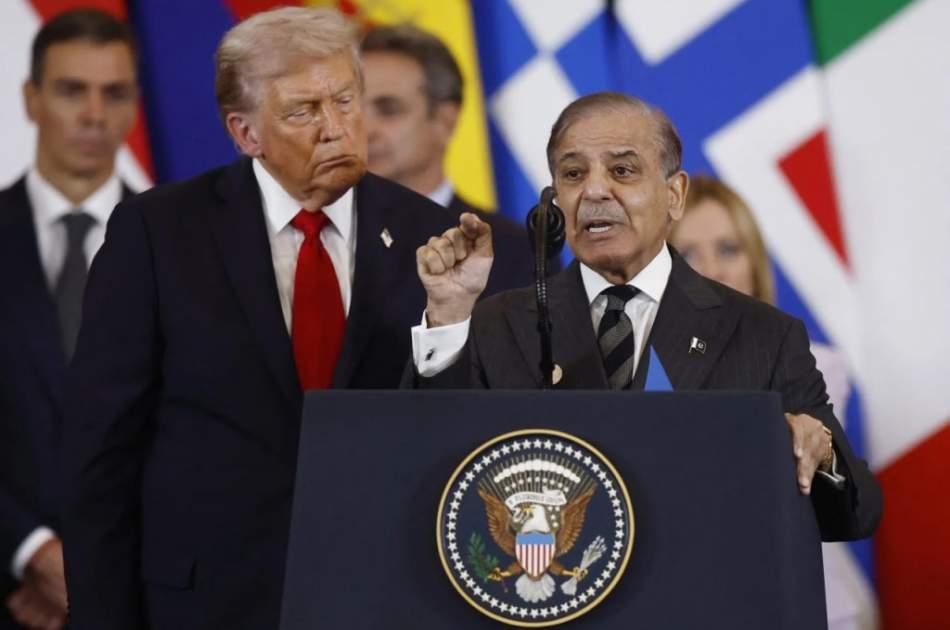
Vice President JD Vance rebuked Israeli criticism of the deal, telling reporters, "If I was in the cabinet of the Israeli government, I might not be attacking the only powerful ally that I have anywhere left in the entire world," as the U.S. military lifted the blockade.
Vance also warned Israel that it should not criticize the U.S.-Iran memorandum of understanding, and MS NOW reported Vice President JD Vance said the preliminary peace agreement is a “win-win” for the United States.
The Washington Post reported that several leading members of Prime Minister Benjamin Netanyahu’s government have been sharply critical of the deal since it was announced, and it said the U.S. Central Command blockade lift was a condition of the deal that would ease the economic crunch on Tehran.
What’s at stake next
The MOU’s structure leaves the most consequential nuclear questions for future negotiations, with Fox News describing the framework as granting Tehran immediate oil sanctions waivers while postponing the most consequential nuclear questions for future negotiations.
“As key Republicans on Capitol Hill first learned the details of President Donald Trump’s agreement with Iran, some were so stunned that they simply wouldn’t speak about it”
Fox News said the agreement establishes a 60-day negotiating period and that the Treasury Department would immediately issue waivers allowing Iran to export crude oil, petroleum products and derivatives, along with access to associated banking, insurance and transportation services.
The BBC reported that the deal binds both sides to achieving a final deal in a "maximum" of 60 days, which could be extended with mutual consent, and it said U.S. and Iranian representatives were still expected to meet in Switzerland for further talks.
Criticism from U.S. Republicans focused on the $300 billion reconstruction fund, with the BBC noting that Republican Senator Bill Cassidy described the agreement as the "worst foreign policy blunder in decades" and said "Iran's nuclear ambitions were not curbed."
Vance defended the deal by saying Iran will not receive money or sanctions relief unless it meets obligations in the agreement, and he said the deal requires Iran to destroy its stockpile of enriched uranium and show it will not fund proxy groups in the region.
More on USA

Supreme Court Rules Federal Gun Ban Unconstitutional for Texas Man Using Marijuana
11 sources compared

Trump Administration Compares Lincoln Memorial Reflecting Pool Algae Cleanup to Destroyed Iran’s Navy
10 sources compared
US Lifts Naval Blockade of Iranian Ports as JD Vance Says Oil Flows Through Strait of Hormuz
18 sources compared
Trump Signs Iran Memorandum Of Understanding, Ends Military Operations And Sets 60-Day Negotiations
27 sources compared