Israel Attacks Lebanon, Killing Four in Southern Lebanon Apartment
Key Takeaways
- Israeli attack hit an apartment in Haret Saida, southern Lebanon
- Four people were killed in the strike
- Lebanese health ministry reports 773 killed, 1,933 wounded since March 2
Sidon Apartment Attack
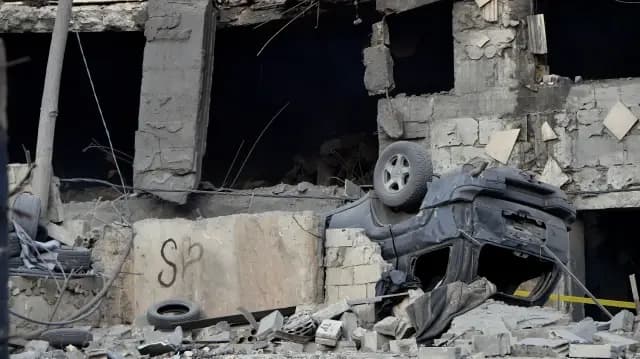
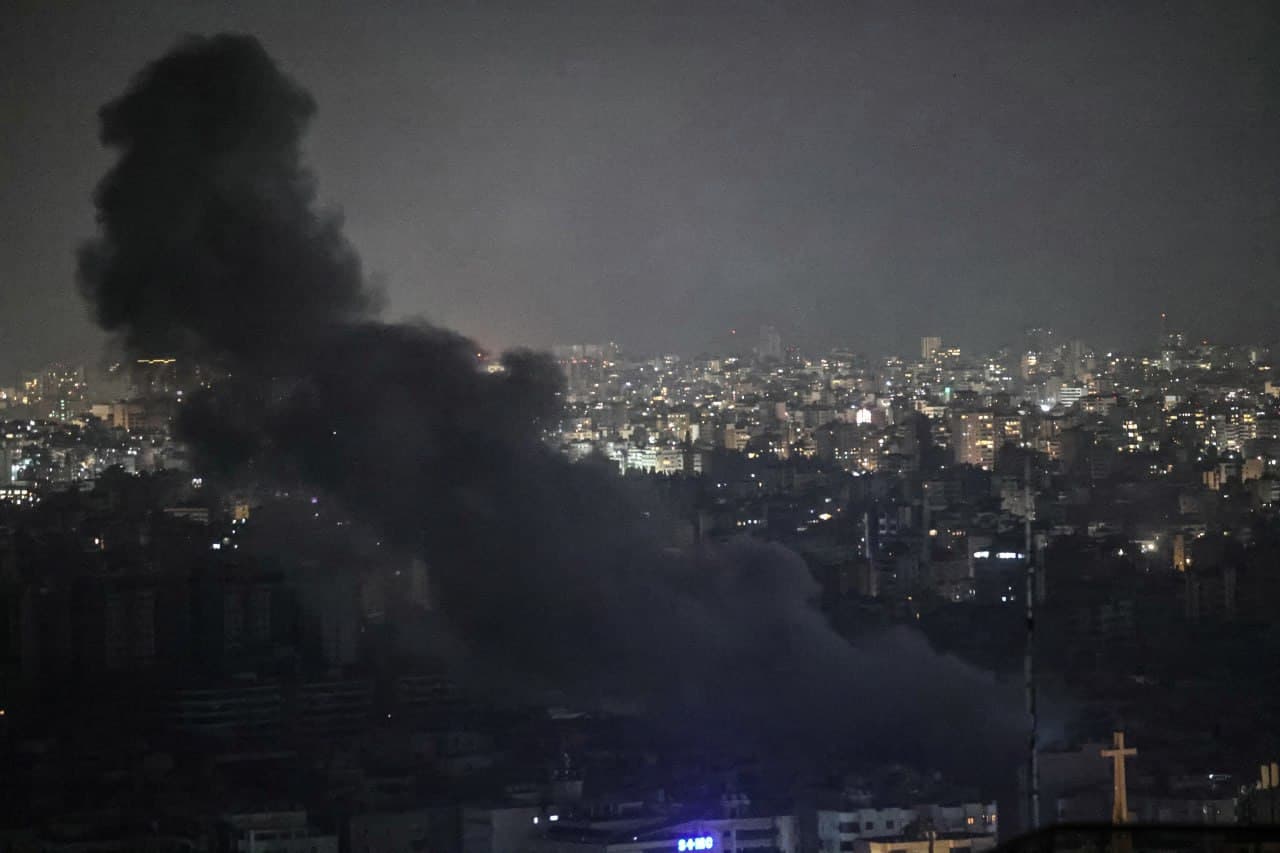
Israeli military strikes have targeted Lebanon, with a specific incident resulting in the deaths of four people in an apartment building in the southern city of Sidon.
“BREAKING Trump says US bombed Iranian military sites on ‘crown jewel’ Kharg IslandUS president warns Iran that Kharg Island oil facilities could be next'Huge blasts' rock central Tehran after thousands rally in defiance of US-Israel Click to pause breaking news tickerpause-square-backgroundClose Breaking News Tickerclose Toggle Play Four killed in southern Lebanon apartment after reported Israeli attack Video shows a large fire engulfing an apartment building in the Sidon area of southern Lebanon, following reports of an Israeli attack that killed four people”
According to Al Jazeera, the attack involved a large fire engulfing an apartment building in the Sidon area following reports of Israeli military action.

The incident represents part of a broader pattern of Israeli aggression across Lebanon, which has been escalating since early March.
The attack in Sidon occurred amid heightened tensions in the region as part of the ongoing conflict between Israel and various resistance groups, particularly Hezbollah.
Hezbollah has drawn Lebanon deeper into the regional confrontation that erupted after the killing of Iran's Supreme Leader Ayatollah Ali Khamenei in US-Israeli strikes in February.
Humanitarian Crisis
The Israeli attacks have triggered a massive humanitarian crisis in Lebanon, with hundreds of thousands of people being displaced from their homes.
Arab News reports that schools across Beirut have been converted into overcrowded shelters as Israeli military operations against Hezbollah intensify across the country.
The displacement crisis has been exacerbated by Lebanon's deep economic crisis, with the UN warning that displacement is rising by 100,000 people daily.
Families are experiencing displacement for the second time, with Fatima Al-Mukdad, 55, telling Arab News, 'This is the second time we have been displaced from our homes and we do not know what lies ahead.'
The overcrowded shelters lack basic necessities such as hot water, particularly as cold weather sets in with overnight temperatures expected to fall to freezing.
Rising Death Toll
The death toll from Israeli aggression across Lebanon has reached catastrophic levels, with health authorities reporting at least 773 people killed since March 2, including 103 children.
“ISTANBUL, March 14 (Bernama-Anadolu) -- At least 23 people, including 12 medical personnel, were killed in separate Israeli airstrikes across Lebanon since early Saturday, Lebanese authorities said”
The Lebanese Ministry of Health reported that another 1,933 people have been wounded in the Israeli strikes, according to multiple sources including WAFA Agency and Middle East Eye.
The casualty figures continue to rise as rescue teams search for people still missing from various strike sites.
In addition to the Sidon apartment attack, other incidents include the killing of Lebanese Dr. Hisham Ismail in south Lebanon and a targeted strike on a medical center and clinic belonging to the Islamic Health Authority in the town of Bourj Qalawayh.
The attack on the medical center occurred while medical teams were preparing to break their fast after returning from a humanitarian mission to treat the wounded in an earlier Israeli airstrike.
International Response
The Israeli attacks on Lebanon have drawn widespread condemnation from international organizations and regional bodies.
The Organization of Islamic Cooperation (OIC), Arab League, and African Union have issued a joint statement condemning the continued Israeli closure of Al-Aqsa Mosque, reflecting broader concerns about Israeli aggression across the region.

Meanwhile, experts have raised doubts about US Defense Secretary Pete Hegseth's claim that there's no need to 'worry about' Hormuz Strait amid the escalating conflict.
The international community has expressed particular concern about the targeting of medical facilities and humanitarian workers, with Maktoob reporting that Israeli forces committed 'another massacre against paramedics and doctors' after bombing a medical center.
The attacks have also impacted civilians beyond Lebanon, with reports of 'huge blasts' rocking central Tehran after thousands rallied in defiance of US-Israeli actions, and smoke seen rising from the US embassy in Baghdad.
Humanitarian Consequences
The humanitarian consequences of the Israeli attacks extend beyond immediate casualties to include severe health crises, economic devastation, and psychological trauma.
Displaced families are struggling with health problems in overcrowded shelters, with one woman, Abeer, 33, developing an eye infection after catching a virus in the shelter.
The economic impact has been devastating, with Farah, 35, reporting that her company has halted operations after closing its branch in the southern suburbs of Beirut, leaving her entire family without work.
The psychological toll has been immense, with Farah describing the situation by stating, 'We all need psychologists.'
The attacks have also created a climate of uncertainty and fear, as civilians face the prospect of repeated displacement and escalating violence.
The combination of physical casualties, economic hardship, and psychological trauma represents a comprehensive humanitarian crisis that will have long-term consequences for Lebanon and its population.