Israel Pounds Tehran With Airstrikes
Key Takeaways
- U.S. and Israeli airstrikes struck Tehran and Tabriz, hitting Iranian security and special forces targets
- Iran launched attacks on commercial ships, Dubai International Airport, and regional oil facilities
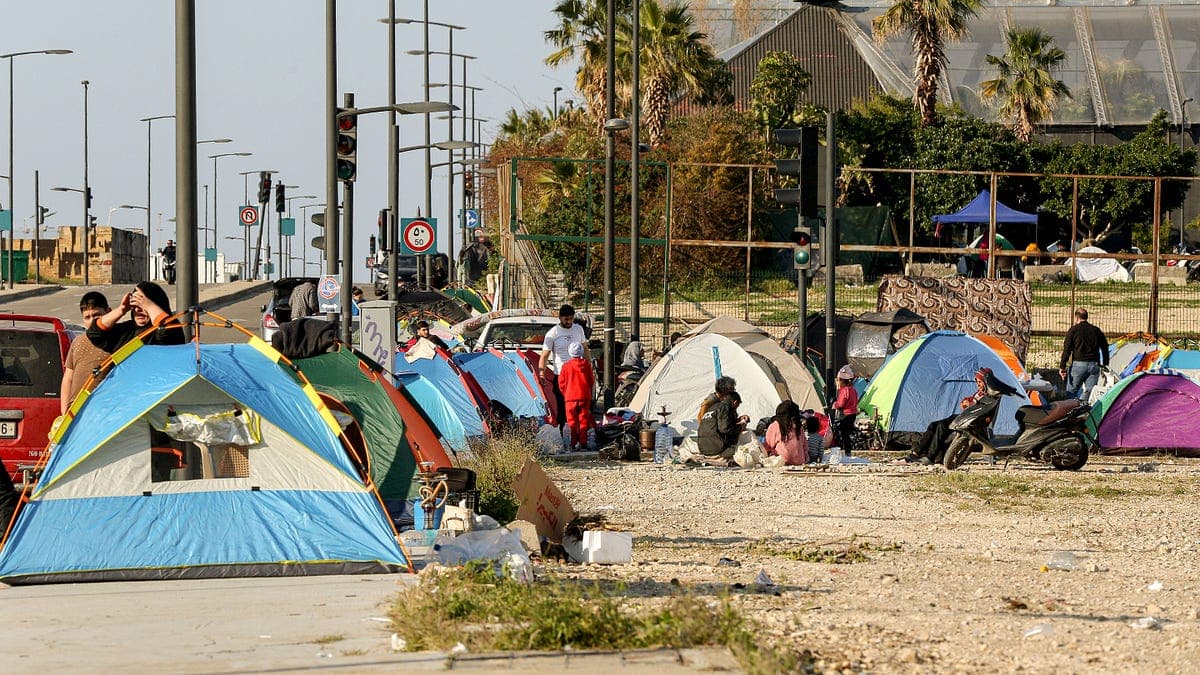
- Intense strikes displaced hundreds of thousands in Lebanon and disrupted global oil markets
Intensity and toll
U.S. and Israeli airstrikes have pounded Tehran and other parts of Iran as the campaign entered its twelfth day, with officials and witnesses describing intense bombardment and mounting civilian tolls.
“An eighth died from a “health-related incident” in Kuwait”
Al Jazeera reported that "The United States-Israeli war on Iran has entered its 12th day, with Tehran saying nearly 10,000 civilian sites in the country have been bombed and more than 1,300 civilians killed."

Drop Site News similarly noted that "U.S.-Israeli airstrikes hit areas across Tehran on Wednesday as the war on Iran entered its twelfth day," and said "the death toll in Iran is over 1,300, with more than 17,000 injured."
The Huffington Post described the strikes as extremely severe: "The United States and Israel pounded Iran on Tuesday with what the Pentagon and Iranians on the ground called the most intense airstrikes of the war," and quoted a resident saying "It was like hell. They were bombing everywhere, every part of Tehran."
Targets and strikes
Reports and witnesses describe strikes on military and security facilities across Iran alongside hits in residential areas.
Drop Site News said "On Tuesday, Israel carried out simultaneous strikes on Iranian security force headquarters in Tehran and Tabriz," and named other targets including an IRGC complex and a Public Security and Intelligence Police headquarters.

MyJoyOnline reported that "Israeli fighter jets struck more than 200 targets across western and central Iran on Friday, focusing on ballistic missile launchers and defence systems."
The Huffington Post gave on-the-ground detail of civilian impacts, saying "In Tehran’s east, two five-storey residential buildings were hit on Monday, blasting out floors and walls and leaving a rickety concrete frame."
Humanitarian impacts
Humanitarian and environmental damage in Iran is being reported across multiple outlets, with large numbers of damaged civilian buildings and warnings about toxic fallout from strikes on fuel depots.
“Get them on ourTelegram channel First Published:Mar 12 2026 | 8:05 AMIST They spoke on condition of anonymity for fear of reprisal”
Drop Site News reported "Over 19,000 civilian buildings across Iran have suffered damage since the U.S.-Israeli war on Iran began, according to the Iranian Red Crescent Society."
Al Jazeera relayed a WHO warning that "polluted rainfall known as 'black rain' could pose health risks after strikes on Iranian fuel depots."
Drop Site News also gave the scale of injuries, reporting "the death toll in Iran is over 1,300, with more than 17,000 injured," while the Huffington Post showed the strain on rescuers with footage of "rescuers there carrying a victim in a body bag."
Regional spillover
The wider region is being drawn into the fighting, with heavy exchanges in Lebanon and maritime attacks in the Gulf that are disrupting shipping and raising economic alarms.
Al Jazeera said Israeli forces "have bombed a residential building in central Beirut, causing a fire and extensive damage to several floors," and reported Lebanese officials saying "at least 634 people have been killed since last Monday."
By contrast, OregonLive noted a different count, saying "In addition to the 570 killed in Lebanon, Iran has said that more than 1,300 people have been killed there and Israel has reported 12 people dead," a contradiction in casualty tallies across outlets.
Multiple outlets described strikes and fires in Beirut and heavier fighting after Hezbollah rocket barrages; KRQE & KASA FOX 2 Albuquerque said "The Israeli military said it was responding with another 'wide-scale wave of strikes' in Tehran," while the Las Vegas Sun reported "Other Israeli strikes on southern and eastern Lebanon killed 14 people, and a Red Cross worker also died Wednesday of wounds sustained Monday..."
Diplomacy and economy
The campaign is producing diplomatic strain, growing US casualties and wide economic consequences as shipping in the Strait of Hormuz is attacked and emergency oil reserves are released.
Al Jazeera reported that "The US informed Israel that it was 'not happy' with Israeli strikes on Iranian energy facilities and asked that these stop unless Washington’s approves," and said the Pentagon reported "about 140 US service members have been wounded and seven killed since the launch of Operation Epic Fury."

Business Standard documented disruptions at sea, saying "At least 12 incidents have been confirmed involving vessels in and around the Strait of Hormuz," and noted that "The International Energy Agency agreed Wednesday to release the largest volume of emergency oil reserves in its history... 400 million barrels."
OregonLive also reported that "Iran attacked commercial ships on Wednesday across the Persian Gulf and targeted Dubai International Airport, escalating a campaign of squeezing the oil-rich region as global energy concerns mounted."
More on Lebanon

Hezbollah Fires 200 Rockets at Israel From Lebanon
17 sources compared

Israel Bombs Central Beirut, Targeting Hezbollah Infrastructure
14 sources compared

Unidentified Attacker Plants Explosive at U.S. Embassy Entrance in Oslo; Oslo Police Investigate Possible Terrorism
12 sources compared
Israel Drops Leaflets Over Beirut Threatening Gaza-Scale Devastation
20 sources compared