Israel Attacks Southern Lebanon, Shelling Valleys Near Majdal Zoun, Naqoura, Zibqin
Key Takeaways
- Israeli artillery shelled valleys around Majdal Zoun, Naqoura, and Zibqin in southern Lebanon.
- Iran denies responsibility for regional attacks.
- Bloomberg notes potential Gulf alliance shifts amid regional tensions.
Lebanon Attacks Escalate
Israeli artillery shelled valleys surrounding the towns of Majdal Zoun, Naqoura, and Zibqin in southern Lebanon.
“ByPalestine Chronicle Staff AL MAYADEEN CORRESPONDENT: Israeli artillery shelled valleys surrounding the towns of Majdal Zoun, Naqoura, and Zibqin in southern Lebanon”
Additional Israeli airstrikes targeted the towns of Touline and Majdal Selm in southern Lebanon.
These coordinated military actions represent a significant escalation in the ongoing conflict.
The strikes demonstrate Israel's continued expansion of operations beyond its northern borders.
There are growing concerns about further regional destabilization as the conflict spreads across multiple fronts.
Regional Drone Warfare
The attacks on southern Lebanon occur within a broader context of regional military actions.
Drone strikes have been targeting foreign interests across the Middle East.
“ByPalestine Chronicle Staff AL MAYADEEN CORRESPONDENT: Israeli artillery shelled valleys surrounding the towns of Majdal Zoun, Naqoura, and Zibqin in southern Lebanon”
Iraqi armed factions claimed responsibility for drone attacks on US interests in northern Iraq.
A drone targeted a US base in Erbil's Kurdistan region causing explosions.
Authorities in Abu Dhabi brought under control a fire after a drone targeted an oil facility.
These incidents indicate the widespread nature of coordinated regional military activities.
Iranian Position
Iran has publicly denied responsibility for regional attacks while calling for regional unity.
“ByPalestine Chronicle Staff AL MAYADEEN CORRESPONDENT: Israeli artillery shelled valleys surrounding the towns of Majdal Zoun, Naqoura, and Zibqin in southern Lebanon”
Former CIA Director David Petraeus commented on Iran's leadership.
Petraeus stated Washington had hoped to see a figure similar to Delcy Rodríguez emerge in Iran.
Instead, he claimed they faced a leadership resembling Kim Jong-un.
The complex diplomatic landscape involves growing economic, humanitarian, and security repercussions across the region.
Israeli Casualties & Spending
Israel continues to face significant human and economic costs from the ongoing conflict.
Official reports indicate thousands of casualties from the war.
“ByPalestine Chronicle Staff AL MAYADEEN CORRESPONDENT: Israeli artillery shelled valleys surrounding the towns of Majdal Zoun, Naqoura, and Zibqin in southern Lebanon”
According to Magen David Adom, there have been 3,305 injuries reported since the start of the war.
The Israeli government has approved additional military spending through emergency measures.
Ministers voted via emergency phone session to cut budgets from other ministries.
The cuts are intended to purchase additional military equipment.
Regional De-escalation Calls
Egyptian President Abdel Fattah el-Sisi has emerged as a key voice calling for de-escalation.
“ByPalestine Chronicle Staff AL MAYADEEN CORRESPONDENT: Israeli artillery shelled valleys surrounding the towns of Majdal Zoun, Naqoura, and Zibqin in southern Lebanon”
El-Sisi warned of the conflict's severe economic, humanitarian, and security repercussions.
Cairo's diplomatic efforts focus on extinguishing the flames of war and reducing escalation.
These efforts reflect growing concerns among regional leaders about further destabilization.
Bloomberg reports suggest the ongoing war could fundamentally reshape Gulf alliances.
The conflict may have far-reaching consequences for regional power dynamics and security arrangements.
More on Asia

Iranian drone strikes Dubai International Airport, triggering fuel-tank fire and flight suspensions
35 sources compared

Drone strike near Dubai Airport shuts hub as 65 flights diverted to 34 airports
28 sources compared
Iran Strikes Italian Military Base in Erbil, Forcing Troops Into Bunkers
28 sources compared
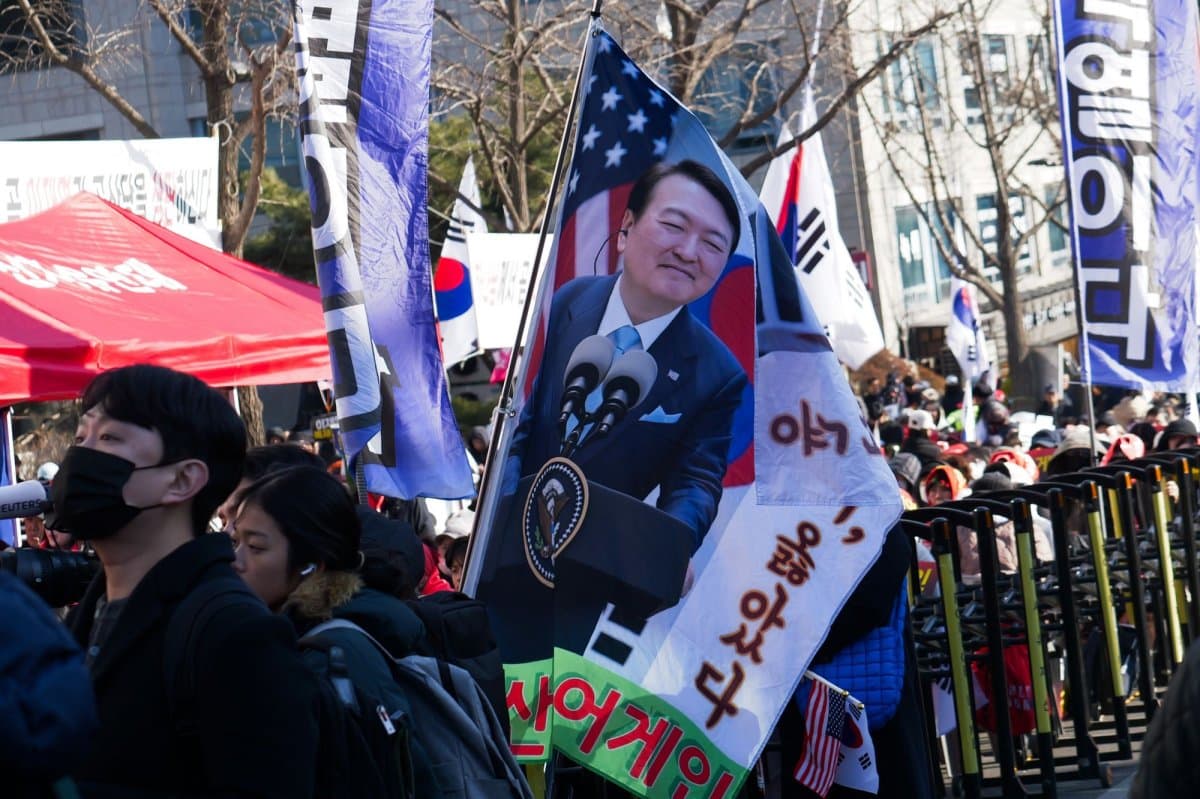
Former South Korean president Yoon Suk-yeol appeals life sentence for leading insurrection
14 sources compared