Asia24 February, 20262 min read
Former South Korean president Yoon Suk-yeol appeals life sentence for leading insurrection
This article is an automated aggregation of coverage from news outlets. Our editorials offer in-depth analysis curated by the NewsCord team.
Yoon Suk-yeol appealed his life sentence for leading an insurrection. Conviction stems from his Dec 3, 2024 declaration and brief imposition of martial law.
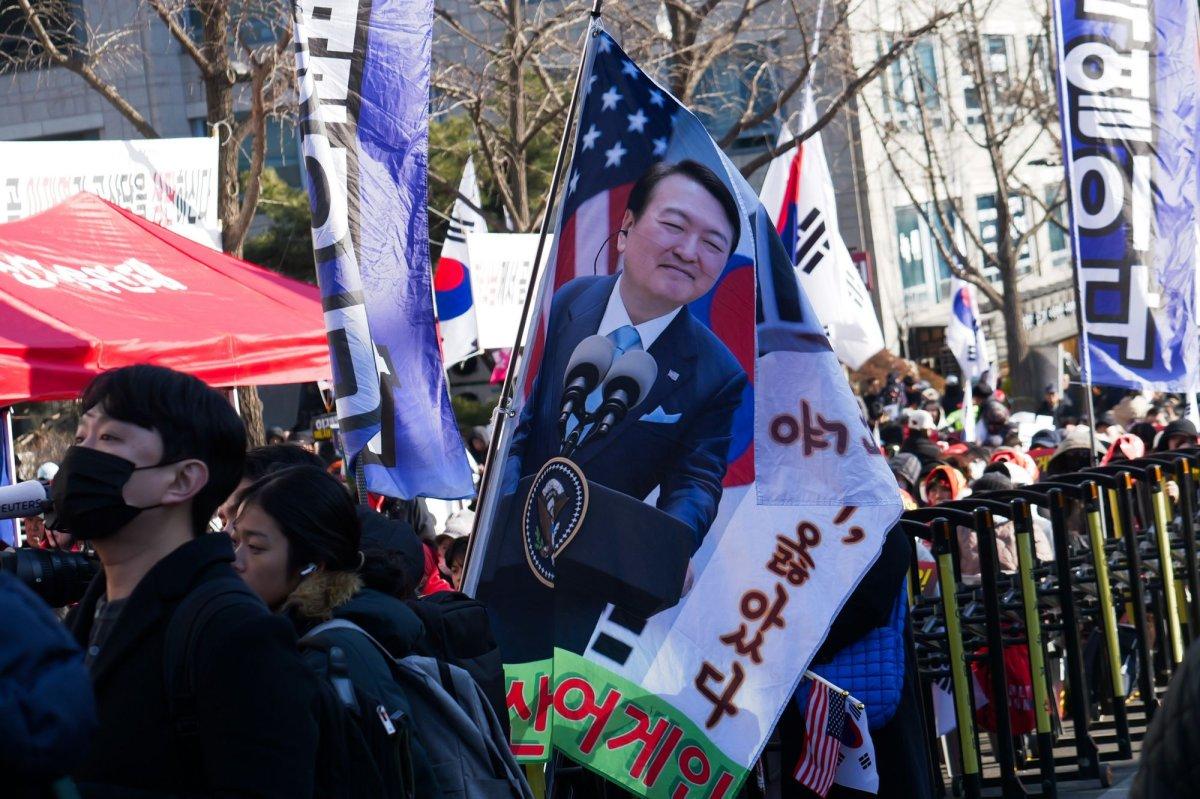
14 outlets told this the same way.
Outlets did split on Avalanche Strikes Himlung Himal Base Camp In Nepal, At Least 10 Missing →
Appeal of Yoon Suk Yeol
Former South Korean president Yoon Suk Yeol has formally appealed the life sentence handed down by the Seoul Central District Court after being convicted of leading an insurrection tied to his Dec. 3, 2024 declaration of martial law.
“South Korean former President Yoon Suk Yeol has appealed his conviction and life sentence for leading an insurrection tied to his failed attempt to impose martial law in December 2024, local media reported.”
Multiple outlets report his legal team filed the appeal five days after the court issued the life term and said they would challenge what they called legal errors and an overzealous indictment.

The conviction stems from the decree to deploy troops and block the National Assembly, an action the Assembly revoked hours later and which prosecutors say aimed to detain political opponents and disable the legislature.
Court ruling on Yoon decree
The Seoul Central District Court found that Yoon had ordered troops and police to the National Assembly with the intent to "paralyse" or "isolate" the legislature and to detain critics. Presiding judge Ji Gwi‑yeon was quoted in several reports as saying Yoon sought to disable the legislature for a prolonged period.
Prosecutors argued the December 3 decree aimed to block the Assembly from lifting martial law. Several accounts say the Assembly revoked martial law hours after the decree.

Yoon appeal and cases
Yoon’s lawyers have framed the appeal as a challenge to the court’s findings of fact and legal reasoning. They say they will contest what they describe as 'excessive' or 'overzealous' indictment and record objections 'for the judgment of history'. At the same time, prosecution teams and judges have highlighted the act’s social cost.
“His legal team said they must formally record the problems with the ruling for the court record and ‘the judgment of history.’”
Prosecutors had sought the death penalty in the case, noting a moratorium on executions, and a special prosecution said it will also appeal aspects of the process. Reports also note Yoon had earlier been sentenced to five years in a related obstruction case and faces other pending trials.
Dec. 3 martial law fallout
Observers and multiple reports place the Dec. 3 martial law episode in a broader political crisis.
The six-hour decree sparked protests, market turmoil and alarm among allies.
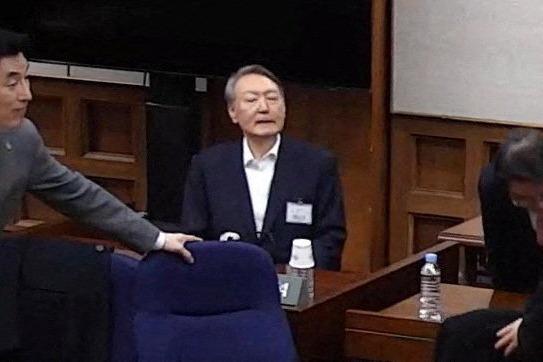
The Constitutional Court removed Yoon from office in April.
A June snap election brought Lee Jae‑myung to power.
Yoon apologised for the "hardship" caused by the decree but maintained it was taken "solely for the sake of the nation."
Others describe the appeal and trial as a next phase in one of South Korea's most serious recent political crises.