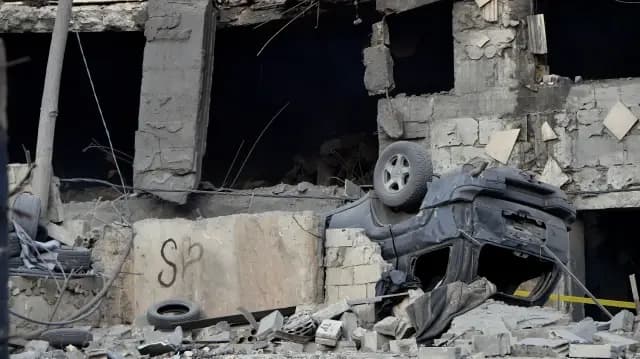
Israel Bombs Beirut; Lebanon Reports Hundreds Killed, 800,000 Displaced
Key Takeaways
- Israel conducted heavy airstrikes on Beirut and its southern outskirts
- Strikes killed civilians across multiple Lebanese locations
- Lebanese officials reported mass displacement and issued evacuation orders amid strikes
Scale of casualties
A rapid escalation of violence has seen Israel intensify a bombing campaign across Lebanon, with Lebanese authorities and multiple outlets reporting heavy casualties and mass displacement.
Anchorage Daily News reported that "More than 680 people, at least 98 of them children, have been killed in Lebanon in the past week, while Israeli evacuation orders and strikes have forced 800,000 people to flee, authorities here say."
The New York Times noted that "Col. Ella Waweya, a spokeswoman for the Israeli military, said it had struck more than two dozen sites in Lebanon late Wednesday and early Thursday" and that "Israel’s bombardment has killed more than 600 people in Lebanon, according to Lebanese officials."
WAFA described continued bombardment and summarized the toll: "Israeli forces continued on Thursday to bombard various areas across Lebanon, resulting in the killing of dozens of people, injuries to others, and the destruction of numerous buildings and infrastructure."
Targets and damage
The strikes have hit civilian districts and institutions across Beirut and southern Lebanon, with reporting documenting damage to residential buildings, hotels, universities, and public spaces.
The New York Times said "Israel’s bombardment of Lebanon has spread beyond the Dahiya" and that "Israel struck an apartment buildingin central Beirut on Wednesday morning, injuring at least four people" while also reporting that Israel had "struck two hotels in or near Beirut, including one that was housing displaced families."
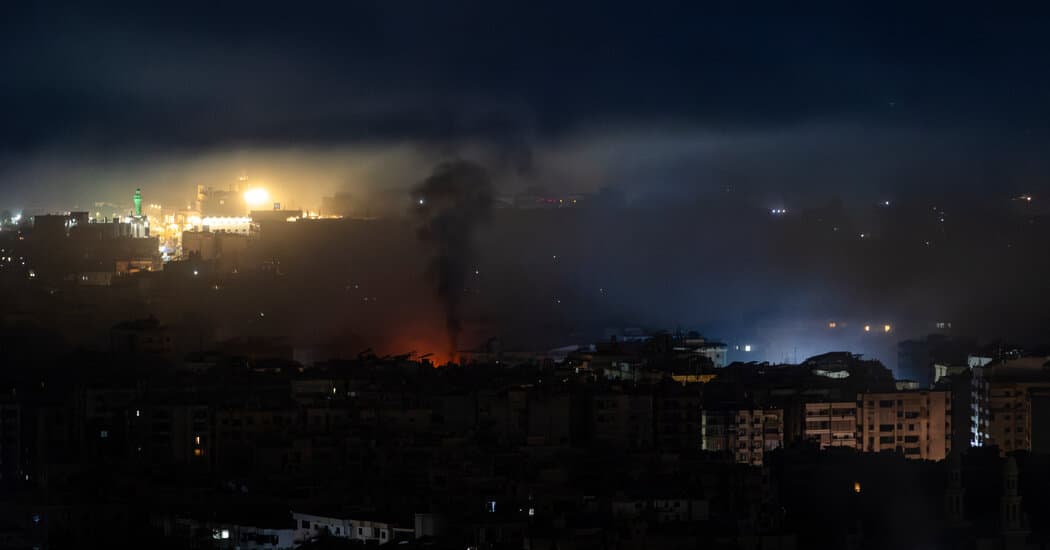
WAFA gave granular details of attacks in the capital, reporting "an airstrike on the seaside corniche in the Ramlet al-Baida area of the capital, Beirut, leaving 12 people killed and 28 others injured" and that "Israeli warplanes also struck the Faculty of Sciences at the Lebanese University in the Hadath area, killing the faculty’s director Hussein Bazzi and professor Mortada Srour."
Anchorage added that "Israeli airstrikes Thursday hit near schools, pubs and government buildings in the capital, Beirut, and pounded Lebanon’s southern borderlands."
Evacuations and displacement
Evacuation orders and warnings from the Israeli army have driven large internal displacement and humanitarian strain, with reports of people sheltering in stadiums and along the Beirut waterfront.
“BEIRUT, March 12, 2026 (WAFA) – Israeli forces continued on Thursday to bombard various areas across Lebanon, resulting in the killing of dozens of people, injuries to others, and the destruction of numerous buildings and infrastructure”
Anchorage reported that "Families have crammed into stadiums and spilled out onto the streets of the Beirut waterfront, and traffic has choked off roads needed by ambulances to reach the wounded," and that "Israel issued more sweeping orders Thursday, pushing Lebanese residents out of their towns and cities , and stoking fears of a long offensive."
WAFA documented the army "renewed evacuation threats for residents in the areas of Haret Hreik, Ghobeiry, Lailaki, Hadath, Burj al-Barajneh, Tahwitat al-Ghadir, and Chiyah" and "Heavy displacement movements were reported in areas south of the Zahrani River following warnings issued by the Israeli army urging residents to move north."
The New York Times also reported displaced families being housed in hotels and that some strikes "injur[ed] at least four people," underscoring the immediate civilian impacts of the displacement and damage.
Politics and regional context
Political and regional dynamics are central to the fighting: Lebanese officials have appealed for international intervention even as Israel frames its operations as targeting Hezbollah and its infrastructure, while Hezbollah and Iran have pledged continued retaliation.
Anchorage said Lebanon’s government "has appealed to U.S. and European leaders to intervene, officials said," that it even offered to "engage in once-taboo talks with Israel," and reported that "Hezbollah, a political and paramilitary group, said it fired dozens of rockets and drones across the border in the past day."
The New York Times reported Israel’s rationale: the military said it struck the Dahiya because of Hezbollah’s "deliberate decision to attack Israel on behalf of the Iranian regime" and quoted the Israeli military spokeswoman confirming extensive strikes.
WAFA noted Israeli bombardment and specific strikes that have killed civilians, underlining the domestic Lebanese impact of the regional confrontation: "Israeli forces continued on Thursday to bombard various areas across Lebanon, resulting in the killing of dozens of people."
Conflicting tallies
Numbers and reporting show some variation across outlets and at the level of individual strikes, leaving details of the overall toll and exact targets partially unclear in the immediate aftermath.
“War in theMiddle East Advertisement Supported by Lebanon’s health ministry said at least seven people were killed in the Beirut attacks early Thursday”
Anchorage provided an aggregated figure: "More than 680 people, at least 98 of them children, have been killed in Lebanon in the past week,"
while the New York Times cited "more than 600 people" killed "according to Lebanese officials."
WAFA supplied site-specific casualty counts such as that an airstrike on Ramlet al-Baida left "12 people killed and 28 others injured" and listed multiple other strikes and deaths, underscoring that totals differ across accounts and that precise, consolidated numbers remain unsettled in the sources.