
Israel Bombs Beirut’s Southern Suburbs, Assassinating Hezbollah Radwan Force Commander Malek Balou
Key Takeaways
- Israel strikes Beirut's southern suburbs, including Dahieh.
- Targets Hezbollah Radwan Force commander in the strike.
- First Beirut strike since Hezbollah ceasefire, threatening the already shaky ceasefire.
Beirut strike after ceasefire
Israeli forces bombed Beirut’s southern suburbs and claimed to have assassinated Malek Balou, a commander of Hezbollah’s Radwan Force, in what Lebanon’s state-run National News Agency said was an attack targeting Ghobeiri. The BBC said the air strike hit Dahieh, where Hezbollah is based, and reported that images posted online showed large flames and at least one building heavily damaged. The BBC also said the strike happened at around 20:00 local time (18:00 BST), with local media reporting that members of the unit were meeting when it occurred. Al Jazeera reported it was the first attack on Beirut’s southern, predominantly Shia area since a truce in the Israel-Hezbollah war went into force on April 17.
“Israeli forces have bombed Beirut’s southern suburbs and claim to have assassinated Malek Balou, a commander of Hezbollah’s Radwan Force”
Netanyahu and Lebanese officials
In a post on Telegram, Israeli Prime Minister Benjamin Netanyahu said, “Radwan terrorists are responsible for shooting at Israeli settlements and harming [Israeli army] soldiers. No terrorist has immunity – Israel’s long hand will catch every enemy and murderer,” as he confirmed the attack and said he and Defence Minister Israel Katz had instructed the army. The BBC reported there was “no reaction from Hezbollah” after the strike, while it said Israel and Hezbollah continued to accuse each other of violating the ceasefire. Lebanese President Joseph Aoun told Lebanon’s official agency that Israel was “delving once again into its aggression” and cited “the commission of a new massacre,” in a “stark challenge to all humanitarian values, trampling all efforts toward de-escalation and stability.” The Anadolu Ajansı report said Lebanese officials described the strikes as an apparent violation of the ceasefire, with Israeli air and drone strikes killing 16 people and injuring 21 others, including rescuers, and damaging a school.
Casualties, zones, and next steps
The BBC said Lebanon's health ministry reported the attacks had killed more than 120 people across the country in the past week alone, and that the ministry does not distinguish combatants from civilians. It also said Israel occupies a strip of Lebanese land along the border and that officials say the aim is to create what they describe as a Hezbollah-free security zone, while rights groups say some cases could amount to war crimes. In the same reporting, the BBC said Netanyahu stated the commander targeted had been responsible for attacks on Israeli communities and for targeting Israeli soldiers, and it described residents in Dahieh fearing returning home because of the threat of Israeli strikes. Anadolu Ajansı added that since March 2, Israeli attacks against Lebanon have killed at least 2,704 people and wounded 8,311, and displaced more than 1.6 million people, about one-fifth of the population, according to the latest official figures. The BBC also said talks between Israel and Lebanon, supported by the US, continued largely at the ambassador level, with Lebanese President Joseph Aoun rejecting a meeting with Netanyahu any time soon.
“Lebanon: Israeli airstrikes kill at least 16 people and injure 21 others, including rescuers, and damage a school, Lebanese officials said on Wednesday, in what appears to be the latest apparent violation of the ceasefire”
More on Lebanon
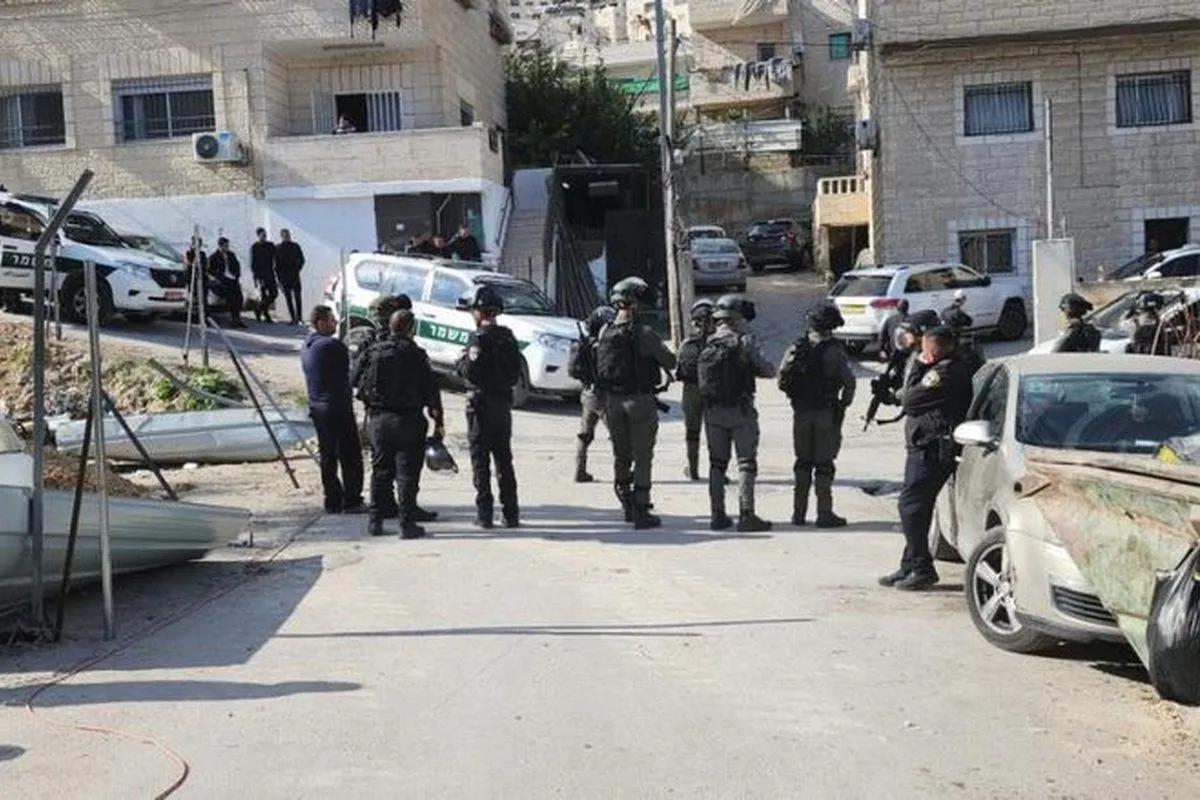
Israeli Occupation Forces Issue Demolition Notices for 50 Shops in Al-Eizariya Under E1 Plan
10 sources compared
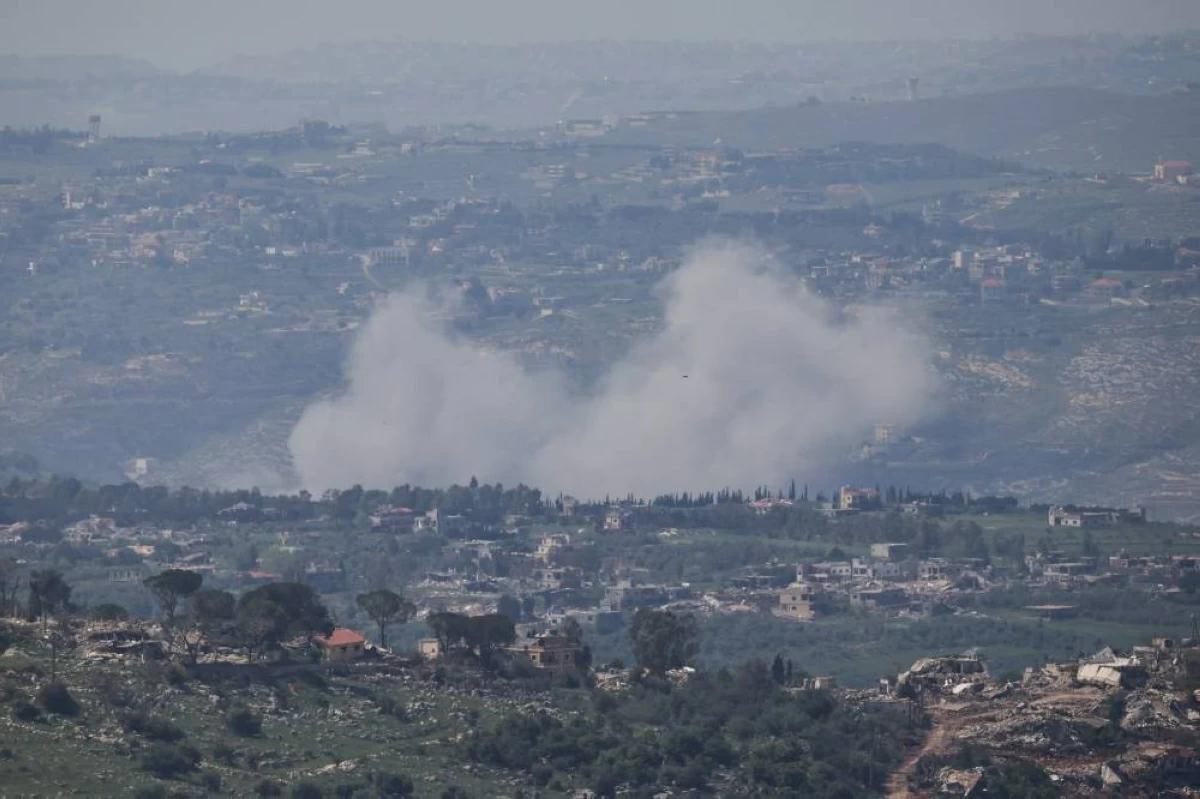
Israel Kills At Least Six People in Strikes Across Southern and Eastern Lebanon
11 sources compared

Israel Strikes Hezbollah Infrastructure in Southern Beirut as Germany Backs Lebanon Operation
17 sources compared

Bezalel Smotrich Promises His Son More Destruction In Lebanon, Threatens Beirut’s Southern Suburbs
12 sources compared