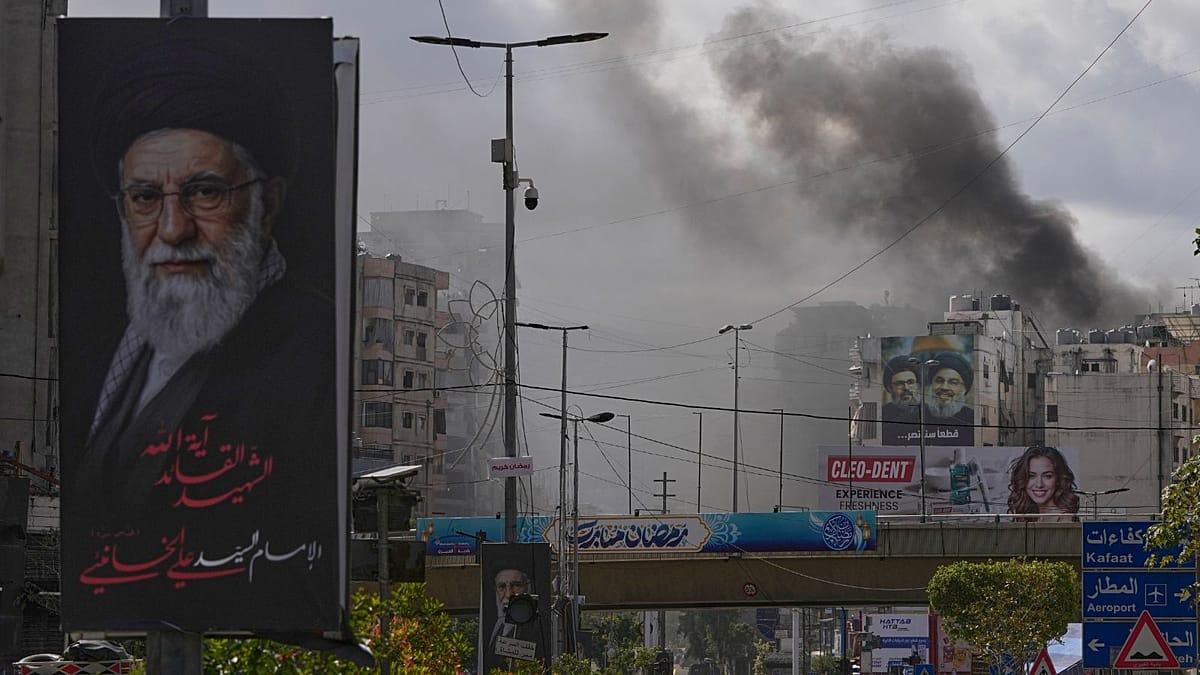
Israel Continues Strikes in Lebanon, Undermining US-Iran Ceasefire Agreement
Key Takeaways
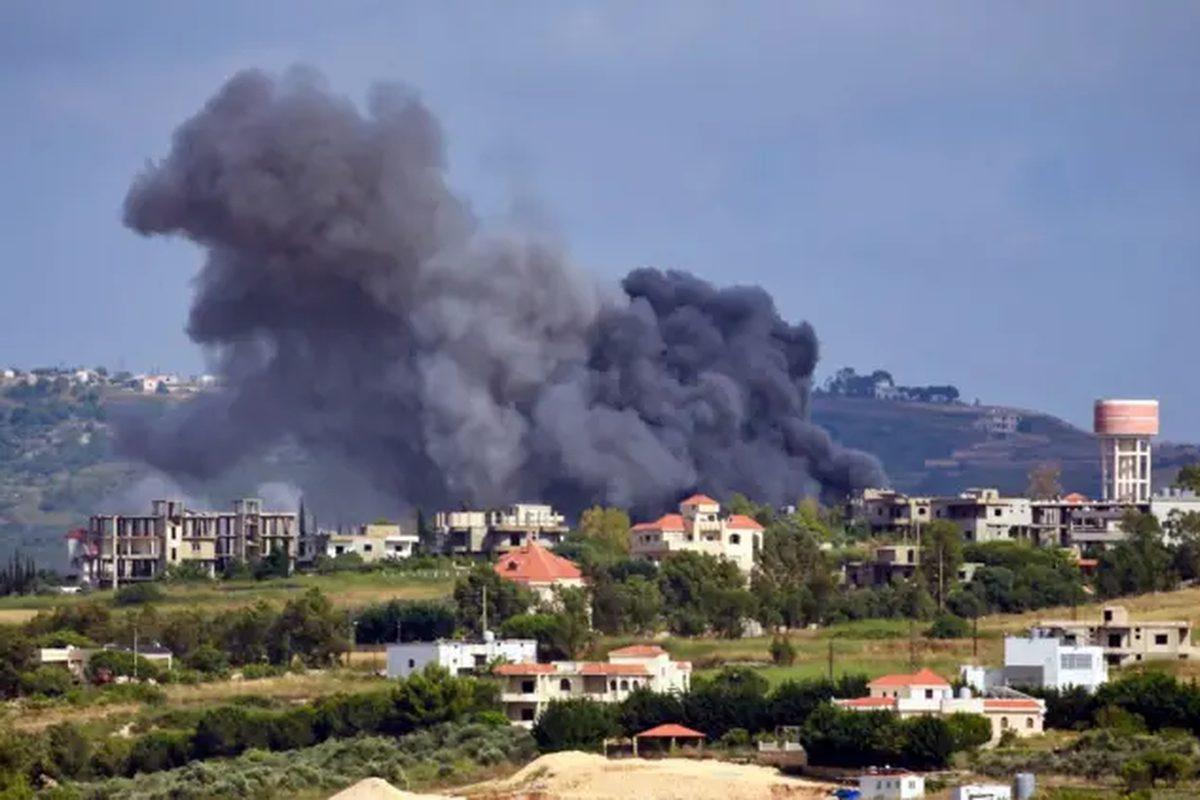
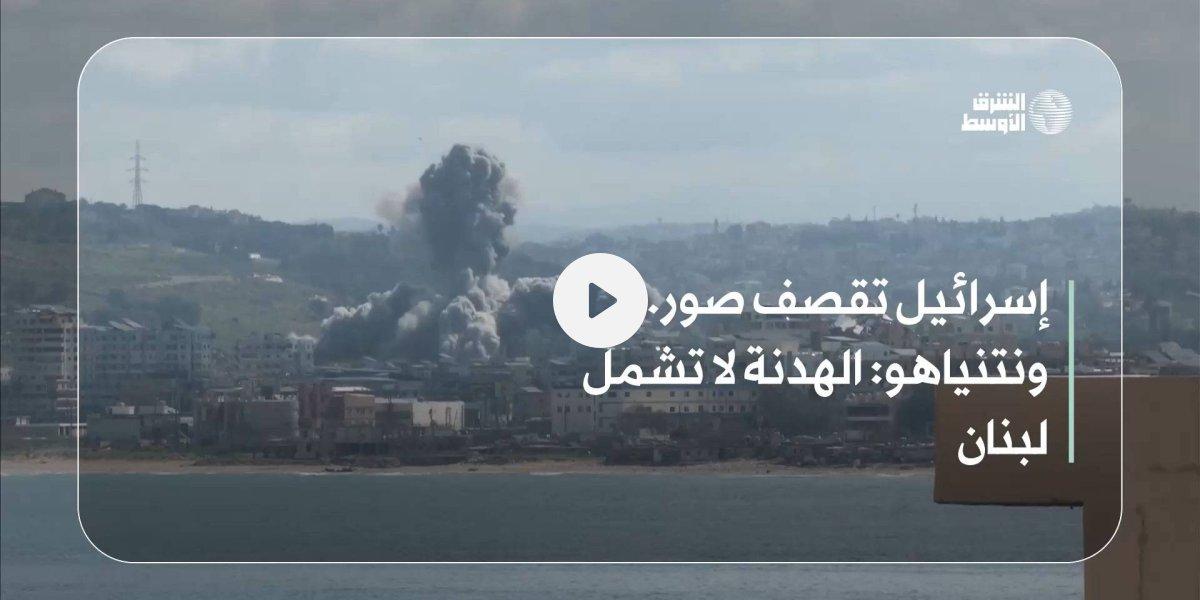
- Israel launched a large-scale assault across Lebanon with mass airstrikes.
- Strikes jeopardize the US-Iran two-week ceasefire framework, prompting Iran to accuse Washington of violating terms.
- Casualties mount in Lebanon, with hundreds killed and civilians injured.
Israel-Lebanon Ceasefire Rift
The two-week US-Iran ceasefire faced immediate strain as Israel insisted it would continue operations against Hezbollah in Lebanon.
Netanyahu said there is no cease-fire in Lebanon and Israel will continue to strike until Hezbollah is disarmed.

The Israeli military carried out its largest wave of strikes in Lebanon since hostilities began, killing at least 303 people.
The White House said Lebanon was not included in the ceasefire, while Pakistan included Lebanon in its statement.
Netanyahu instructed his cabinet to open direct talks with Lebanon about disarming Hezbollah.
Ceasefire Fragility
Less than 24 hours after the ceasefire took effect, field developments raised serious doubts about its continuation.
Wide-scale Israeli attacks on densely populated areas in Lebanon resulted in the death and injury of hundreds of people.
Many of the war's objectives were not achieved, including the elimination of Iran's nuclear program.
The IMF expects to provide up to $50 billion in immediate financial assistance to affected countries.
The New York Times concluded that the world has become more fragile as a result of the conflict.
Strait of Hormuz Uncertainty
The status of the Strait of Hormuz remained unclear despite being a central objective of the ceasefire.
The first non-Iranian oil tanker passed through the Strait on April 4, but traffic remained at a trickle.
Iran insisted it had the right to collect tolls for passage, a move that would violate international law.
The Strait was effectively closed as Iran blocked commercial traffic and threatened to mine the waterway.
Iran's control of the Strait has given it a bargaining chip more influential than its nuclear program.
Global Economic Impact
The economic repercussions of the war were already being felt.
Oil prices rose above $100 a barrel and remained volatile.

Increased energy costs could drive inflation higher in many countries.
Even if the Strait were fully reopened, returning to normal would take time.
The ceasefire's fragility added to global uncertainty.
Diplomatic and Military Fallout
The ceasefire's fragility was underscored by diplomatic and military developments.
NATO would be willing to play a role in a possible Strait of Hormuz mission.
Iran's demands were described as extreme and hard for the United States to accept.
House Democrats lambasted the Trump administration's ceasefire negotiations as chaotic.
The Israeli offensive in Lebanon was a contentious point in the ceasefire.
More on Lebanon
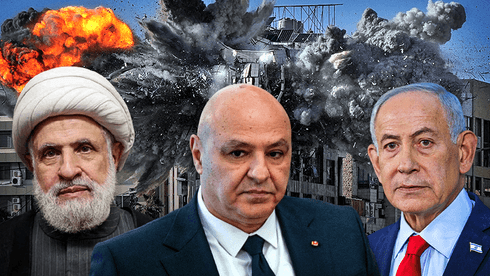
Netanyahu Announces Direct Talks With Lebanon to Disarm Hezbollah Amid Ongoing Attacks
12 sources compared
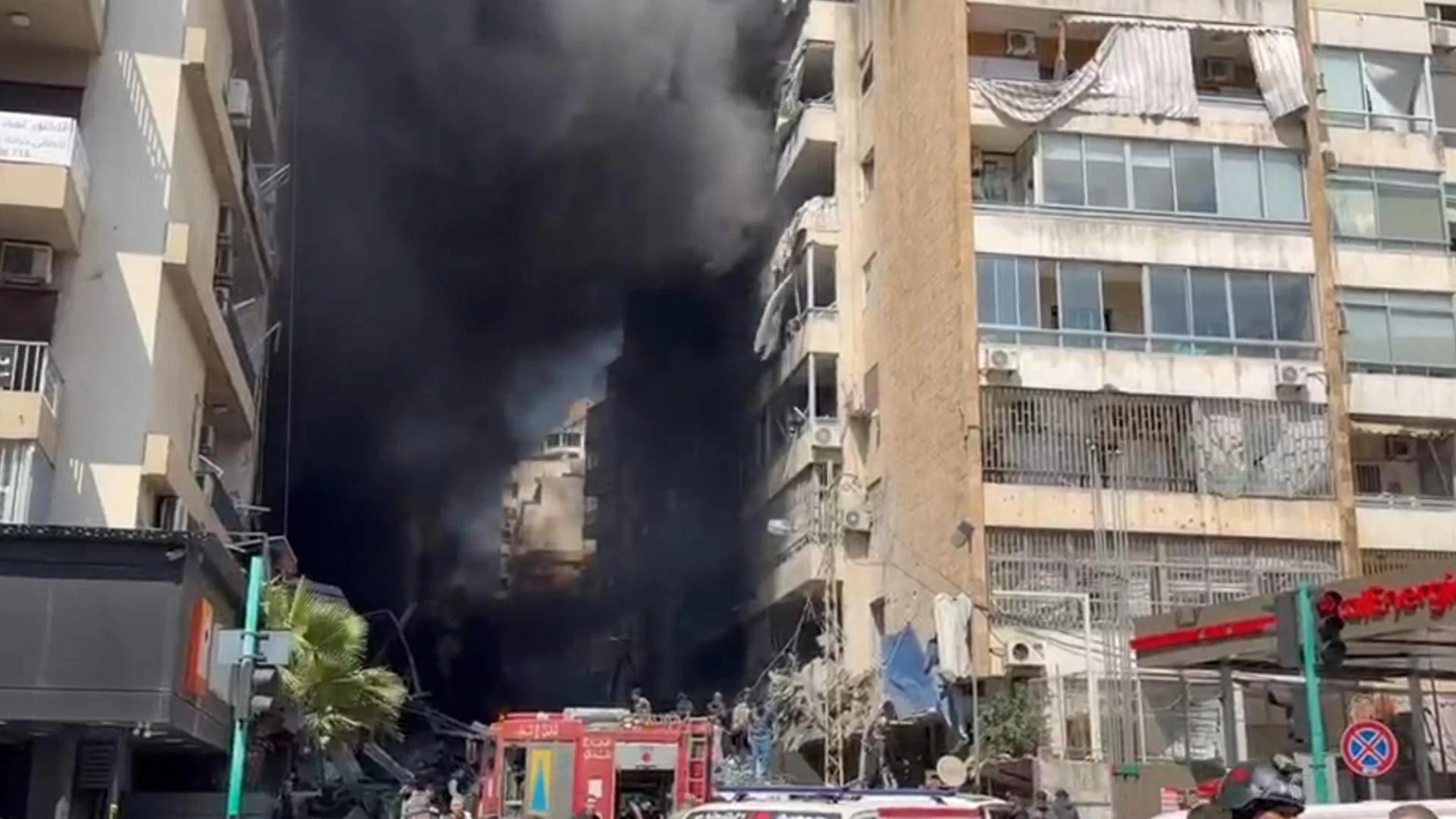
Israel Kills Over 250 in Deadliest Lebanon Strikes Despite U.S.-Iran Ceasefire
58 sources compared

European Leaders Demand Lebanon Inclusion In U.S.-Iran Ceasefire Amid Israeli Attacks
36 sources compared
Israel Bombs Beirut Three Hours After U.S.-Iran Ceasefire, Kills Over 300
11 sources compared