
Israel Controls About 1,000 Square Kilometers in Gaza, Lebanon, and Syria
Key Takeaways
- Israel controls roughly 1,000 square kilometers across Gaza, southern Lebanon, and southern Syria.
- Expansion follows post-October 7 doctrine, creating de facto borders and security zones.
- Estimates vary: roughly 1,000 to 1,220 square kilometers reported.
Territory seized across fronts
Since the October 7, 2023 attacks, Israel has controlled roughly 1,000 square kilometers of land in Gaza, Lebanon, and Syria, a figure the Financial Times said reflects an escalating trend toward entrenching a military presence and a long-term occupation in scattered areas of Arab states.
The Financial Times calculations cited by عربي21 say the Israeli army has entrenched military positions across the three areas, bringing the total areas under its control to about 5% of the 1949 borders.

In southern Lebanon, the Financial Times said Israeli forces penetrated up to 12 kilometers to create what the occupation calls a 'security zone,' while in Gaza the occupation currently controls more than half of the territory and is creating additional buffer zones that exceed the 'Yellow Line.'
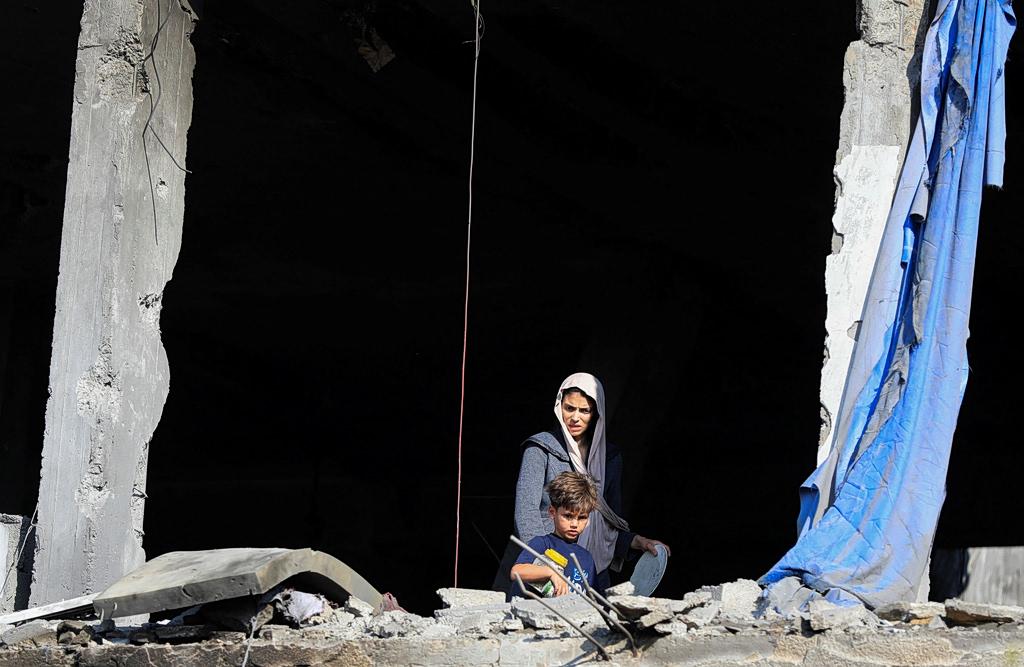
A UN official cited by عربي21 said the depth of the additional zones ranges between 50 and 100 meters, further reducing the space available to civilians who number about two million Palestinians living today in roughly 40% of the Gaza Strip's area before the war.
The Financial Times also said Israeli sites inside Syria cover an area of about 233 square kilometers, and that the Israeli army refused to comment on the calculations while stating its forces 'are deployed in border-adjacent areas and across various operational zones.'
Netanyahu’s buffer zones
Prime Minister Benjamin Netanyahu has framed the expansion as security, with Folha de S.Paulo quoting him saying, "This buffer zone completely removes the immediate threat of invasion and anti-tank fire," as Israeli forces advanced up to about ten kilometers in southern Lebanon.
The same report said Israel is imposing an additional buffer zone in Gaza beyond the so-called 'yellow line,' and that a UN official put the additional zone at about 50 to 100 meters deep, leaving the 2 million residents of Gaza crammed into about 40% of its pre-war territory.
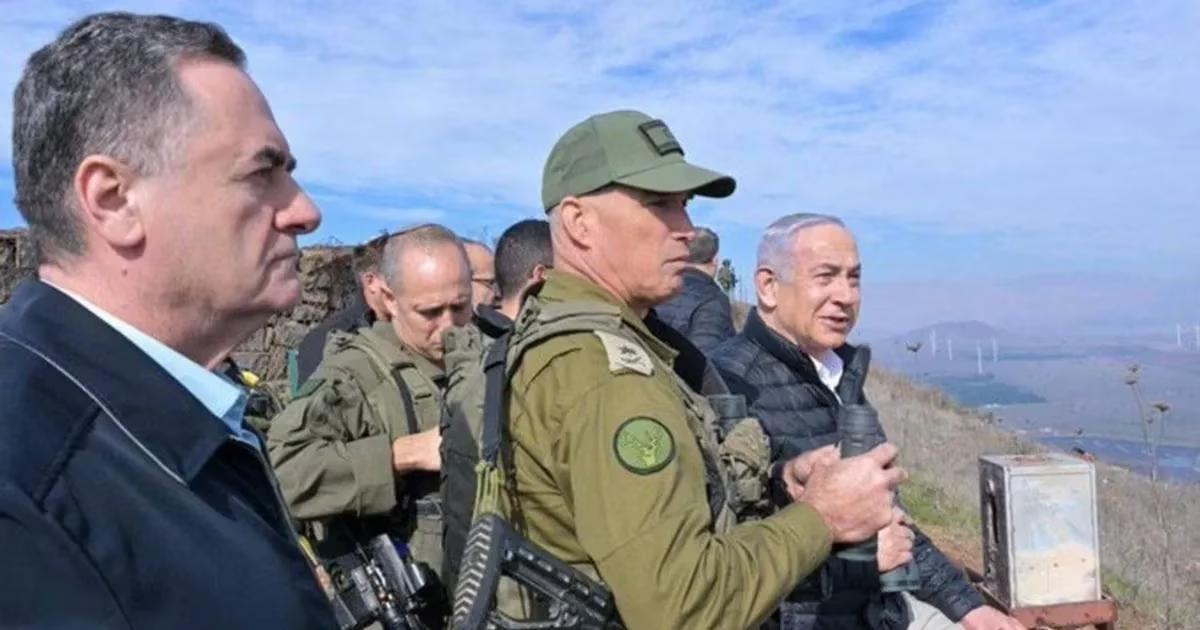
In Syria, Folha de S.Paulo reported that Israeli forces took positions several kilometers inside the country after the collapse of Bashar al-Assad's regime, while noting that neither Israeli nor Syrian authorities were explicit about where troops are located.
Yaakov Amidror, described by Folha de S.Paulo as Netanyahu's former national security adviser now a researcher at the Jinsa think tank in Washington, said he expects Israel to permanently maintain a buffer zone of up to two kilometers in Gaza.
Amidror also said Israeli forces will remain in Lebanon 'at least until the stage when Hezbollah is disarmed,' a scenario Lebanese authorities and analysts are skeptical could happen so soon, according to the same report.
Diplomacy, deaths, and stakes
In a separate account of the political stakes, Le Monde.fr said the turning point was the assassination, on December 13 in Gaza, of Raad Saad, a Hamas military official described by Israel as one of the architects of the October 7 attack.
Le Monde.fr reported that since the announcement of the cessation of hostilities, on October 10, about 400 Palestinians have died from Israeli fire and bombardments, while three Israeli soldiers have been killed.
A White House official told Axios on Friday, December 26 that, "He has lost them. The only one left is the president," describing Netanyahu's standing among figures including J. D. Vance, Marco Rubio, Jared Kushner, Steve Witkoff, and Susie Wiles.
The same Le Monde.fr piece said Netanyahu's visit to Mar-a-Lago on Monday, December 29 was shaping up to be delicate, with the article tying the Gaza agreement to Washington’s irritation after multiple violations of the ceasefire brokered by President Trump.
Across the region, the Financial Times warning relayed by عربي21 said diplomats and regional officials fear these military arrangements could become a permanent reality, especially amid ongoing military operations and the lack of clear political settlements.
More on Gaza Genocide
UN Warns Israel’s Forces Killed Palestinians Near Gaza Armistice Line, Possible War Crimes
10 sources compared

Benjamin Netanyahu Orders Israel Defense Forces To Expand Gaza Control To 70%
24 sources compared
Trump’s Gaza Board of Peace Fund Receives Zero Donor Money, Reconstruction Stalls
10 sources compared

UN Places Israel On Blacklist For Conflict-Related Sexual Violence After Patten Gets No Response
10 sources compared