Israel Intensifies Attacks as Conditional Ceasefire Hinges on Hezbollah Withdrawal From Southern Lebanon
Key Takeaways
- Ceasefire conditional on Hezbollah withdrawal from southern Lebanon and halting attacks.
- Washington-hosted talks produced a trilateral agreement among US, Israel, and Lebanon.
- Israeli attacks in southern Lebanon continued despite talks.
Conditional ceasefire in Lebanon
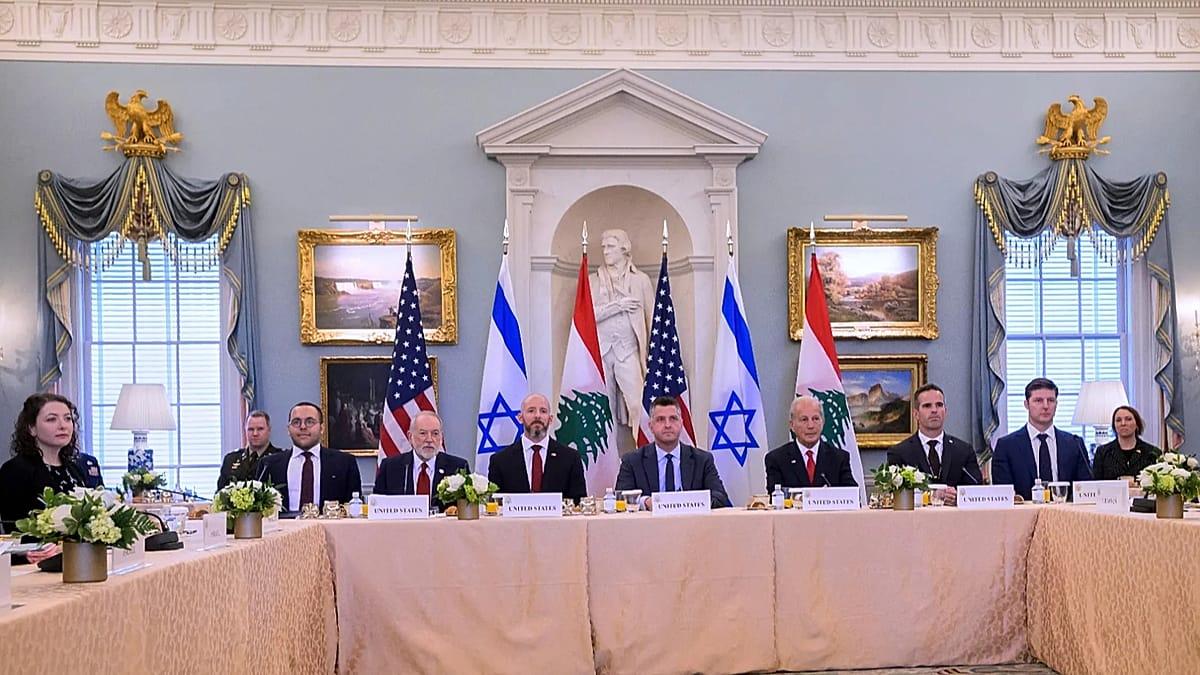
Israel and Lebanon reached an agreement on implementing a ceasefire after diplomatic talks led by the United States in Washington, but the joint statement said implementation is entirely conditional on Hezbollah's complete halt of rocket and drone attacks and the withdrawal of the group's operational forces from southern Lebanon.
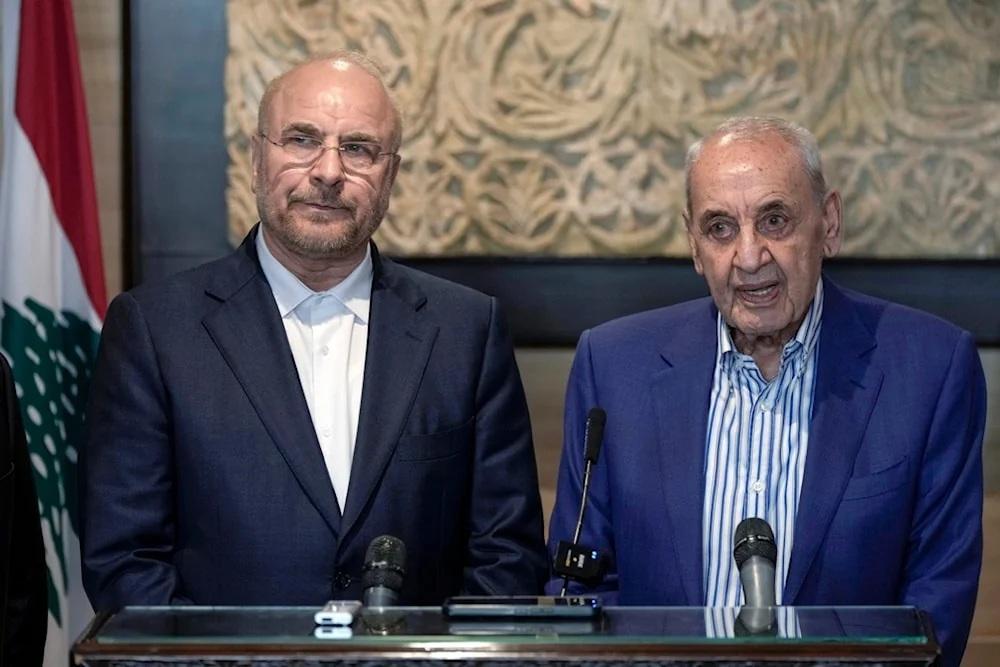
“Lebanese Parliament Speaker Nabih Berri and Iranian Parliament Speaker Mohammad Bagher Ghalibaf discussed the latest developments in Lebanon and the region in a phone call on Tuesday, focusing on the political and military situation related to the memorandum of understanding signed between the United States and Iran, particularly the clause concerning ending the Israeli war on Lebanon”
The VOA Farsi report said the United States, Lebanon, and Israel issued a joint statement on the evening of Wednesday, 13 Khordad, that the ceasefire is provided Hezbollah's forces fully stop fire and withdraw from the area south of the Litani River.
In Washington, the parties also agreed to establish on an experimental basis ‘areas’ where the Lebanese armed forces would have exclusive control of the region by removing all non-state actors.
The ceasefire was announced as Israel intensified its attacks and carried out its deepest ground incursion into Lebanon in two decades, while Wednesday clashes continued in cross-border form.
The Lebanese Health Ministry said Israel’s strikes in the Al-Housh area near Sidon killed four Syrians and two Palestinians, and it also reported that another strike targeted an ambulance killing two aid workers affiliated with the Al-Risala Al-Insaniyah relief organization.
Hezbollah rejects partial halt
Hezbollah’s senior official Mahmoud Qomati warned that the group would not accept a partial ceasefire, leaving uncertainty over how the conditional agreement would play out.
The VOA Farsi report said the joint statement emphasized that any attempt by any country or non-state actor to hostage Lebanon's future is rejected, and it said Israel and Lebanon pledged to continue direct talks to build trust.
The same VOA Farsi account said the delegations discussed a security framework based on the 8 Khordad talks at the Pentagon, including disarming non-state armed groups and preventing their re-emergence.
In parallel, the VOA Farsi report quoted Marco Rubio’s remarks on 12 Khordad that Hezbollah is 'not only an enemy of Israel and the United States, but also an enemy of Lebanon.'
The Al-Arabi TV account described Israeli military sources saying the army 'is not at all ready' to carry out a withdrawal of the size and speed being discussed for southern Lebanon.
Dispute over Lebanon clause
Israeli parties and officials expressed opposition to including Lebanon in the Iran–U.S. agreement plan, with Asr Iran saying some Israeli officials openly said that the Tel Aviv regime did not bind itself to this clause.
“The United States, Lebanon, and Israel, on the evening of Wednesday, 13 Khordad, issued a joint statement saying that following a new round of trilateral talks hosted in Washington, Israel and Lebanon have reached an agreement on implementing a ceasefire, provided Hezbollah's forces fully stop fire and withdraw from the area south of the Litani River”
Asr Iran reported that Itamar Ben-Gvir wrote in a tweet that “Israel is an independent state and does not bind itself to the agreement between the United States and Iran, and we are not a banana republic.”
The same report said Israel Katz stated that “We and Netanyahu have adopted a clear policy according to which the army will remain in security zones in Lebanon, Syria, and Gaza.”
Meanwhile, Shafaqna’s translation service relayed that Al Jazeera wrote that the Lebanese National News Agency (NNA) reported Israeli strikes on Khiam and a drone strike on a vehicle in the town of Kfar Tabnit, along with artillery shelling in Kfar Tabnit and Nabatieh al-Fouqa.
The VOA Farsi report also said Iran’s Foreign Minister Abbas Araghchi warned that any attack on Beirut would spark a “full-scale” resumption of war, tying the Lebanon front to the broader negotiations.
More on Lebanon
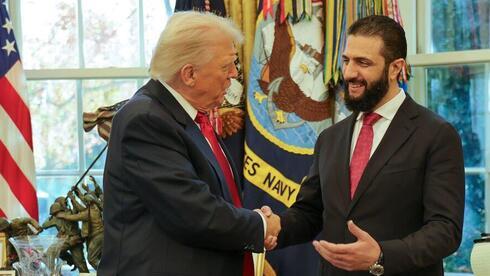
Trump Tells Netanyahu To Be More Responsible With Lebanon, Suggests Syria Fights Hezbollah
25 sources compared

Iran Warns of Harsh Response as Israeli Strikes Kill Four in Nabatieh Governorate
11 sources compared

Netanyahu Says Israel Will Remain in Lebanon Security Zones After Iran Victory
11 sources compared

Israel Prepares for Iranian Missile Salvo as U.S.-Iran Ceasefire Deal Is Announced in Geneva
27 sources compared