Israeli Strike Kills One in Southern Lebanon as Hezbollah Fires at Israeli Troops
Key Takeaways
- Israel conducted strikes in Lebanon as Hezbollah fired at Israeli troops.
- Clashes occurred amid US-Iran ceasefire negotiations to end the wider conflict.
- Beirut and southern Lebanon were hotspots during the escalation.
Ceasefire, then strikes
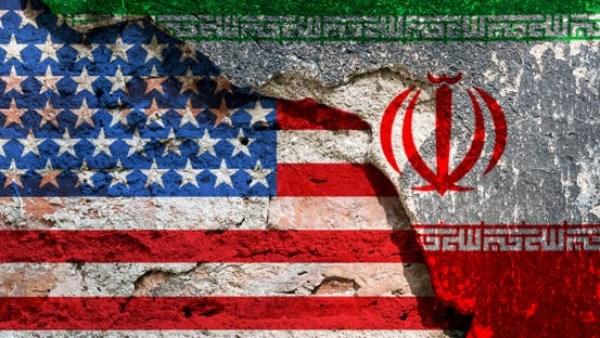
Fighting in Lebanon eased significantly on Monday after a U.S.-Iran deal to end the wider conflict, but it did not halt completely as an Israeli strike killed one person and Hezbollah fired at Israeli troops in southern Lebanon.
The deal was linked to a clause calling for "the immediate and permanent termination of military operations on all fronts, including in Lebanon," and Pakistan said it was struck early on Monday local time.

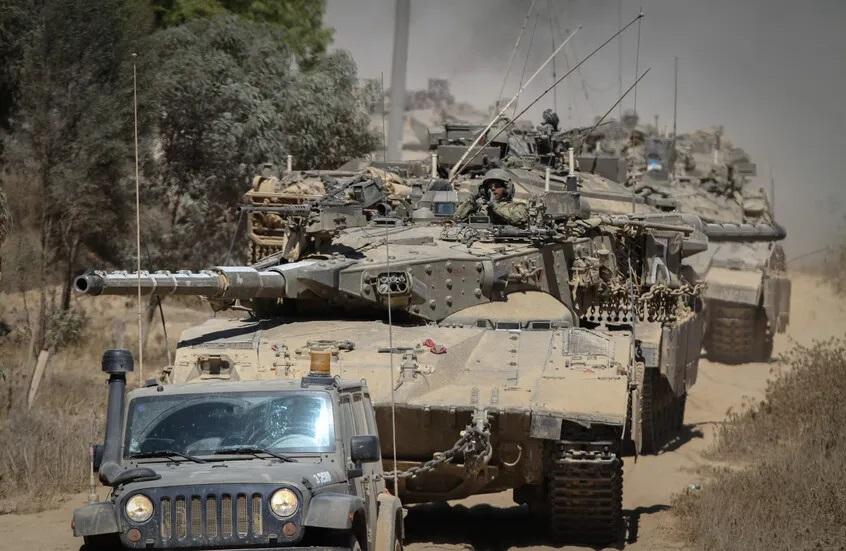
In southern Lebanon, the Israeli military confirmed it intercepted rockets launched by Hezbollah toward an area where troops were operating and said anti-tank missile and mortar shells were also fired, with no injuries reported.
Reuters reported that Hezbollah’s position on the ceasefire was linked to Israel adhering to it, and a Hezbollah official told Reuters the group rejects Israeli "freedom of movement" in Lebanon.
The immediate context also included a drone strike on a car in the southern Lebanese town of Kfar Tebnit that killed the driver, even as municipal councils urged residents to hold off on returning home.
Diverging signals
Hezbollah welcomed the U.S.-Iran deal in a written statement on Monday before Israel’s drone strike, saying it had resulted in a comprehensive ceasefire, including in Lebanon.
But Israeli officials cast doubt on whether the war in southern Lebanon was finally over, with Al Jazeera reporting that statements from Israeli officials raised questions about whether the conflict was "finally over."

Lebanon’s President Joseph Aoun issued a carefully worded statement on Monday saying he was grateful to those who had worked toward de-escalation in Lebanon and appreciated the deal’s recognition of the importance of his country’s stability.
In Israel, Prime Minister Benjamin Netanyahu said late on Monday that his troops would remain in southern Lebanon "as long as needed," and he said Iran had demanded a withdrawal but that he "stood firm."
The dispute over how the ceasefire would be enforced also surfaced in Lebanon’s displacement warnings, as Mona Mazeh in Beirut’s Hamra district told Reuters she was hesitant because "Israel cannot be trusted," while the Lebanese army called on residents not to rush to return to border villages.
What’s at stake next
The sources framed the stakes as both humanitarian and strategic, with Al Jazeera saying Israel has killed at least 3,783 people in Lebanon and wounded 11,699, while more than 1.2 million people have been displaced from the south, Beirut’s southern suburbs, and villages in the Bekaa Valley.
“Fighting in Lebanon eased significantly on Monday but did not halt completely despite a U”
Al Jazeera also reported that Lebanon’s Parliament Speaker Nabih Berri, a close Hezbollah ally, praised the deal and regional actors including Pakistan, Qatar, Saudi Arabia and Egypt, and he thanked Iran and the U.S. for including a clause "on halting Israeli aggression against all of Lebanon, to preserve its sovereignty over its entire territory."
At the same time, Israeli Defence Minister Israel Katz said the security zone in southern Lebanon would be cleared of local residents and that Israel would target "all terrorist infrastructure, including houses," as the BBC and Reuters described continued violence and searches in the region.
NBC News warned that renewed fighting between Israel and Hezbollah could scupper the U.S.-Iran deal, pointing to Israel’s preparations for an incoming salvo of Iranian missiles and to Netanyahu seeking a meeting with President Donald Trump.
In the background of the ceasefire’s implementation, the AP-linked PBS report said the agreement would extend their shaky ceasefire and lead to the reopening of the Strait of Hormuz, but it emphasized that significant challenges remain, including whether Israel will continue its offensive in Lebanon.
More on Lebanon

Netanyahu Hails Victory Over Iran, Rules Out Immediate Withdrawal From Lebanon
30 sources compared
Israel’s Defense Minister Israel Katz Says Israel Will Not Withdraw From Lebanon
12 sources compared
Trump Says U.S.-Iran Deal Ends Fighting, Reopens Strait of Hormuz as Israel Rejects Lebanon Terms
27 sources compared
Hezbollah Welcomes Iran-US Cease-Fire, Demands Full Israeli Withdrawal From Lebanon
16 sources compared