
Israel Kills Iran's Security Chief Ali Larijani in Overnight Strike
Key Takeaways
- Israel killed Ali Larijani, Iran's security chief and secretary of the Supreme National Security Council.
- Iran confirms Intelligence Minister Esmail Khatib killed in overnight strikes.
- Iran vows retaliation, launching missiles and targeting energy infrastructure in the region.
Assassination Details
Israel killed Ali Larijani, Iran's top security official and Secretary of the Supreme National Security Council, in a precision airstrike on Monday night, March 16, 2026.
Larijani, 67, was widely considered one of the most powerful figures in the Islamic Republic since the assassination of Supreme Leader Ayatollah Ali Khamenei on February 28.

The strike also killed Larijani's son Morteza Larijani and his chief of office Alireza Bayat in what Israeli officials described as a precise operation targeting the regime's security apparatus near Tehran.
Israel Defense Forces spokesperson Avichay Adraee described Larijani as 'one of the oldest and most prominent figures at the top of the pyramid of the Iranian terrorism regime.'
The assassination came amid a broader campaign that has eliminated several senior Iranian officials within weeks.
Iranian Response
Iran responded swiftly to Larijani's assassination with missile and drone attacks targeting Israel and Gulf Arab states.
Iranian President Masoud Pezeshkian issued a strongly worded message vowing retaliation, stating 'Without a doubt, harsh revenge awaits the perpetrators.'

The Islamic Revolutionary Guard Corps launched multiple-warhead Khorramshahr-4 and Qadr missiles at central Israel.
Iran's foreign minister Abbas Araghchi attempted to downplay the significance of the leadership losses.
Domestic reports from Iranians fleeing into Iraq described widespread fear and heightened security measures.
Regional Impact
The assassination of Larijani has significant regional and international implications, particularly affecting the Strait of Hormuz.
“Since launching their war on Iran on February 28, Israel and the United States have systematically removed much of Iran’s top tier of military and political leaders, including Supreme Leader Ali Khamenei, who was killed on the opening day of the war along with several of his family members”
The United States conducted heavy airstrikes on Iranian missile sites near the strategic waterway using bombs weighing up to 5,000 pounds each.
Global energy markets have been strained by the disruption, with oil prices spiking and highlighting the economic costs of the conflict worldwide.
In the Gulf region, Saudi Arabia reported shooting down a ballistic missile targeting Prince Sultan Air Base hosting American forces.
Russia lodged an official protest with Israel after strikes near the Bushehr nuclear power plant.
Strategic Significance
The killing of Larijani represents a critical inflection point in Iran's leadership structure and the broader Middle East conflict.
Analysts describe Larijani as a pragmatic architect of the regime's survival strategy who served as a bridge between ideological hardliners and the pragmatic political class.
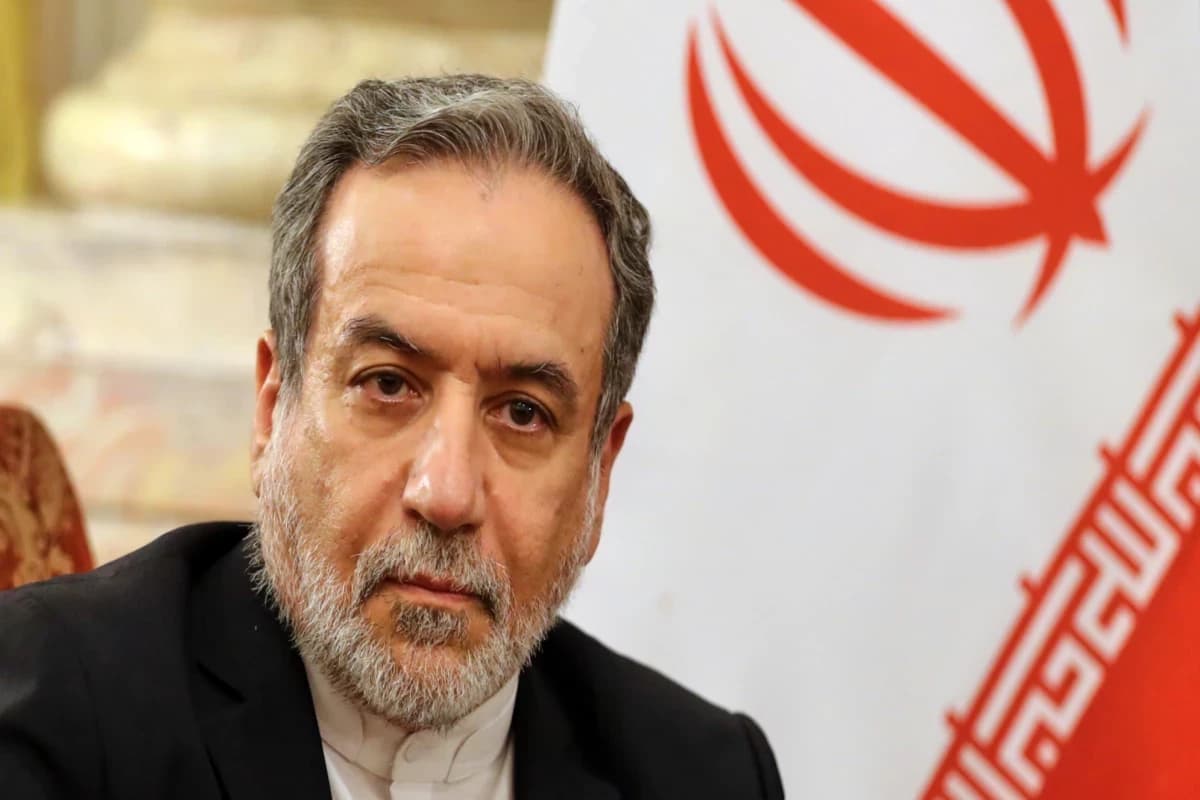
His influence transcended his formal title as he was central to managing three major crises: the war, domestic unrest, and stalled nuclear negotiations.
The loss of these leadership figures has paralyzed Iran's command structure, raising the risk of erratic, uncoordinated escalations.
The power vacuum created by these leadership losses could accelerate Iran's shift toward more radical military postures and harsher domestic repression.
International Response
The assassination campaign against Iranian leadership has prompted international reactions and raised concerns about the escalating conflict's trajectory.
“Ali Larijani, believed to be running Iran since the beginning of the war, is killed in a strike Ali Larijani, believed to be running Iran since the beginning of the war, is killed in a strike DUBAI, United Arab Emirates (AP) — Ali Larijani, a top Iranian security official and a conservative force within Iran’s theocracy, was killed in an Israeli strike, Iranian authorities confirmed Tuesday”
US intelligence chief Tulsi Gabbard told a Senate hearing that Washington 'assesses the regime in Iran to be intact but largely degraded due to attacks on its leadership and military capabilities.'
The conflict has also seen internal dissent within US ranks, with Joe Kent announcing his resignation because he 'cannot in good conscience' back the Trump administration's war in Iran.
In Iraq, the US Embassy in Baghdad came under repeated attacks, with security sources reporting a drone 'directly hit the embassy.'
The human cost continues to mount across the region, with at least 1,300 people killed in Iran, more than 900 in Lebanon, and 14 in Israel according to officials in those countries.
More on Iran

Israel Kills Iran's Intelligence Minister Esmail Khatib
31 sources compared

Israel Kills Ali Larijani and Gen. Gholam Reza Soleimani in Overnight Strikes
31 sources compared

Trump Waives Jones Act for 60 Days to Relieve Oil Price Surge Amid Iran War
10 sources compared

President Trump waives Jones Act to ease fuel costs amid US-Israel war against Iran.
10 sources compared