
Trump Waives Jones Act for 60 Days to Relieve Oil Price Surge Amid Iran War
Key Takeaways
- Trump issued a 60-day Jones Act waiver to relieve rising fuel costs amid Iran war.
- Foreign-flagged vessels may transport oil and other cargo between U.S. ports.
- White House spokesperson Karoline Leavitt confirmed the waiver to mitigate short-term oil-market disruptions.
Trump Announces Jones Act Waiver
President Donald Trump has issued a 60-day waiver of the century-old Jones Act in an effort to address soaring fuel prices caused by the ongoing US war with Iran.
“United States President Donald Trump has waived a more than century-old maritime shipping law in an effort to quell rising fuel costs amid the ongoing US and Israeli war against Iran”
The White House confirmed the temporary suspension, which allows foreign-flagged vessels to transport cargo between US ports, a move designed to ease supply bottlenecks and lower energy costs amid the Middle East conflict.
The waiver represents one of several emergency measures being employed by the Trump administration to counter the economic fallout from the Iran conflict, which has disrupted global supply chains and driven oil prices above $100 per barrel.
Jones Act Details
The Jones Act, signed into law in 1920 by President Woodrow Wilson, normally requires that goods shipped between US ports must be carried on vessels that are US-built, US-flagged and mostly US-owned.
This requirement limits the number of tankers available for domestic shipments and is supported by maritime industry unions.

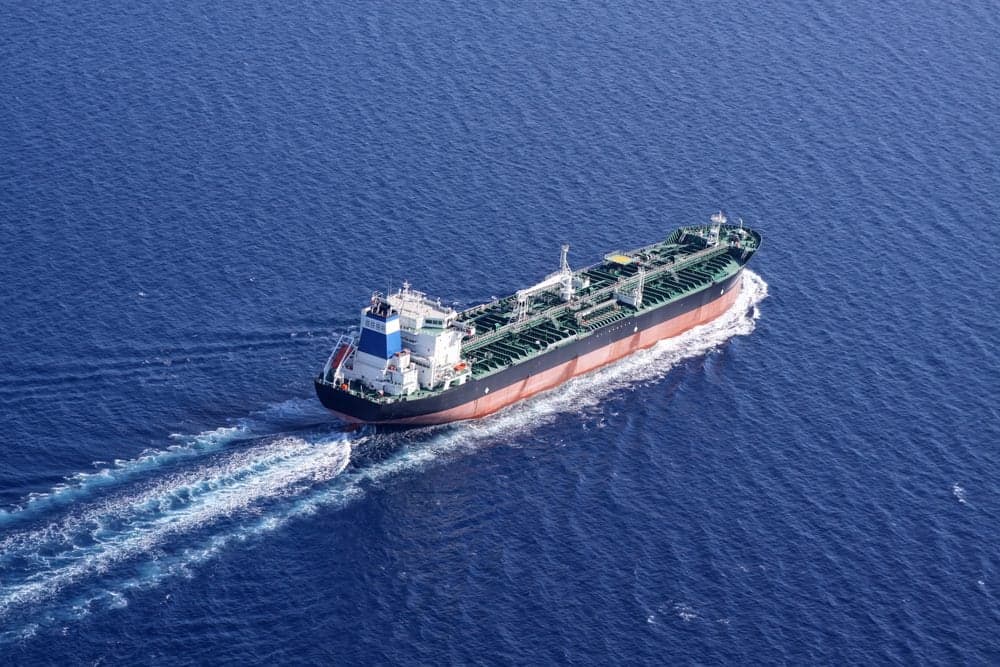
The temporary exemption allows foreign-flagged vessels to transport oil, liquefied natural gas, fertilizer, coal, and other critical commodities between US ports, effectively opening domestic coastwise trade to international shipping for the next two months.
The waiver was issued under Section 501(a) of the Merchant Marine Act, which permits the government to allow foreign vessels to carry domestic cargo when deemed "necessary in the interest of national defense to address an immediate adverse effect on military operations."
Iran War Context
The waiver comes amid escalating tensions with Iran, where the war has effectively closed the Strait of Hormuz, a vital oil chokepoint that carries about a fifth of the world's oil out of the Gulf region.
“President Donald Trump waived a century-old shipping law Wednesday to allow foreign vessels to ship goods between American ports, as the administration races to contain rising fuel prices caused by the war in Iran”
Iran's control over the narrow passageway and threats to ships have disrupted global energy supplies and sent oil prices soaring.
The Trump administration has been employing multiple strategies to address the crisis, including releases from the Strategic Petroleum Reserve and adjustments to sanctions policy.
The White House press secretary Karoline Leavitt emphasized that the waiver is part of Operation Epic Fury, stating it will "allow vital resources like oil, natural gas, fertilizer, and coal to flow freely to U.S. ports for sixty days" as the military continues meeting its objectives in the Iran conflict.
Industry Criticism
The decision has drawn significant criticism from US maritime industry groups who warn the waiver could displace American workers and companies.
The American Maritime Partnership, a coalition representing the US domestic maritime industry, expressed deep concern about what they called a "60-day, broad waiver being abused and unnecessarily displacing American workers and American companies."

The group emphasized that "the law sets a high bar: this waiver exists solely to address an immediate threat to military operations, not to displace American workers or reward foreign operators."
Maritime labor groups had previously warned in a letter to the White House that waiving the Jones Act would do nothing to reduce gasoline prices, arguing "the primary driver of gasoline prices is the cost of crude oil, not domestic shipping costs."
These groups also cautioned that any marginal savings would be unlikely to reach consumers and instead create opportunities for foreign-flag operators that avoid US taxes and rely on lower-cost labor.
Administration Defense
Despite industry skepticism, the Trump administration maintains the waiver is necessary to mitigate short-term disruptions to the oil market.
“The White House has approved a 60-day Jones Act waiver, moving forward with a controversial policy that U”
White House officials argue that the temporary suspension will help strengthen critical supply chains during the ongoing conflict.
The administration has also noted that the waiver represents a relatively small intervention compared to other measures being taken, with the American Maritime Partnership itself acknowledging that "the maximum potential impact of domestic shipping on the cost of gasoline nationwide is less than one penny per gallon."
The waiver comes amid broader efforts to stabilize energy markets, including attempts to enlist support from allies to secure the Strait of Hormuz, though U.S. allies have been declining to take part in military efforts to secure the vital shipping route.
The decision represents the latest in a series of emergency actions taken by the administration to address the economic fallout from the Iran war, which has created significant challenges for global energy markets and domestic fuel supplies.
More on USA

Dolores Huerta Accuses César Chávez of Sexually Abusing Her
93 sources compared

President Trump waives Jones Act to ease fuel costs amid US-Israel war against Iran.
10 sources compared

Rand Paul Opposes Mullin's Homeland Security Nomination Over Anger Issues and Inflammatory Remarks.
13 sources compared

Lieutenant Governor Stratton Defeats Krishnamoorthi in Illinois Senate Primary
20 sources compared