Iran20 March, 20263 min read
Israel Kills IRGC Spokesman, Iran Threatens Retaliation
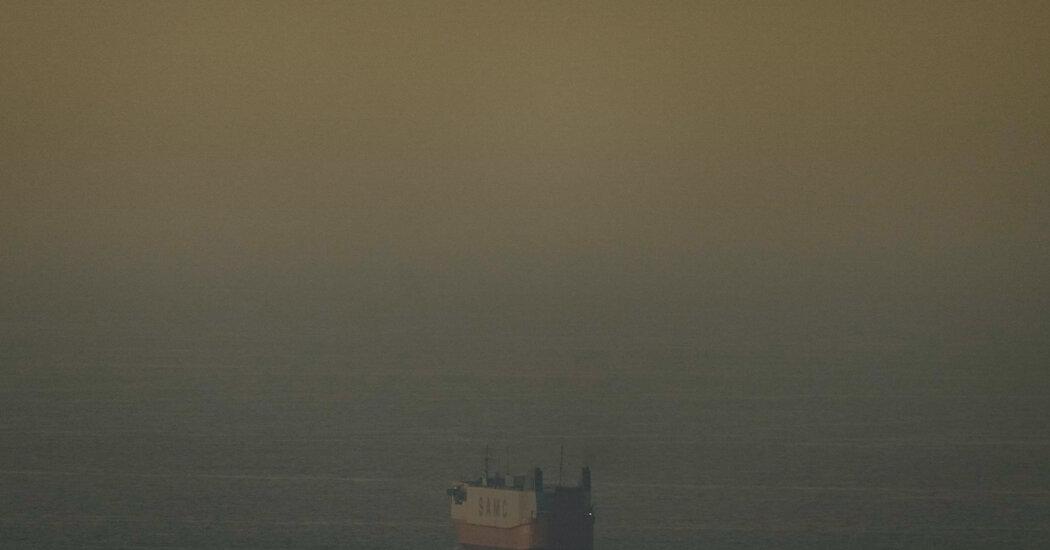
Iran warns it could target American and Israeli military personnel. Strait of Hormuz largely blocked by Iranian attacks, prompting U.S. pressure.
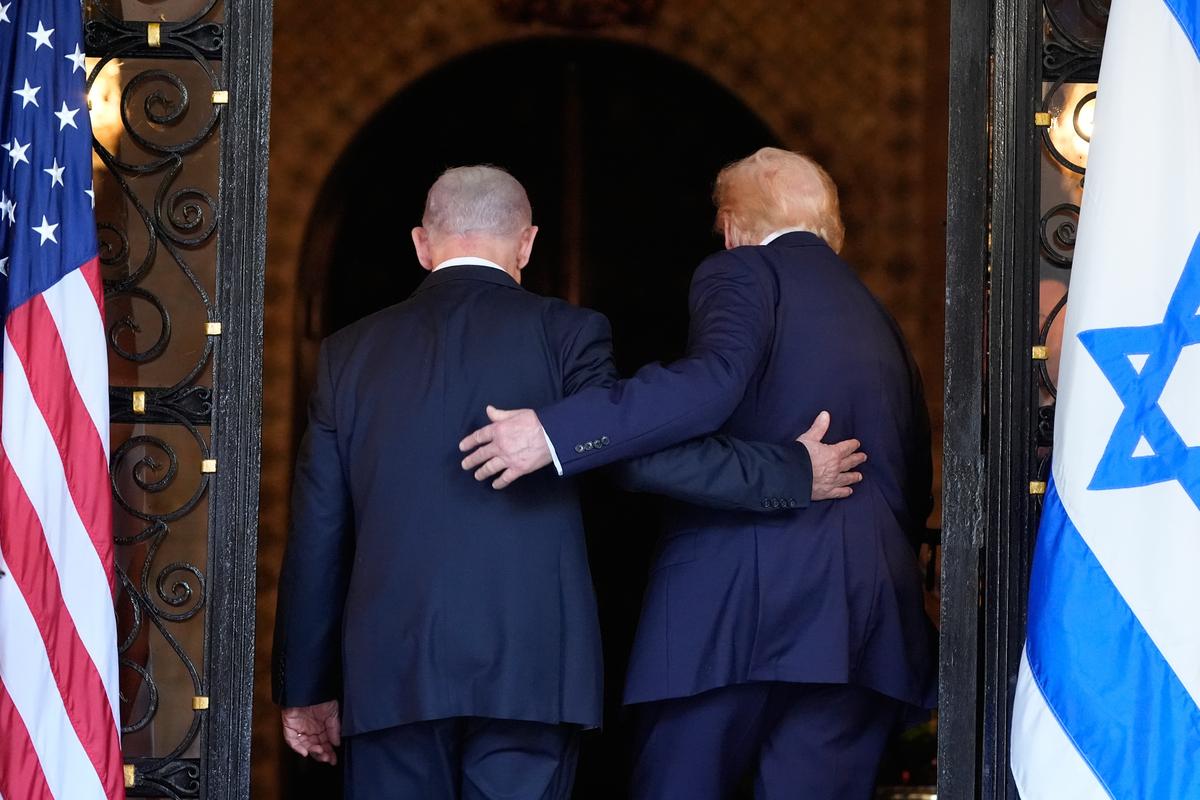
IRGC Spokesman Killed
Israel has killed Ali Mohammad Naini, the spokesman for Iran's Islamic Revolutionary Guards Corps, in coordinated US and Israeli strikes. Iranian state TV confirmed Naini's death while the Israeli military claimed responsibility for the targeted assassination. In response, Iran's new Supreme Leader Ayatollah Mojtaba Khamenei called for the enemies of Iran to have their 'security must be taken away'.
“The Israeli military said it had killed the spokesman for Iran's Islamic Revolutionary Guards Corps, and Iran warned that it could target American and Israeli military personnel.”
The Revolutionary Guard has continued to fire waves of missiles and drones at Israel and neighboring Gulf states despite losing multiple senior leaders. Iran's former Supreme Leader Ayatollah Ali Khamenei was killed in the opening salvo of the war on February 28.

Military Escalation
The US and Israel have significantly escalated military operations against Iran. American warplanes and attack helicopters ramped up assaults against Iranian drones and naval vessels. These operations aim to reopen the strategically crucial Strait of Hormuz.
Iran's effective blockade of the vital waterway has driven up oil prices and destabilized global markets. Israeli Prime Minister Benjamin Netanyahu claimed Iran was being 'decimated' and that the conflict would end earlier than feared. President Trump sent mixed signals about the war's continuation.

Targeted Killings History
Israel's targeted killing of Iranian leaders represents a continuation of a strategy used throughout its history. Experts note mixed results from such decapitation strikes. In the current conflict, Israel has systematically eliminated multiple senior Iranian figures including Ali Larijani, Gholamreza Soleimani, and Esmaeil Khatib.
“Israel has carried out dozens of targeted killings throughout its history, but Palestinian and Lebanese militant groups have often endured and grown even more powerful after the loss of top leaders.”
Historically, such operations have shown varied outcomes. The 2003 US-led invasion that dismantled Saddam Hussein's government plunged Iraq into chaos.
The 2011 NATO intervention in Libya paved the way for Moammar Gadhafi's capture and death but left the country divided. Targeted killings of Palestinian militant leaders like Hamas founder Sheikh Ahmed Yassin in 2004 and Hezbollah leader Abbas Musawi in 1992 failed to eliminate those movements.
Strategic Risks
Military and political analysts warn that Israel's strategy of leadership decapitation carries significant risks. The strategy may ultimately backfire and lead to more extreme tactics rather than desired regime change. A senior Israeli intelligence official acknowledged that decapitation strikes had degraded Iran's political leaders' ability to issue orders.
Northeastern University political scientist Max Abrahms noted that 'leadership decapitation is risky' and violence against civilians spikes after targeted killings. When restraint leaders are eliminated, their successors often adopt more extreme tactics. Mohanad Hage Ali emphasized that decapitation without political follow-through doesn't work.

Iranian Resilience
Despite heavy losses, Iran's military apparatus has demonstrated resilience. The Revolutionary Guard insisted that Tehran was still building missiles and that the war would continue. The spokesman countered Netanyahu's claim that Iran could no longer build missiles.
“The spokesman for Iran's paramilitary Revolutionary Guard insisted Friday that Tehran was still building missiles, seeking to counter a claim by Israeli Prime Minister Benjamin Netanyahu that it no longer could. Gen. Ali Mohammad Naeini also said the Iran war would go on. 'These people expect the war to continue until the enemy is completely exhausted,' the general said of the Iranian public. 'This war must end when the shadow of war is lifted from the country.'”
The spokesman stated 'These people expect the war to continue until the enemy is completely exhausted'. Israel has expanded its military operations beyond Iran. Israel struck central Beirut and targeted Hezbollah installations.
Lebanon's Health Ministry reported 10 people killed in two attacks Wednesday morning. The Israeli military destroyed a building in the Bachoura neighborhood after issuing evacuation orders.
Political Uncertainty
The ongoing conflict has created significant uncertainty about Iran's political future. American and Israeli officials suggest that Iran's new Supreme Leader Mojtaba Khamenei may have been injured in the war. Mojtaba Khamenei has not been seen publicly since being named as supreme leader.
Netanyahu framed the targeted killings as part of a strategy to facilitate an uprising against the Iranian government. Netanyahu aims to replace it with a pro-Western government similar to the monarchy overthrown in 1979. There has been no sign of such an uprising since the war began.
Former Israeli military intelligence official Yossi Kuperwasser assessed that targeted killings are effective but not 'cure for all problems'. He noted there is 'change in regime' in Iran as 'The people are not the same people.'