
Israel Kills Lebanese Journalist Amal Khalil in Airstrikes on Al-Tiri Shelter
Key Takeaways
- Amal Khalil, Al-Akhbar journalist, killed by Israeli airstrike in al-Tiri while seeking shelter.
- Zeinab Faraj, Khalil's colleague, wounded in the same strike.
- Lebanon's prime minister condemned the strike as a war crime.
Khalil killed in al-Tayri
Lebanese journalist Amal Khalil, who worked for the Lebanese newspaper Al-Akhbar, was killed on Wednesday in southern Lebanon when Israeli airstrikes hit the town of al-Tiri and the house where she and photographer Zeinab Faraj had taken shelter.
“Lebanese Prime Minister Nawaf Salam has accused Israel of crimes against humanity for killing journalist Amal Khalil and wounding her colleague Zeinab Faraj in an air strike in the village of al-Tayri in southern Lebanon”
The BBC reported that Khalil and Faraj were moving together in the area when an initial strike hit a vehicle in front of them, killing two men, and that Lebanese officials said the journalists were then subjected to deliberate targeting as they tried to take shelter inside a house.

The BBC also said the Israeli army “deliberately targeted a clearly marked ambulance that was en route to the journalists’ location,” and it quoted Lebanese Prime Minister Nawaf Salam accusing Israel of war crimes in a statement: “Targeting the journalists, hindering relief teams from reaching them, and even resuming attacks on their locations after these teams arrived, constitute war crimes.”
CBS News similarly reported that Khalil bled to death in the ruins of a building hit by an Israeli drone strike after Israeli forces’ gunfire prevented ambulance crews from reaching her “for nearly four hours,” according to Lebanon’s Union of Journalists.
CBS News added that Zeinab Faraj was also wounded, and that the Lebanese Health Ministry said the IDF pursued Khalil and Faraj, “targeting the house to which they had fled.”
Al Jazeera said Khalil was last heard from at about 4:10pm local time (13:10 GMT) when she called her family members and the Lebanese military, and it reported that her body was recovered shortly before midnight, more than seven hours after the attack.
Across the accounts, the incident is described as a “double-tap” strike, with a first strike killing two civilians and a second strike hitting the shelter where Khalil was trapped under rubble.
Ceasefire, obstruction, and threats
Multiple outlets tied the killing to the timing of a ceasefire between Israel and Lebanon, while also describing repeated obstruction of rescue efforts.
El País said Khalil’s death occurred while a ceasefire, “in force since last Thursday,” foresaw “a ten-day halt to hostilities by Israeli troops in Lebanon,” and it described the attack as occurring even though the ceasefire was in effect.

Democracy Now! reported that Israeli forces killed Khalil “despite a ceasefire between Israel and Lebanon,” and it said emergency and medical workers rescued Faraj but “came under fire before they could rescue Khalil, and were prevented by the Israeli military from returning for over six hours.”
The BBC similarly described Lebanese officials saying the Israeli army “deliberately targeted a clearly marked ambulance” and said the Lebanese Health Ministry stated the ambulance was subjected to “a sonic blast and gunfire from Israeli forces, preventing it from reaching them.”
Al Jazeera said rescue workers initially tried to reach Khalil but “came under Israeli fire and were forced to withdraw,” and it reported that a second strike then hit the house where the journalists had sought refuge.
The accounts also include a prior warning to Khalil, with El País noting that Lebanon’s government accuses Israel of deliberately targeting her and her colleague Zeinab Faraj, and that the Lebanese government accuses Israel of having deliberately targeted her “along with her colleague Zeinab Faraj.”
Democracy Now! added that Khalil told local media in 2024 she had received a death threat from Israel’s Mossad spy agency warning her to leave southern Lebanon or risk decapitation, and it quoted her: “We will separate your head from your shoulders if you don’t leave from the south.”
Lebanon and CPJ condemn
Lebanese leaders and press freedom groups condemned the killing as a war crime and framed it as part of a broader pattern of attacks on media workers.
“The Death of Journalist Amal Khalil, and Lebanon Accuses Israel of Deliberately Targeting Her - Author: Tom MacArthur and Helen Sullivan - Role: BBC News - Reading time: 5 minutes Lebanese Prime Minister Nawaf Salam accused Israel of committing a war crime after the death of a journalist and injuries to another, caused by Israeli airstrikes that targeted the town of al-Tiri in southern Lebanon on Wednesday”
BBC reported that Lebanese Prime Minister Nawaf Salam accused Israel of committing a war crime and quoted him directly: “Targeting the journalists, hindering relief teams from reaching them, and even resuming attacks on their locations after these teams arrived, constitute war crimes.”
CBS News also quoted Salam’s accusation, saying he accused Israel of war crimes in a social media post and describing the targeting of media workers as “no longer isolated incidents, but … an established approach that we condemn and reject.”
El País said Beirut announced it will turn to international justice because it considers the Israeli attack that killed Khalil a “war crime,” and it reported that the Lebanese government accuses Israel of deliberately targeting her and Faraj.
Democracy Now! quoted Sara Qudah, Middle East and North Africa regional director at the Committee to Protect Journalists, saying the deliberate obstruction is “a war crime and requires an international investigation.”
Al Jazeera included a statement from the Committee to Protect Journalists that Khalil’s killing “must be a wake-up call for the international community to enforce international law, urgently investigate Israel’s 262 killings of journalists across the region, and hold all those responsible to account.”
The Guardian described international outrage and quoted Joseph Aoun saying Israel’s “deliberate and consistent targeting of journalists” was “aimed at concealing the truth of its aggressive acts against Lebanon, in addition to constituting crimes against humanity punishable under international laws and conventions”.
Israel denies; IDF says review
While Lebanese officials and press groups described deliberate targeting and obstruction, Israeli statements in the reports emphasized denial, investigation, and claims about threats to troops.
The BBC said the Israeli army “denied that it prevented rescue teams from reaching the area, insisting that it did not target journalists,” and it quoted the Israeli army’s position that it “does not target journalists, and works to minimize harm to them while preserving the safety and security of its forces.”

The BBC also reported that the Israeli army said it had identified two vehicles that left a military facility used by Hezbollah and that one vehicle approached Israeli forces in a way that posed an “immediate threat” after crossing an “advanced defense line,” in breach of the ceasefire.
CBS News similarly said the Israel Defense Forces denied that troops had prevented rescue teams from reaching the site and stated it “does not target journalists and acts to mitigate harm to them while maintaining the safety and security of its troops.”
CBS News added that the IDF said it had identified and targeted two vehicles that left “a military structure used by Hezbollah ... and approached the troops in a manner that posed an immediate threat to their safety,” and it said the IDF then struck a building where the two reporters were sheltering two hours later.
Sky News reported that Israel “has said it's investigating the strikes and denies targeting rescue efforts,” and it described the accusation that Amal Khalil was targeted because she was in one of several vehicles which moved into the Israeli occupation zone.
In the Guardian, Ophir Falk told the BBC’s World at One that the incident was under review but said, “we’re looking into this incident, but what I can tell you for 100% sure is that Israel never targets civilians. It never targets journalists.”
Broader Gaza war context
The reports placed Khalil’s death within a wider campaign of violence against journalists across the region, linking the Lebanon incident to counts of media workers killed since the Gaza war began.
“Guests Israeli forces killed the prominent Lebanese journalist Amal Khalil on Wednesday despite a ceasefire between Israel and Lebanon”
El País said the death of Amal Khalil, 43, brings “up to nine the number of journalists killed by the Israeli army in seven weeks of offensive in Lebanon,” citing the Committee to Protect Journalists (CPJ).
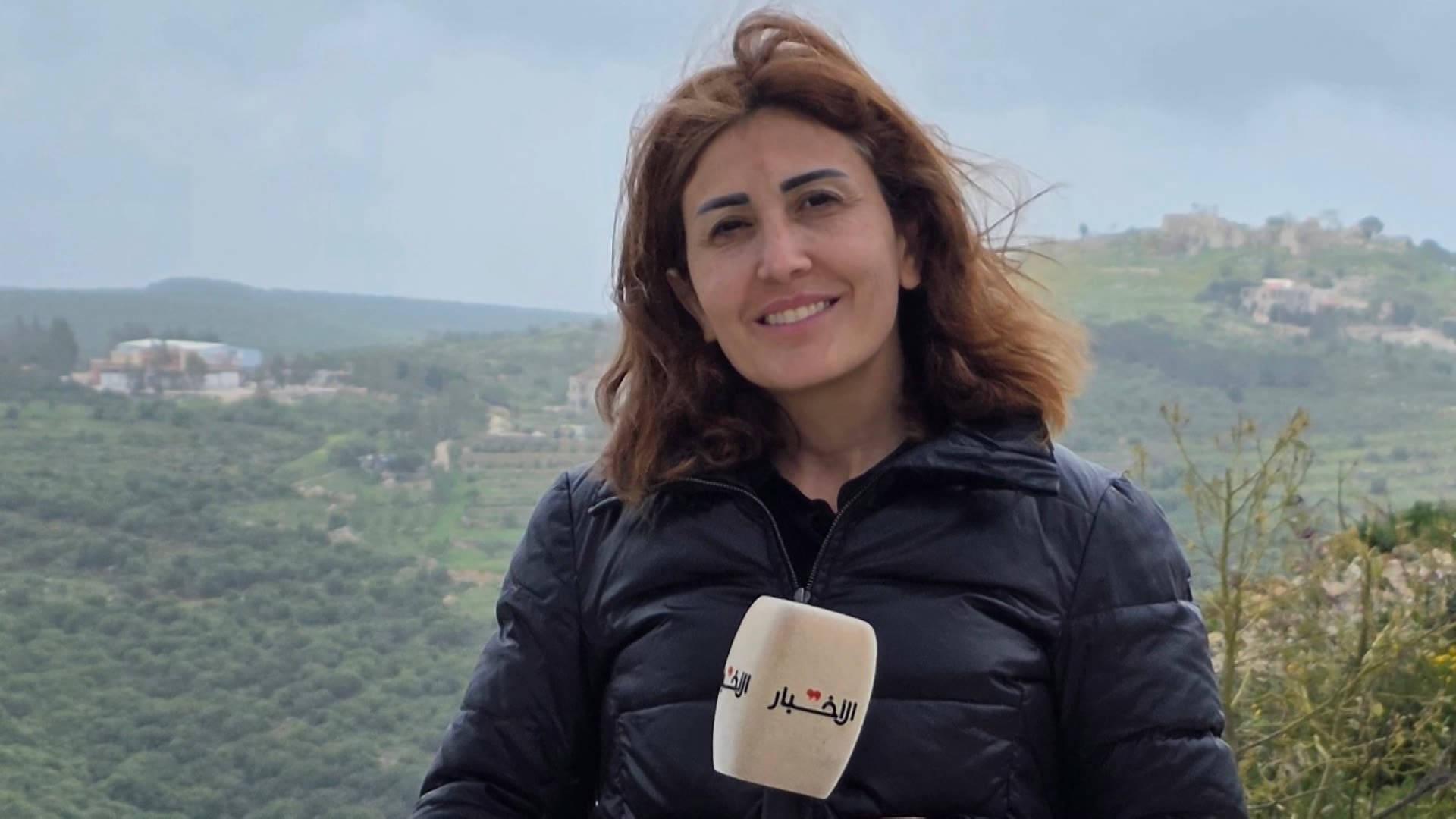
El País also said these figures add to “another 264 professionals who have died while performing their work in the context of the wars in Gaza and Iran since October 7, 2023,” and it reported that “260 of these deaths have been caused by Israel.”
It further said the tally includes “31 journalists killed in Yemen, 15 in Lebanon and four in Iran in the last two and a half years,” and it reported that the Lebanese Syndicate of Press Editors put the number of reporters killed in Lebanon since October 2023 at 27.
Al Jazeera’s CPJ statement referenced “Israel’s 262 killings of journalists across the region,” and it called for an urgent investigation and accountability.
El País also described other named cases in Gaza and the region, including Anas Al Sharif, an Al Jazeera reporter killed in August 2025 in an Israeli attack on the journalists’ tent at the gates of Al Shifa hospital, in Gaza City.
It added that in the same month five other journalists died in a bombing of Nasser hospital in Jan Yunis, south of the Strip, after a second detonation occurred that was broadcast live by several televisions.
More on Gaza Genocide
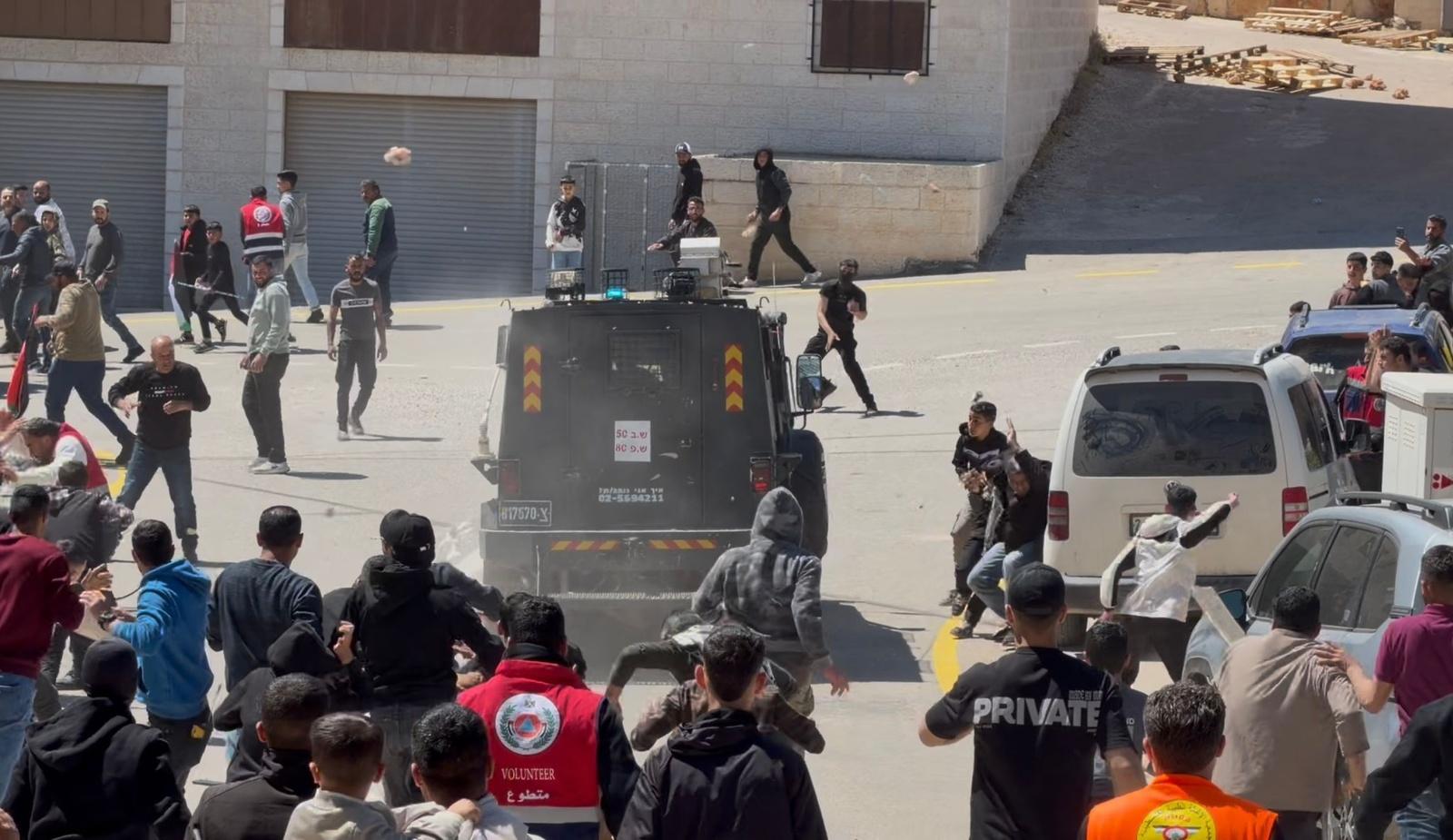
Israeli Forces Fire Tear Gas at Funeral in Al-Mughayyir, East of Ramallah
10 sources compared
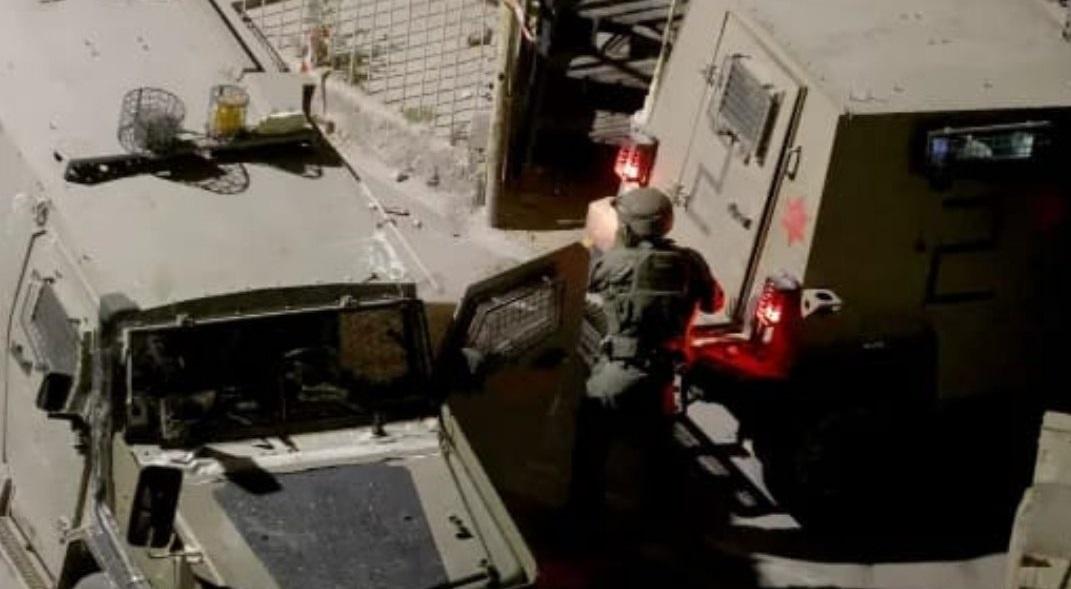
Israeli Forces Kill 15-Year-Old Palestinian Teenager in Nablus West Bank Raid
13 sources compared
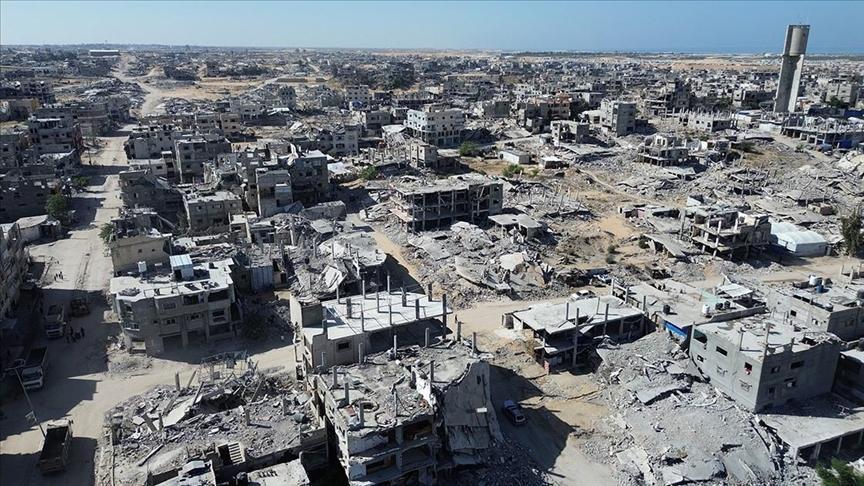
Israeli Drone Strike Kills Five Palestinians, Including Three Children, Near Beit Lahia Mosque
11 sources compared
Israeli Prosecutors Charge Sagi Haik and Asaf Shitrit With Espionage for Iran
14 sources compared