
Israel Kills Seven in Lebanon as Israel-Lebanon Ceasefire Extended 45 Days in Washington
Key Takeaways
- Ceasefire extended by 45 days after Washington talks brokered by the United States.
- Washington talks produced framework for lasting peace and recognition of sovereignty and territorial integrity.
- Violence and ceasefire violations persisted in Lebanon amid the extension.
Ceasefire extended, talks continue
Israel and Lebanon agreed to extend their ceasefire by 45 days after two days of talks in Washington, with the US State Department announcing the extension on Friday.
“Israel and Lebanon have agreed to extend a ceasefire that was due to expire on Sunday by 45 days, the US said, after direct talks in Washington DC concluded, despite ongoing Israeli attacks and ceasefire violations in Lebanon”
US State Department spokesman Tommy Pigott described the discussions as “highly productive” and said political negotiations would resume on June 2 and 3.
The agreement was set against continuing violence, with Israeli strikes hitting multiple areas in southern Lebanon within hours of the extension being announced and Hezbollah launching new drone and rocket attacks targeting Israeli military positions.
Lebanon’s delegation said the extension would provide “critical breathing room” for civilians and create space for discussions aimed at achieving “lasting stability,” while Lebanese Prime Minister Nawaf Salam criticised Hezbollah indirectly, saying Lebanon had suffered enough from “reckless adventures serving foreign projects or interests”.
The Times of India also reported that a separate “security track” involving military officials from both countries is set to begin at the Pentagon on May 29.
Reactions amid ongoing strikes
Even as diplomats pushed for a broader settlement, the ceasefire extension did not stop attacks, with the Times of India reporting an Israeli strike on a Hezbollah-linked health centre in Hanuf that killed six people, including three paramedics.
In the same reporting, the Israeli military claimed it had killed more than 220 Hezbollah fighters over the past week and confirmed another Israeli soldier had been killed in southern Lebanon, bringing the number of Israeli troops killed since early March to 19.
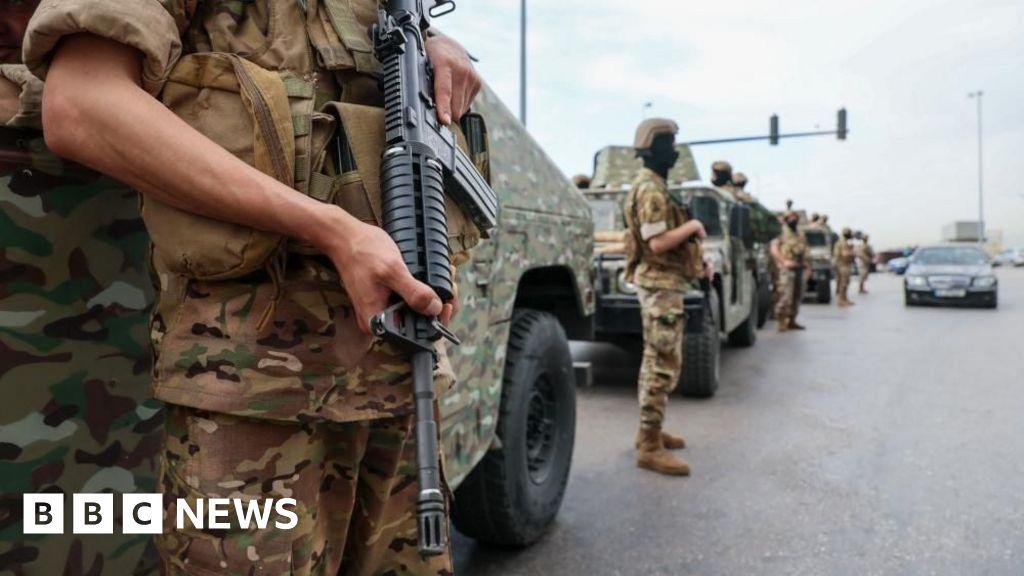
The BBC framed the truce as “shaky,” saying it was due to end on Sunday and quoting Tommy Pigott: “We hope these discussions will advance lasting peace between the two countries, full recognition of each other’s sovereignty and territorial integrity, and establishing genuine security along their shared border.”
The BBC also reported that Lebanon’s Prime Minister Nawaf Salam said he hoped to “mobilise all Arab and international support to bolster our position in the negotiations” with Israel.
The Guardian added that Israel issued evacuation orders for the southern city of Tyre while it said it was hitting Hezbollah infrastructure, and it reported that Lebanon’s health ministry said the strikes in the Tyre district wounded at least 37 people, including six hospital personnel.
What’s at stake next
The extension is tied to parallel negotiation tracks, with the US State Department saying it would reconvene the political track on June 2 and 3 and launch a separate security track at the Pentagon on May 29.
“Israel and Lebanon have agreed to a 45-day extension of their ceasefire after another round of talks in Washington, the U”
The Guardian reported that Israel’s ambassador to Washington, Yechiel Leiter, said on X, “There will be ups and downs, but the potential for success is great,” while stressing that Israel’s security remained critical.
Lebanon’s position in the talks was described by the Times of India as focused on achieving “lasting stability,” while it also said Lebanon’s delegation criticised Hezbollah indirectly through Nawaf Salam’s remarks about “reckless adventures serving foreign projects or interests”.
The Times of India warned that the humanitarian situation remained “deeply alarming,” quoting the United Nations humanitarian coordinator for Lebanon, Imran Riza, as saying the daily airstrikes and civilian casualties continued.
The Guardian further linked the stakes to oversight and accountability, noting that the US steadfastly backs Israel while also voicing unease about Israeli troops’ control of southern Lebanon, and it described the truce as being due to end on Sunday before the 45-day extension.
More on Lebanon
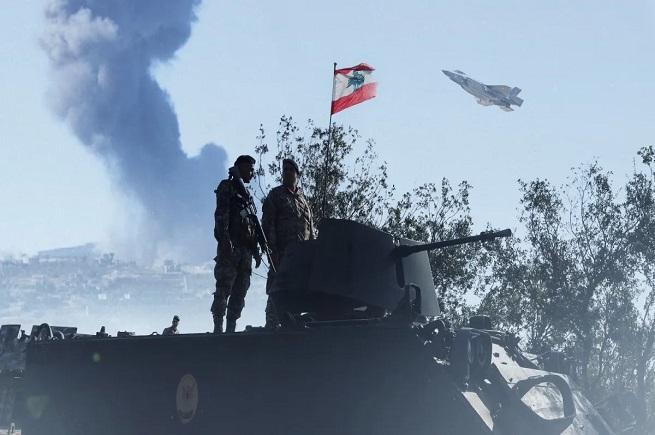
Israeli Air Strike Kills Six in Harouf as Israel and Lebanon Extend Ceasefire
11 sources compared
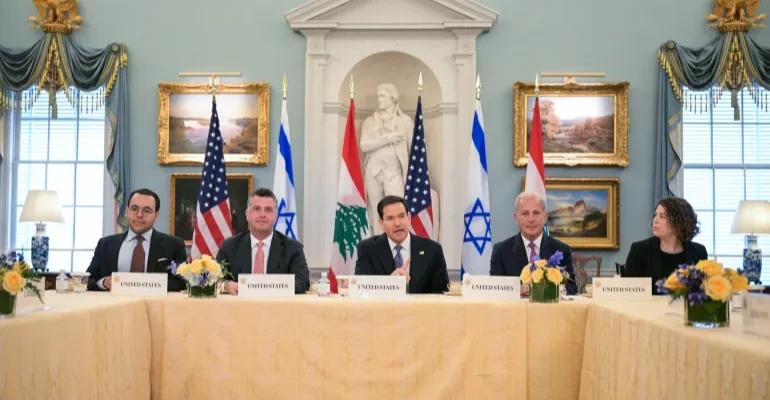
Israel Kills Seven In Lebanon As US Brokers 45-Day Ceasefire Extension
38 sources compared
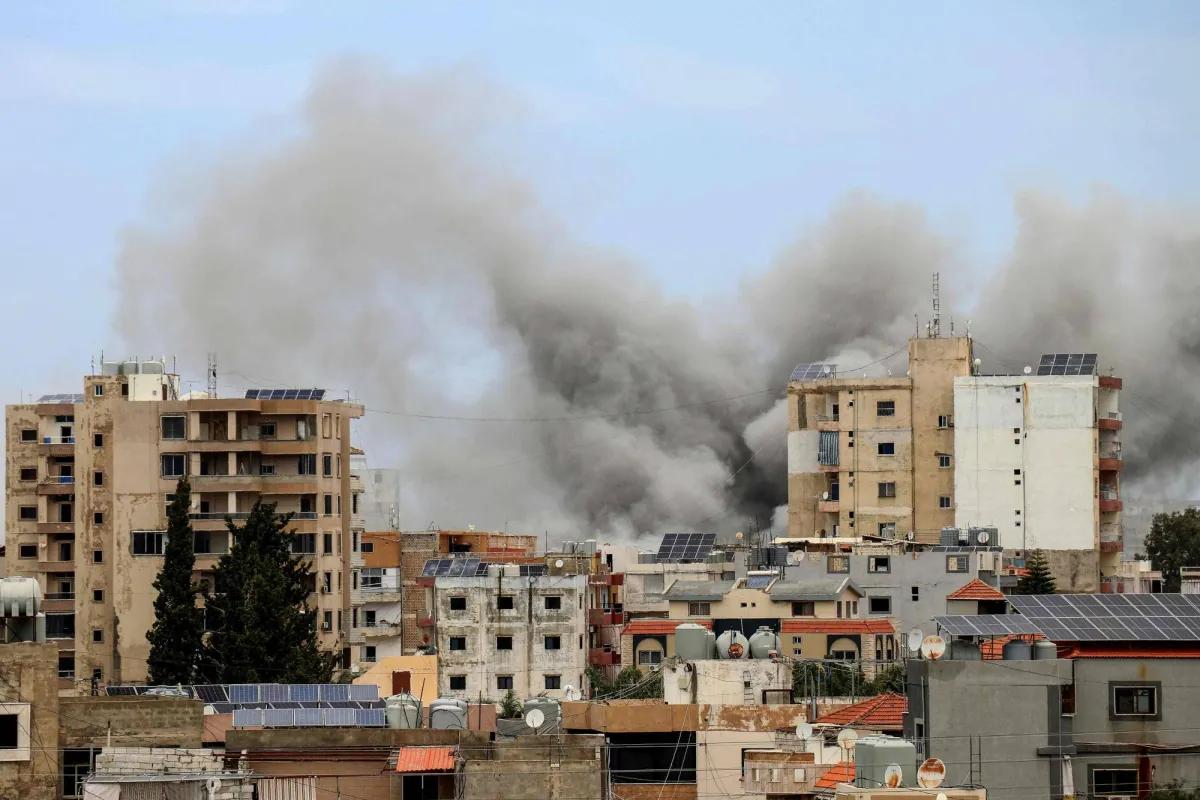
Israel And Lebanon Agree 45-Day Ceasefire Extension After Trump Declares April 16
11 sources compared
Israel Kills Seven In Lebanon As Israel-Lebanon Ceasefire Extension Reaches 45 Days
16 sources compared