
Israel Launches Broad Wave of Strikes on Iran's Infrastructure
Key Takeaways
- Israel conducted widespread strikes on Iranian infrastructure and inside Iranian territory
- Iran retaliated against U.S. military assets across the region
- Conflict widened across the Middle East, killing thousands and disrupting energy and financial markets
Coordinated strikes escalate
The conflict has escalated into coordinated strikes on Iran involving both the United States and Israel, signaling a broader regional war.
“Nearly two weeks after the United States and Israel launched coordinated strikes on Iran, thewar is widening across the Middle East, drawing neighbouring states into the fight- ing, rattling global energy markets and exposing deep fractures in the international system”
Nearly two weeks after coordinated U.S.-Israeli strikes, reporting described the war as "widening across the Middle East, drawing neighbouring states into the fighting," with Israel and the United States conducting operations that have hit Iranian territory and assets, and "Israeli air strikes have continued inside Iran while Tehran has retaliated against US military assets across the region."
The U.S. Central Command described U.S. military activity as "24/7 strikes into Iran from seabed to space and cyberspace," underscoring a high tempo of operations across domains and partners.
Multiple fronts and displacement
The fighting has opened multiple fronts and intensified cross-border threats, displacing civilians and prompting evacuation warnings.
The Mail & Guardian reported that "Hezbollah has intensified attacks on Israel from southern Lebanon, opening another front that has displaced hundreds of thousands of civilians," while the New York Times noted that "The Israeli military has issued an evacuation warning for the residents of 13 villages in Lebanon," and earlier had warned residents of 16 towns and villages in southern Lebanon.

Those developments reflect a widening geographic footprint from Gulf waters to Israel’s northern frontier.
Responses and diplomacy
Governments and international bodies have reacted with evacuations, defensive deployments, and diplomatic measures as the crisis deepens.
“The leaders of Iran, Israel and the US all voiced defiance and vowed to fight on as the Middle East war approached the two-week mark on Friday, killing thousands of people, disrupting the lives of millions of others and shaking financial markets”
The New York Times reported that "The State Department said late Tuesday that nonemergency U.S. government employees and the families of U.S. government employees have been authorized to leave Cyprus because of safety risks," and that "The United States governmenthas urged Americans to leave the Middle Eastas the conflict worsens."
Britain announced reinforcements to Cyprus, with Prime Minister Keir Starmer saying his government was "deploying a warship and helicopters with antidrone capabilities to help defend Cyprus."
The Mail & Guardian noted the widening diplomatic consequences, including action in the United Nations Security Council where a resolution condemning Iran’s attacks passed with 13 votes while Russia and China abstained.
Market and maritime impact
The widening conflict is already affecting global markets, maritime security, and regional infrastructure, with consequences for energy routes and commercial shipping.
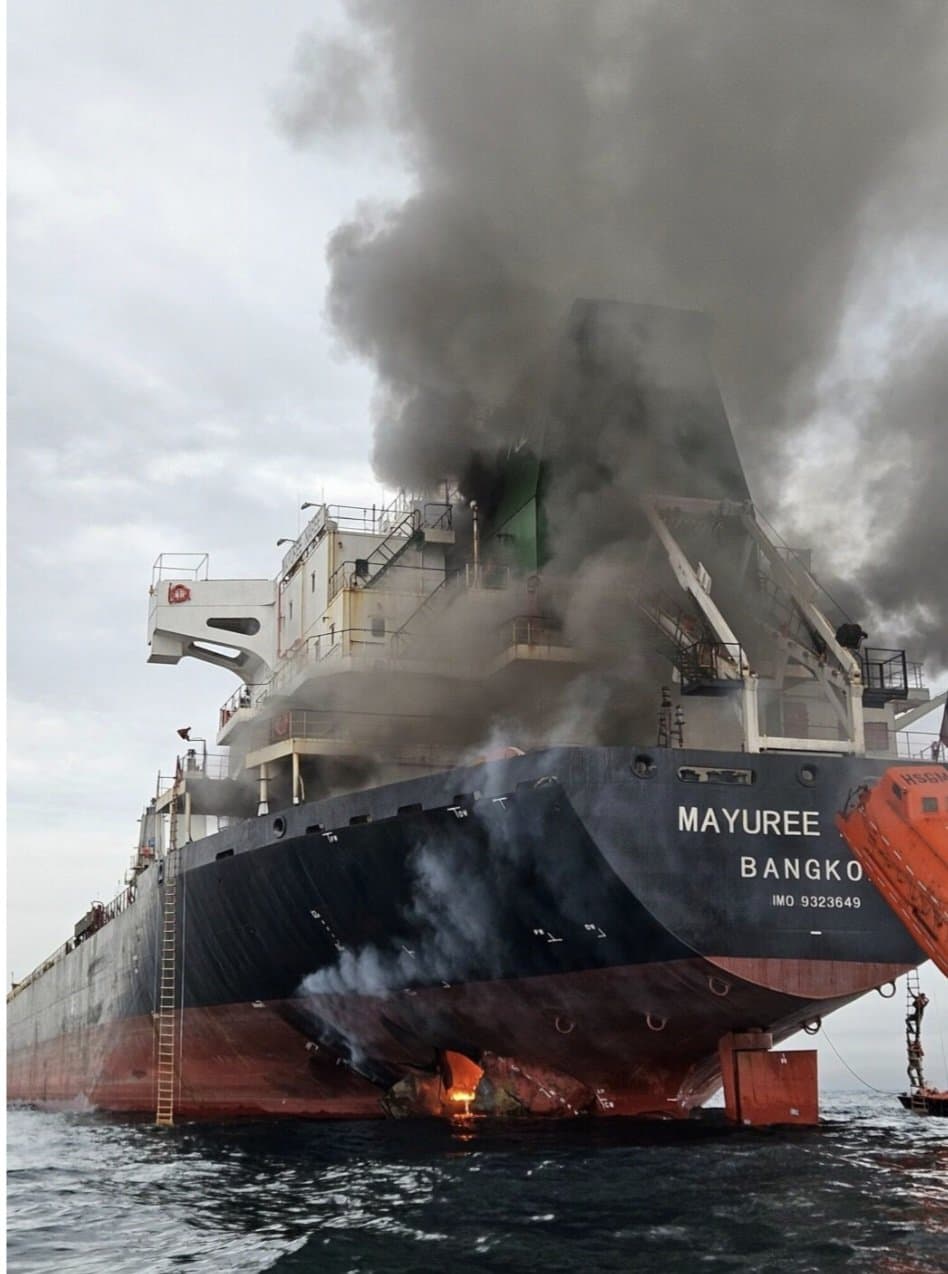
The Mail & Guardian warned that "attacks on shipping in Iraqi waters have further heightened fears that maritime energy routes could become direct targets as the conflict deepens" and that "any sustained disruption to tanker traffic in the Gulf would tighten global supply and place additional pressure on already volatile energy markets."
The New York Times reported that "The tumult in global markets continued for a third day as investors in Asia, worried that an escalating war would keep driving up energy costs, dumped stocks," and noted local security incidents such as an "Iranian-made drone crashed into a British military base" in Cyprus that helped prompt heightened alerts.
More on Iran
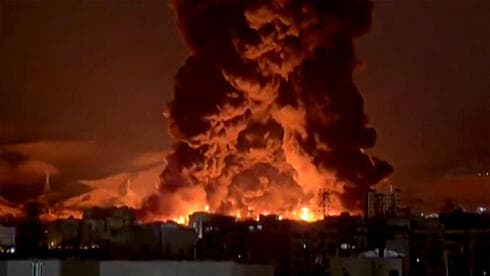
Trump Says U.S. Bombed Military Sites on Kharg Island, Iran's Oil Hub
14 sources compared
FBI Warns of Iranian Drone Plot Based on Unverified Tip; California Says No Credible Threat
10 sources compared

White House Demands ABC Retract Report Claiming Iran Sought To Launch Drone Attacks On California
11 sources compared

Iranian Proxy Claims It Shot Down US Refueling Plane in Iraq; US Military Says Otherwise
17 sources compared