Israel Negotiates With the United States To Keep Troops South of the Litani River
Key Takeaways
- Israel negotiates with the US to keep troops south of the Litani.
- Trump's proposal for Syria to confront Hezbollah rejected by Lebanon.
- Lebanese officials insist Hezbollah disarmament is Lebanese state's responsibility.
US-Iran deal clouds Lebanon
Lebanon’s future is being shaped by the U.S.-Iran provisional ceasefire framework, with the U.S. and Iran aiming to wind down hostilities across several fronts “including in Lebanon,” while Israeli Prime Minister Benjamin Netanyahu has said Israel will occupy Lebanon “indefinitely.”
The Morning Call reports that Israel has taken control of swaths of Gaza, Lebanon and Syria since 2023, and says Israel now holds 234 square miles in Lebanon while evacuation warnings have forced about 1.2 million Lebanese to flee.

The Media Line says Israel is negotiating with the United States to keep its forces in southern Lebanon, with two Israeli officials telling Reuters that Israel is seeking US approval to maintain troops south of the Litani River.
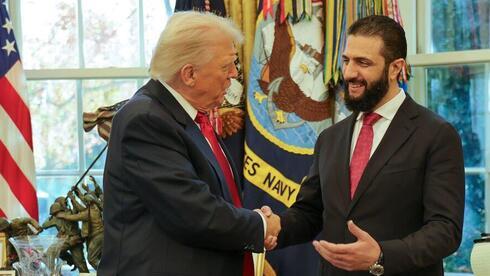
In parallel, The Media Line quotes President Donald Trump at the G7 summit in Évian-les-Bains, France, saying, “We have a little dispute over Lebanon. I say, you can do a little softer touch, Bibi.”
Beirut rejects Syrian role
Lebanese Justice Minister Adel Nassar rejected U.S. President Donald Trump’s proposal that Syria should “take care of Hezbollah” in Lebanon, telling CNN that disarming the Iran-backed group is the “responsibility of the Lebanese state, not foreign forces.”
Arab News reports Deputy Prime Minister Tarek Mitri said Lebanon received assurances from Syria that it will not interfere in Lebanese affairs, adding, “The Syrian authorities have clearly and repeatedly assured us that they do not intend to interfere in Lebanon’s internal affairs.”

In the same CNN interview coverage, Nassar said, “Lebanon has suffered for years from external interference,” and argued that if Hezbollah acts as an Iranian proxy it is because of “Iran’s interference in Lebanon’s internal affairs.”
The Morning Call adds that Hezbollah has condemned Israel’s presence inside Lebanon and that the Lebanese government has called for Israel to withdraw, as Israel frames its holdings as “buffer zones.”
What’s at stake next
The Morning Call says Israel launched a ground invasion into Lebanon after missile and drone attacks by Hezbollah, and when fighting was halted in April, Israel said the military would occupy an area up to 6 miles deep.
It also reports that Israel has warned civilians against returning and that troops have demolished towns and neighborhoods, creating large, depopulated zones, while the “buffer zones” are described as not new borders requiring an agreement between two countries.
The Media Line frames the immediate diplomatic test as whether Washington’s Iran deal can restrain allies as well as adversaries, noting that Israel says its positions in southern Lebanon are needed as a buffer against Hezbollah.
In Beirut’s view of the next steps, CNN Arabic reports Nassar calling for “the withdrawal of Israeli forces and the dismantling of Hezbollah's military infrastructure,” and saying Lebanon needs “supporting our national army” as a priority.
More on Lebanon

Israeli Airstrikes Hit Southern Lebanon After Hezbollah Drone Explosion Injures Israeli Soldiers
20 sources compared

Israel Kills Alexander Filin in Southern Lebanon After U.S.-Iran Deal Signing
62 sources compared

Hezbollah Chief Naim Qassem Says Lebanon-Israel Talks Must Be Limited to Mutual Security
14 sources compared
Israeli Drone Strikes Kill At Least Four In Meifdoun And Choukine, Nabatieh
11 sources compared