
Israel Restricts Cooking Gas, Leaving 1.6 Million People in Gaza Facing Acute Food Insecurity
Key Takeaways
- Israel restricts cooking gas to Gaza, deepening supply shortages.
- Aid imports to Gaza are scarce; UN agencies call for massive entry.
- Humanitarian crisis in Gaza worsens as supplies are restricted and aid scarce.
Gas shortages deepen
Residents of the Gaza Strip are suffering from a severe cooking-gas crisis, which Sky News Arabia links to Israeli restrictions on the quantities supplied to the enclave and to rising prices tied to the Gaza and Iran wars.
“The suffering of Gaza Strip residents deepens as the cooking gas crisis continues and humanitarian aid imports remain scarce, amid ongoing violations of the humanitarian provisions accompanying the ceasefire agreement announced since October 2025, which has forced thousands of displaced families to turn to burning cloth, plastic, and waste to prepare food inside the camps”
The La Presse de Tunisie report says Philippe Lazzarini warned on Friday that 1.6 million people in Gaza are suffering from high levels of acute food insecurity and stressed the need to authorize the massive entry of supplies.

La Presse de Tunisie adds that UNRWA has food parcels for 1.1 million people and flour for the entire population of the Gaza Strip, while the Integrated Food Security Phase Classification (IPC) framework found that only the most basic survival needs are currently met.
It also reports that Al-Dameer Foundation for Human Rights said that since the ceasefire took effect and up to December 6, 2025, only 104 cooking gas trucks have been allowed to enter the Gaza Strip.
Al Jazeera Net describes displaced families in the Al-Zaytoun neighborhood, east of Gaza City, turning to burning cloth, plastic, and waste because cooking gas is restricted “drip by drip,” even as humanitarian aid imports remain scarce.
How people cook now
Al Jazeera Mubasher correspondent Abdullah Abu Kamal said residents have tried to seek alternatives by using firewood, but its prices have risen sharply with the price per kilo exceeding $3.
The report says one displaced man named 'Abu Bilal' told Al Jazeera that his family has not received cooking gas for about two months and that “We go out to the street and search for a scrap of wood or a bit of nylon to get by,”.
Al Jazeera Net reports that preparing a single meal requires 3 or 4 kilograms of firewood, costing around 30 to 40 shekels per day (about 10–13 dollars), and that searching for wood has become risky near the eastern border areas.
It also says the correspondent warned of serious health consequences from inhaling toxic fumes released by burning plastic and cloth inside the tents, especially as the health system deteriorates.
In parallel, Sky News Arabia frames the crisis as worsening in Gaza due to Israeli restrictions on quantities supplied and rising prices caused by the Gaza and Iran wars.
Humanitarian and political stakes
La Presse de Tunisie says the IPC report indicates that infrastructure and essential services, such as health care, water treatment and sanitation, remain insufficient to support the entire population, a large portion of whom still live in temporary shelters.
“Philippe Lazzarini, the Commissioner-General of the United Nations Relief and Works Agency for Palestine Refugees (UNRWA), warned on Friday that 1”
It adds that Al-Dameer Foundation for Human Rights highlighted the direct consequences of the cooking gas shortage on residents' right to a dignified life, health, and food, while noting the restriction on cooking gas truck entry.
Al Jazeera Net reports that the continued shortage of fuel and cooking gas, along with disrupted work and a lack of income sources, worsens the humanitarian situation in the sector where families cannot provide the minimum daily necessities even after more than six months since the ceasefire declaration.
Chronique de Palestine argues that energy is central to Israel’s campaign and says that on March 17, 2025, Israel launched air strikes against five municipalities in Gaza without warning, with “More than 400 Palestinians were killed, including 100 children.”
Chronique de Palestine also calls for an energy embargo alongside an arms embargo and cites a UN special rapporteur, Francesca Albanese, saying “By supplying Israel with coal, gas, oil and fuel, companies contribute to civil infrastructure that Israel uses to consolidate its permanent annexation and destroy Palestinian life.”
More on Gaza Genocide
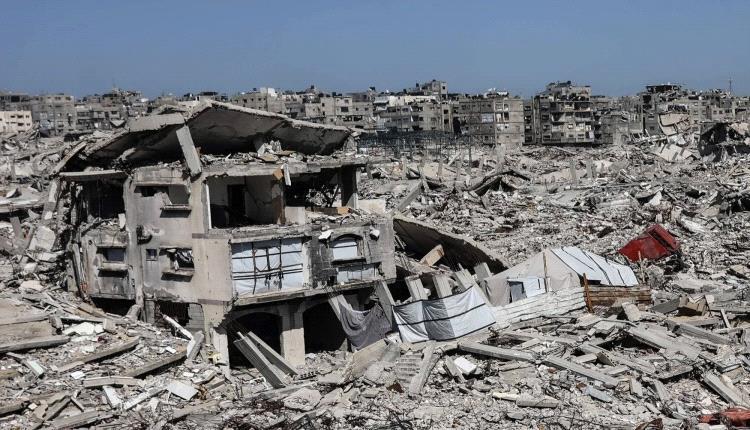
Israeli Airstrikes Kill Five in Gaza, Including a Child, as Ceasefire Erodes
17 sources compared
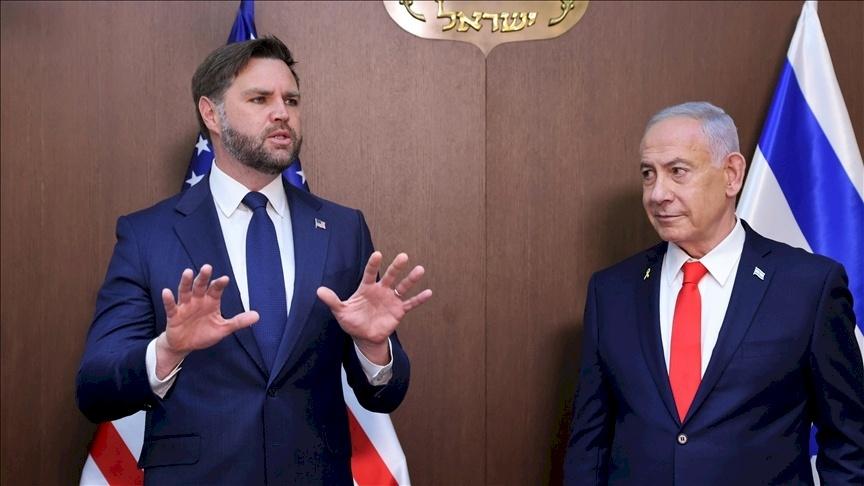
JD Vance Tells Israel to Stop Attacking Over US-Iran Memorandum of Understanding
14 sources compared
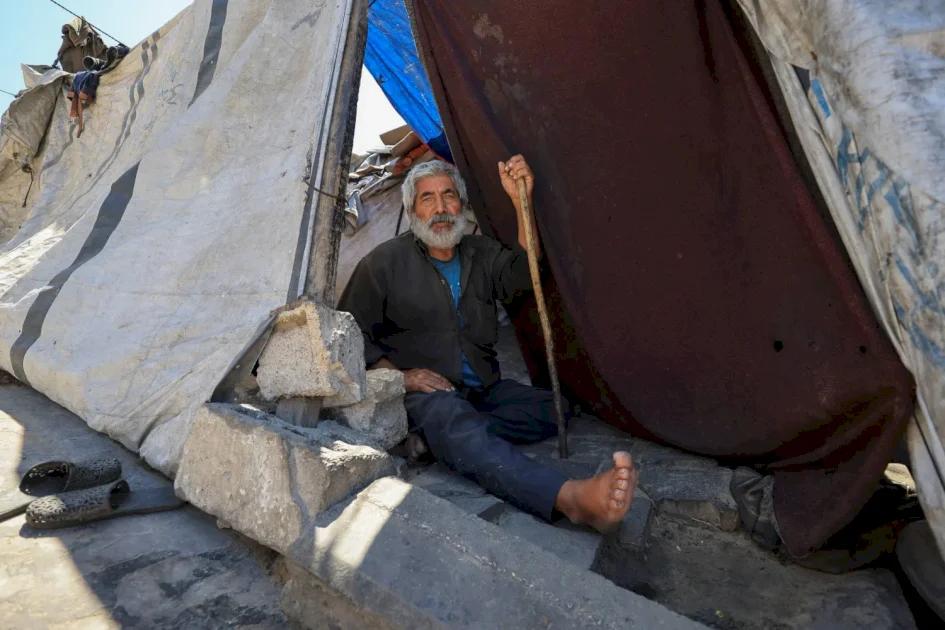
Palestine Embassy Urges India for $100 Million Medical Aid as Gaza Healthcare Collapses
27 sources compared
Hamas Meets in Cairo as Israel Prepares International Stabilization Force for Gaza
17 sources compared