
Israel Strikes Continue as Iran, Hezbollah, and Hamas Remain Degraded Under Conditional Ceasefires
Key Takeaways
- Iran and its allies Hezbollah and Hamas degraded but functioning; Israel continues strikes.
- Post-October 7 order sustained by conditional ceasefires and mutual threats.
- Three-week extension of Israel-Lebanon ceasefire announced; mediators engaged.
Ceasefires, threats, and Gaza
The post-Oct. 7 order in the Middle East is “barely pieced together by conditional ceasefires and mutual threats,” with Iran, Hezbollah in Lebanon, and Hamas in Gaza “degraded but functioning” while Israel “still regularly” launches strikes at both, according to the Associated Press.
“The post-October 7 order in the Middle East — such as it is — is barely pieced together by conditional ceasefires and mutual threats”
In Ramallah, the AP reports that “Millions of people are still displaced, and many fear the fighting could resume at any time,” even as “Major military operations have halted.”

The AP quotes Michael Ratney, a former U.S. ambassador to Saudi Arabia, saying, “Ceasefires ‘don’t fix anything — they just stop things from getting worse,’” and adds that it is “part of an answer to an immediate political problem, which is (Trump) needs to get out of war and can’t figure out how do that.”
The same AP reporting frames the underlying grievances as long-standing, noting they “long predate Hamas’ Oct. 7, 2023, attack” and “have not been addressed.”
In parallel, the BBC’s Anthony Zurcher describes how the U.S.-Israel war with Iran has produced “increasingly contradictory statements” from Donald Trump and his administration, including Trump saying the war was “almost over, completely. We’re well ahead of schedule.”
The BBC also reports Trump later said, “We can say we’ve made astonishing progress now, and we can go further, and we will,” while warning Washington would intensify strikes if Iran continued to threaten the Gulf’s oil tankers.
Hormuz and the blockade
The AP links the Middle East ceasefire landscape to a separate, escalating standoff over the Strait of Hormuz, saying the two countries are “locked in an escalating standoff” even though “Major military operations have halted.”
It reports that for weeks Trump has “vacillated between threats to unleash major attacks on Iran’s infrastructure” and attempts to negotiate over Iran’s nuclear program, and that “This week he extended a ceasefire but said he would maintain a U.S. naval blockade on Iranian ports.”

On Wednesday, the AP says Trump “vowed to attack Iranian fast boats in the Strait of Hormuz,” which it describes as “effectively choked off” by Tehran “since the start of the war,” sparking “a worldwide energy crisis.”
Iran, in the AP account, “has given no public indication it is willing to make concessions” on its nuclear program, ballistic missiles, or support for regional proxies, and says the strait “will remain closed until the U.S. lifts its blockade and Israel halts attacks on Iran-backed groups like Hezbollah.”
The Guardian adds that Trump canceled a planned envoy trip to Pakistan, but also describes U.S. efforts to clear mines in the strait, saying the U.S. Navy is “clearing Iranian mines from the Strait of Hormuz.”
The Guardian quotes Emma Salisbury saying, “There’s only so much the US can do to give that confidence back to commercial shipping,” and reports that sweeping for underwater explosives could take “months despite a tenuous ceasefire between the US and Iran.”
In the Guardian’s account, Iran’s Revolutionary Guards insist they had “no intention of lifting their blockade,” and the Guards say, “Controlling the Strait of Hormuz and maintaining the shadow of its deterrent effects over America and the White House’s supporters in the region is the definitive strategy of Islamic Iran.”
Lebanon truce and strikes
While Gaza’s ceasefire is referenced as part of the broader pattern, the AP devotes substantial detail to Lebanon, describing “A truce in Lebanon agreed to last week” that “has largely held outside of the border area, where fighting continues.”
“Trump announces three-week extension to Israel-Lebanon ceasefire US President Donald Trump has announced a three-week extension to the ceasefire between Israel and Lebanon after talks at the White House with Israeli and Lebanese envoys”
It says Israel has indicated it plans to “occupy a swath of southern Lebanon indefinitely,” while Hezbollah “is demanding that Israel withdraw,” and notes Hezbollah “is not an official party to the truce.”
The AP reports that Trump announced a “three-week extension of the truce on Thursday” after a meeting between Israeli and Lebanese officials at the White House, and that “The U.S. and Israel have demanded that Lebanon’s government assume responsibility for disarming Hezbollah.”
It adds that Beirut tried to enact part of a plan before the latest fighting, but “Lebanese leaders acknowledged their limited capacity,” and that Hezbollah “retained the ability to fire thousands of missiles and drones toward northern Israel over the past two months.”
The AP also describes Israeli tactics in southern Lebanon, saying Israeli forces have drawn a “yellow line” by “demolishing homes that Israel claims were used by Hezbollah,” “preventing people from returning,” and “announcing strikes on people it says are militants attempting to cross it.”
The Guardian’s reporting reinforces the ongoing violence around the truce, stating that Israeli prime minister Benjamin Netanyahu ordered his military to “vigorously attack Hezbollah targets in Lebanon” despite a ceasefire Trump said had been extended by three weeks.
CNN further describes the operational reality, saying “Israeli troops and Hezbollah fighters continued to target each other throughout Friday,” and that Hezbollah said its rocket attack was “in response” to Israel’s destruction of homes in southern Lebanon, which Hezbollah called a “violation of the ceasefire.”
Diplomacy stalls in Pakistan
The diplomatic thread running through the war is the effort to restart talks between Washington and Tehran, which multiple outlets describe as stalling or collapsing.
The Guardian reports that Donald Trump confirmed the cancellation of his plan to send U.S. envoys for ceasefire talks in Pakistan, writing on Truth Social, “I just cancelled the trip of my representatives going is Islamabad, Pakistan, to meet with the Iranians.”
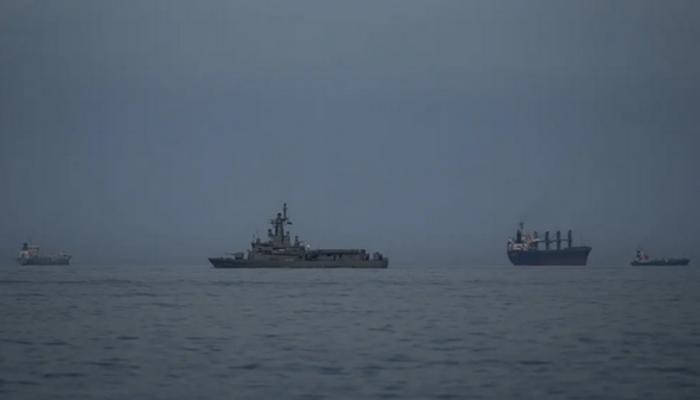
The Guardian says the Iranian foreign minister Abbas Araqchi “has left mediator Pakistan empty-handed,” and that Trump canceled the planned visit to Islamabad by envoys Steve Witkoff and Jared Kushner.
It also describes Tehran’s position through Iranian president Masoud Pezeshkian, who told Pakistani prime minister Shehbaz Sharif by phone that Tehran would not enter “imposed negotiations” under threats or blockade, and said the U.S. should first remove “operational obstacles,” including its blockade on Iranian ports.
CNN adds that mixed messaging continues, saying the White House said envoys Steve Witkoff and Jared Kushner are traveling to Pakistan on Saturday, while Iran’s Foreign Ministry spokesperson Esmaeil Baghaei said on social media that “no meeting is planned.”
CNN also reports that the White House said Friday the envoys are headed to Pakistan “to participate in direct peace talks with Iran,” while Iran’s denial and “Semi-official state media in Iran” reported “there no negotiations with the Americans on the agenda.”
The Independent similarly describes Trump’s cancellation, quoting him: “I just cancelled the trip of my representatives going to Islamabad, Pakistan, to meet with the Iranians,” and adds that Trump said, “You're not making an 18-hour flight to go there, we have all the cards.”
In the Independent’s account, Iranian foreign minister Abbas Araghchi said he had discussed “the latest developments related to the ceasefire” and Tehran’s “views and considerations” in Pakistan, while Iran insisted “no direct talks with Washington were scheduled.”
Political cost and war aims
The BBC frames the war’s trajectory in terms of political cost and message discipline, describing how Trump and his administration issued “increasingly contradictory statements about the U.S.-Israel war with Iran.”
It reports that after a volatile day marked by “a drop in U.S. stock indices and rising oil prices,” Trump rushed to the press with remarks that “lacked clarity,” including saying, “I have a plan for everything, all right. There is nothing without a plan. You will be very happy.”

The BBC says Trump described the war as “almost over, completely. We’re well ahead of schedule,” and when asked about whether the military operation was nearing its end, Trump replied, “I don’t know; it depends on things. The whole termination process is in my head; I’m the only one who knows it.”
It also reports that Trump had said a few days earlier he would not halt the war until Iran offered an “unconditional surrender,” and then later said, “We can say we’ve made astonishing progress now, and we can go further, and we will.”
The BBC adds that Trump warned Washington would intensify strikes if Iran continued to threaten the Gulf’s oil tankers, and it describes a broader objective: “to ensure that Iran cannot develop weapons that could threaten the United States or Israel or any of America’s allies for a very long time.”
The BBC also notes that such a broad objective “might require regime change,” and that the BBC says Trump has “so far failed to accomplish” that, “especially after the election of Mojtaba Khamenei as Iran’s Supreme Leader following his father’s tenure.”
In the same BBC account, U.S. Secretary of Defense Pete Hegseth is quoted saying, “we have not yet begun this phase,” and that the next phase would involve using “more devastating weapons.”
More on Gaza Genocide
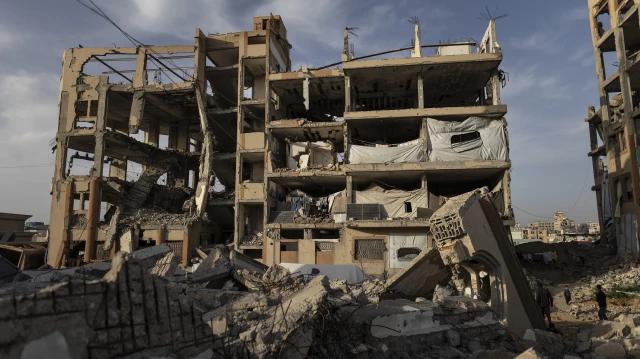
Israeli Attacks Kill At Least Four Palestinians in Gaza Despite Ceasefire
22 sources compared

Israel Prevents Essential Materials as Aid Trucks to Gaza Fall After Iran War
11 sources compared
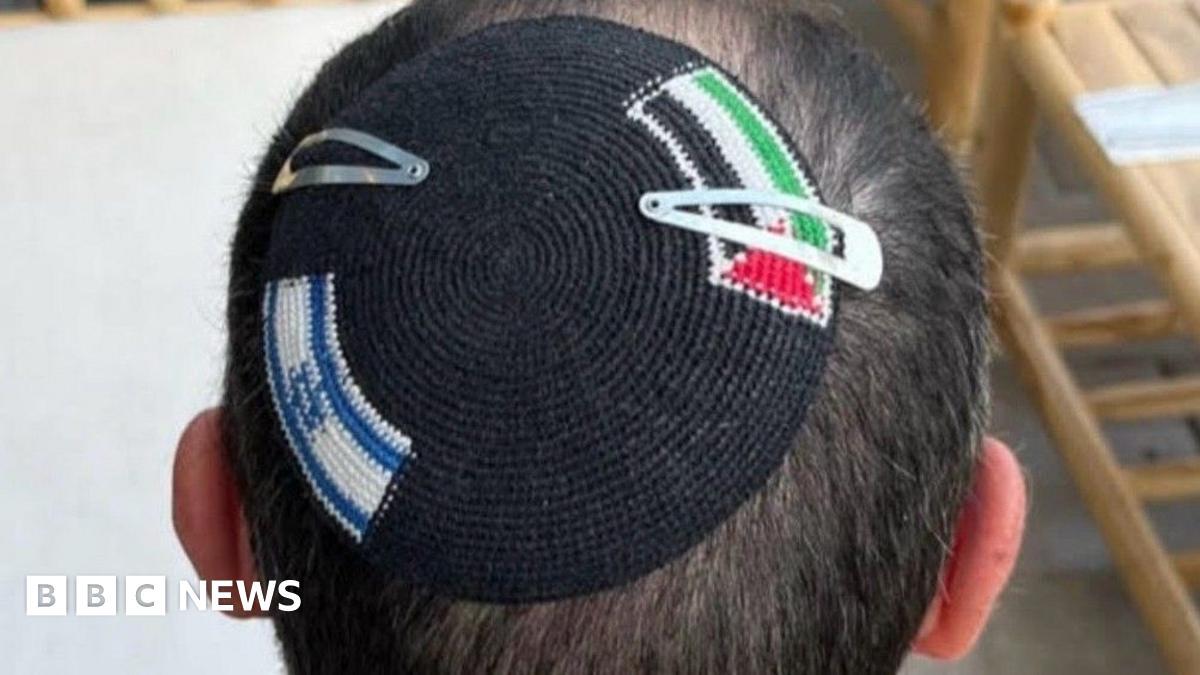
Israeli Police Detain Alex Sinclair, Cut Palestinian Flag From Kippah in Modi'in
11 sources compared
Benjamin Netanyahu Says He Received Successful Treatment for Early-Stage Prostate Cancer
52 sources compared