
Israel Strikes Iran as U.S.-Israeli War Drives Oil Above $100 a Barrel
Key Takeaways
- Oil prices stay above $100 per barrel amid ongoing U.S.-Israeli strikes on Iran.
- Strait of Hormuz paralyzed for over two weeks, disrupting energy routes.
- U.S.-Israeli strikes reduced Iran's missile and drone launches by 90%.
Oil Market Impact
The U.S.-Israeli war against Iran has driven oil prices above $100 per barrel as Tehran remains paralyzed despite relentless strikes from both nations.
“What to know as the U”
Defense Secretary Pete Hegseth reported that U.S.-Israeli strikes have successfully diminished Iran's missile and drone launches by 90%.
Iranian retaliatory attacks continue targeting both Israel and America's Gulf allies despite the reduced Iranian capacity.
Iran's top diplomat indicated no willingness to negotiate at present, suggesting the conflict could extend further.
The U.S. plans to deploy up to 5,000 additional forces to the region and potentially targets vital Iranian oil infrastructure.
Casualty Disparity
Casualty figures from the escalating conflict reveal significant asymmetry in the human cost.
Iran claims that U.S.-Israeli strikes have killed nearly 1,500 people.
Lebanese officials report that Israel's growing assault on Hezbollah has killed more than 800 people.
Iran's retaliatory strikes have resulted in 14 deaths in Israel and 40 additional casualties across the Middle East.
The disproportionate death toll reflects the asymmetric nature of the conflict, with Iranian and Lebanese populations bearing the brunt of casualties compared to Israeli and American personnel.
Lebanon Ground Invasion
Israel has launched a ground invasion into Lebanon, with Defense Minister Israel Katz announcing that forces had 'begun a ground maneuver in Lebanon.'
“What to know as the U”
Katz stated that hundreds of thousands of people forced to evacuate their homes across southern Lebanon 'will not return to their homes' until the threat from Hezbollah is removed.
The Israeli defense minister accused Hezbollah's leader Naim Qassem of 'hiding underground and turning over a million Shiites of his community into refugees in their own country,'
framing the military action as necessary for Israeli security despite the massive displacement caused by the offensive.
European Strategic Concerns
European allies are seeking strategic clarity from the U.S. and Israel regarding their plans for Iran and the conflict's potential endgame.
The EU is weighing whether to send ships to help secure the Persian Gulf as President Trump demands international assistance for the Strait of Hormuz.
Trump specifically called for China, France, Japan, South Korea, the UK, and others to send warships to join a potential effort to escort ships through the strait.
EU foreign policy chief Kaja Kallas indicated the bloc could expand its naval mission or form a 'coalition of the willing,'
while German Foreign Minister Johann Wadephul emphasized the need for 'more clarity' on U.S.-Israeli military objectives and timelines.
More on Iran
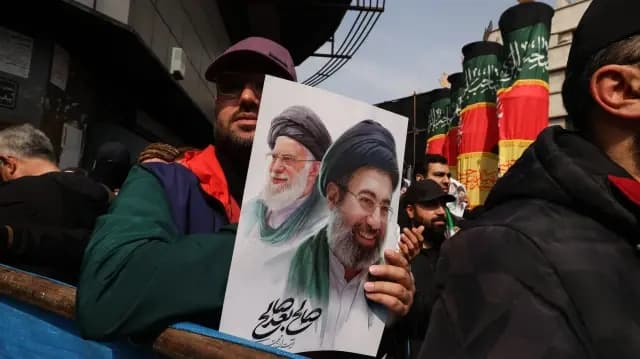
Russia Secretly Airlifts Iran's Supreme Leader Mojtaba Khamenei to Moscow for Surgery
11 sources compared
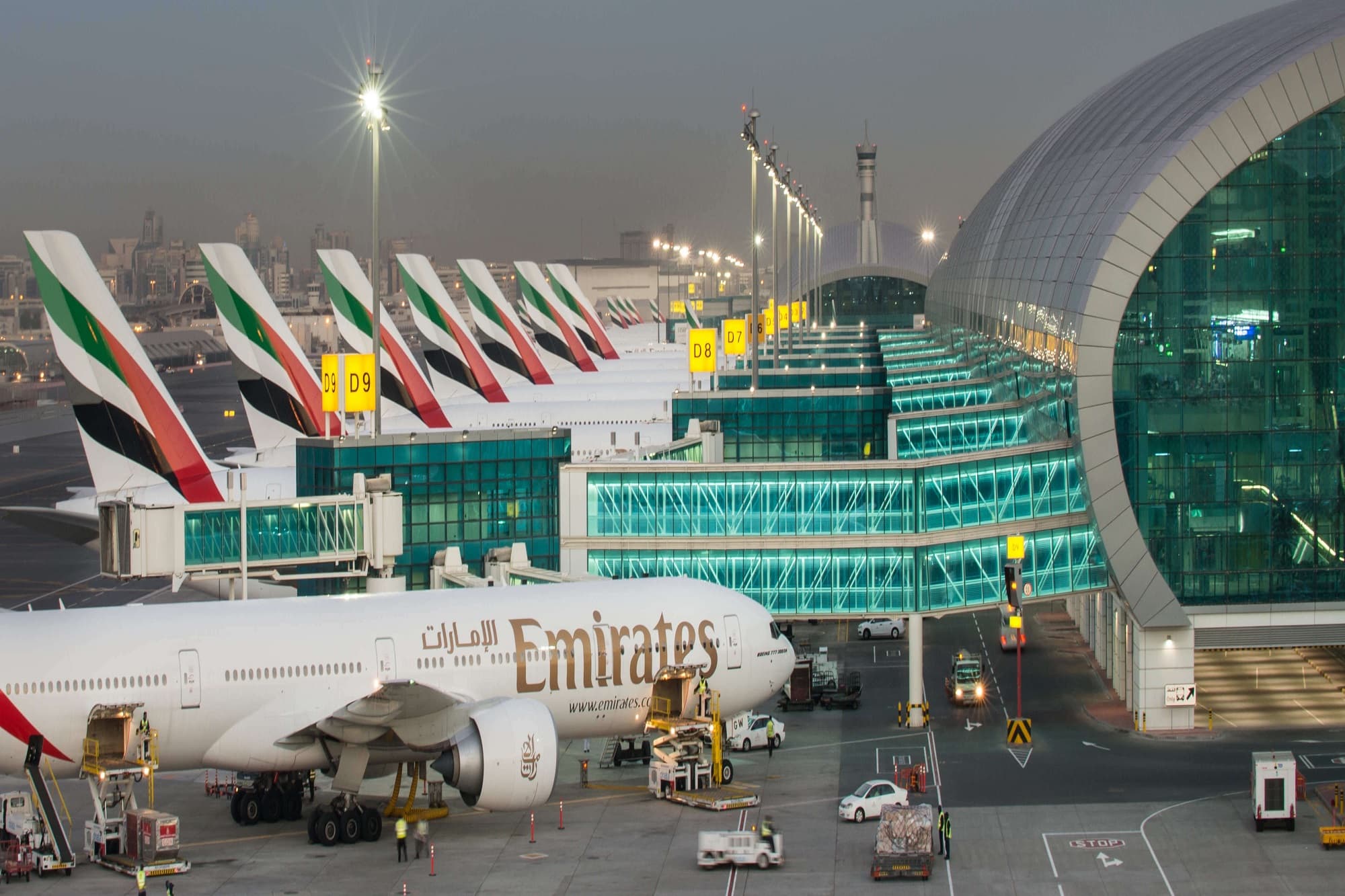
Iranian Drone Strike Shuts Dubai International Airport, Thousands Stranded
25 sources compared

Iran Drone Strike Shuts Dubai International Airport, Triggers Global Travel Disruption
16 sources compared

Iran's New Supreme Leader Mojtaba Khamenei Travels to Moscow for Leg Surgery
15 sources compared